






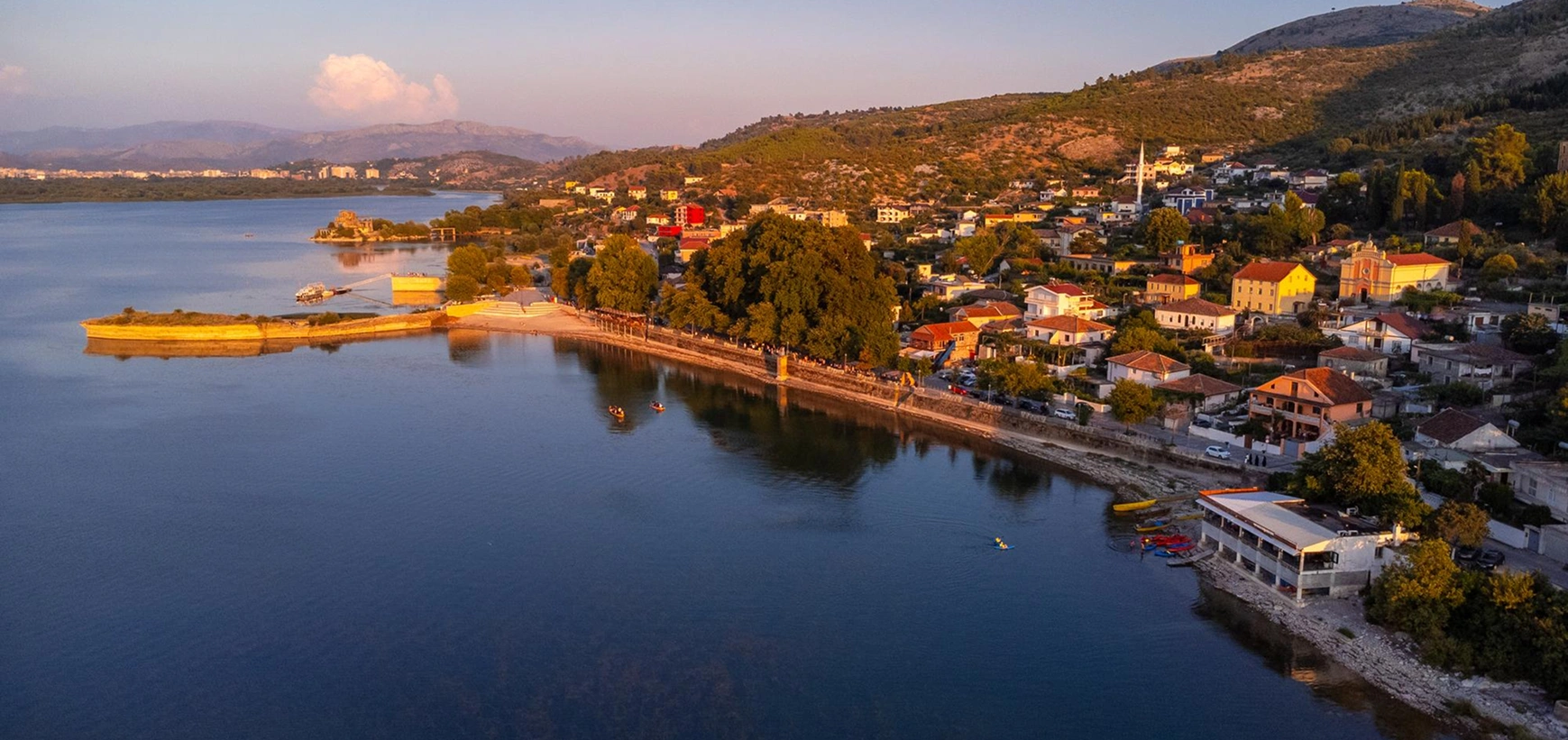
Thinking about traveling to Albania is a smart move. While everyone else flocks to Greece and Croatia, this Balkan stunner has been quietly busy perfecting the art of being Europe’s best-kept secret. Perched between the Adriatic and Ionian Seas, Albania boasts unspoiled beaches that rival the finest in the Mediterranean, UNESCO World Heritage towns that feel frozen in time, and mountain landscapes that are simply amazing,all without the crippling price tags or crushing tourist crowds.
From the moment you land, you’ll be amazed at why this place isn’t talked about more. The turquoise water of the Albanian Riviera looks Photoshopped. The ancient Ottoman towns feel like open-air museums where people actually live. And the best part? The food is fresh, delicious, and ridiculously cheap.
In 2026, visiting Albania means you’re ahead of the curve. Tourism numbers are rising (11.7 million visitors in 2024, a 15% jump), but the country hasn’t lost its authentic charm yet. Before Albania becomes the next Croatia, let’s explore what makes it one of the most happening destinations in the Balkans.
1. The Visa-Free Entry is Unbelievable
Let’s start with the logistics because Albania makes it incredibly easy. If you’re from the US, Canada, Australia, the UK, or the EU, you just show up,no visa required.
For US citizens, that’s a full year of visa-free entry. Honest to god, it’s that easy. Most other nationalities get 90 days within 180 days. Even better, unlike other countries that require a valid Schengen or US visa for entry, Albania doesn’t ask for extra paperwork. Have a Green Card? You’re in.
How simple is it? Your passport just needs to be valid for three months from your arrival date. No excessive paperwork, no waiting for approval, no stress. Just book a ticket and go. It is arguably one of the easiest European countries to visit.
2. The Albanian Riviera is Unreal
Picture this: turquoise water, dramatic mountain scenery, untouched shorelines, and very few people. This is the Albanian Riviera, a stunning 90-mile stretch from Vlorë to Sarandë along the Ionian Sea.
Ksamil has been dubbed the “Maldives of Europe” for a reason,sparkling white sandy beaches and bright blue waters with small islands just offshore you can swim to. It’s family-friendly and laid-back.
Dhermi offers a different vibe with long pebbly beaches hemmed in by dramatic mountains. It becomes party central in the summer thanks to beach clubs and music festivals like Kala Festival (which has hosted big names like Tiesto).
Compared to its European counterparts, the Riviera is far less crowded and framed by pristine shores and historical castles. It’s a rejuvenating experience for the soul.
3. Your Budget Will Stretch Further
You can travel happily in Albania on around $44 (€40) a day, covering hostel accommodation, local food, and transport. Mid-range travelers might spend about $107 (€95), while luxury seekers might drop $255 (€225),a sum that would feel like a budget trip in many Western European cities.
Here is how the math breaks down:
- Local Eatery: $6–10
- Mid-range Restaurant with Drinks: $18–25
- Local Beer: $2–4
- Coffee: $0.70–2.00
- Bus (Tirana to Sarandë): $15
- Mid-range Hotel Room: $50–75
- Museum Entrance: $3–7
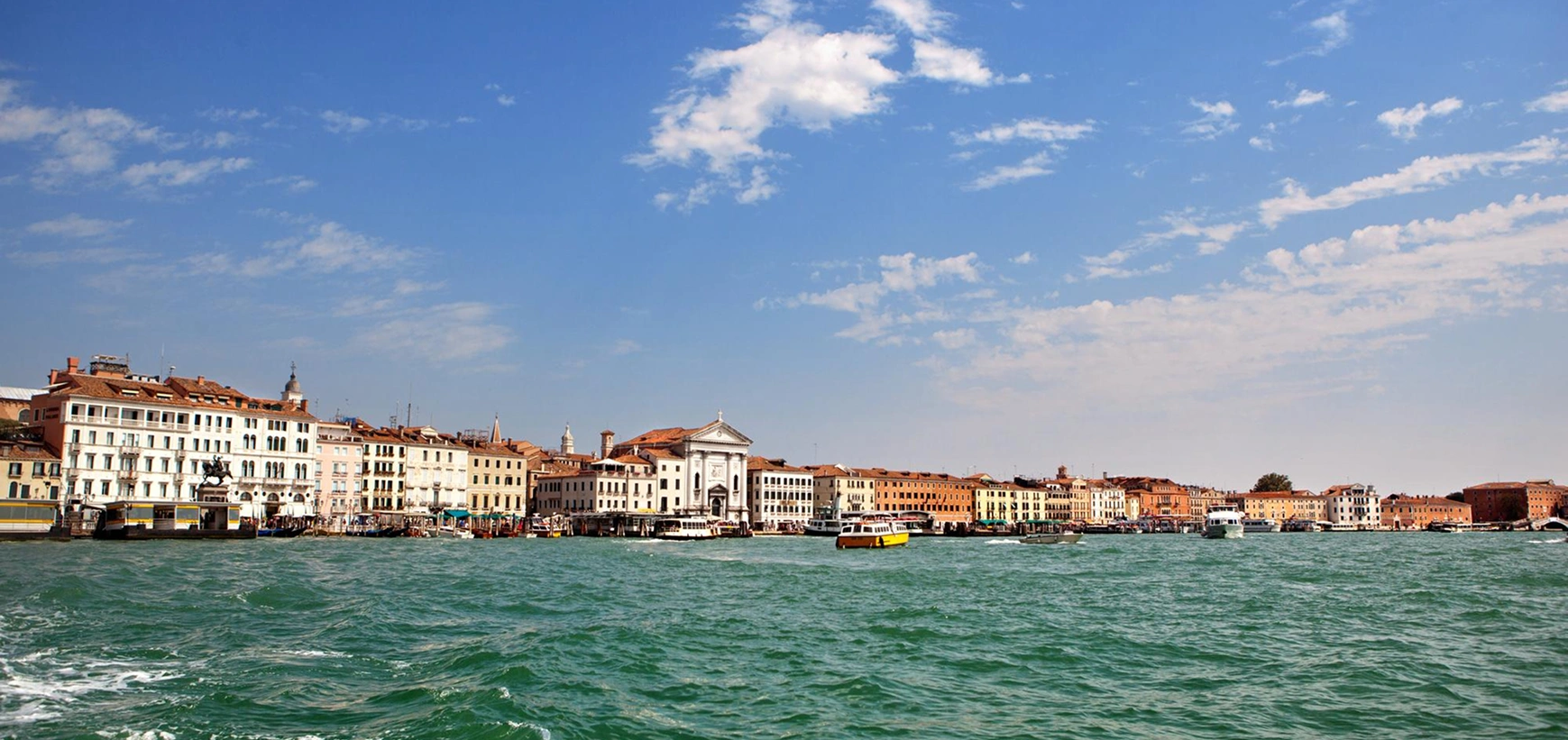
Albania is roughly 30–40% less expensive than its neighbors, Greece and Croatia. You get Mediterranean wonder and Balkan culture without the Mediterranean price tag. A week-long holiday here can cost less than a weekend escapade in Barcelona or Venice.
4. UNESCO Towns That Are Timeless
Albania’s UNESCO sites are special because they haven’t been over-commercialized.
Berat: The City of a Thousand Windows
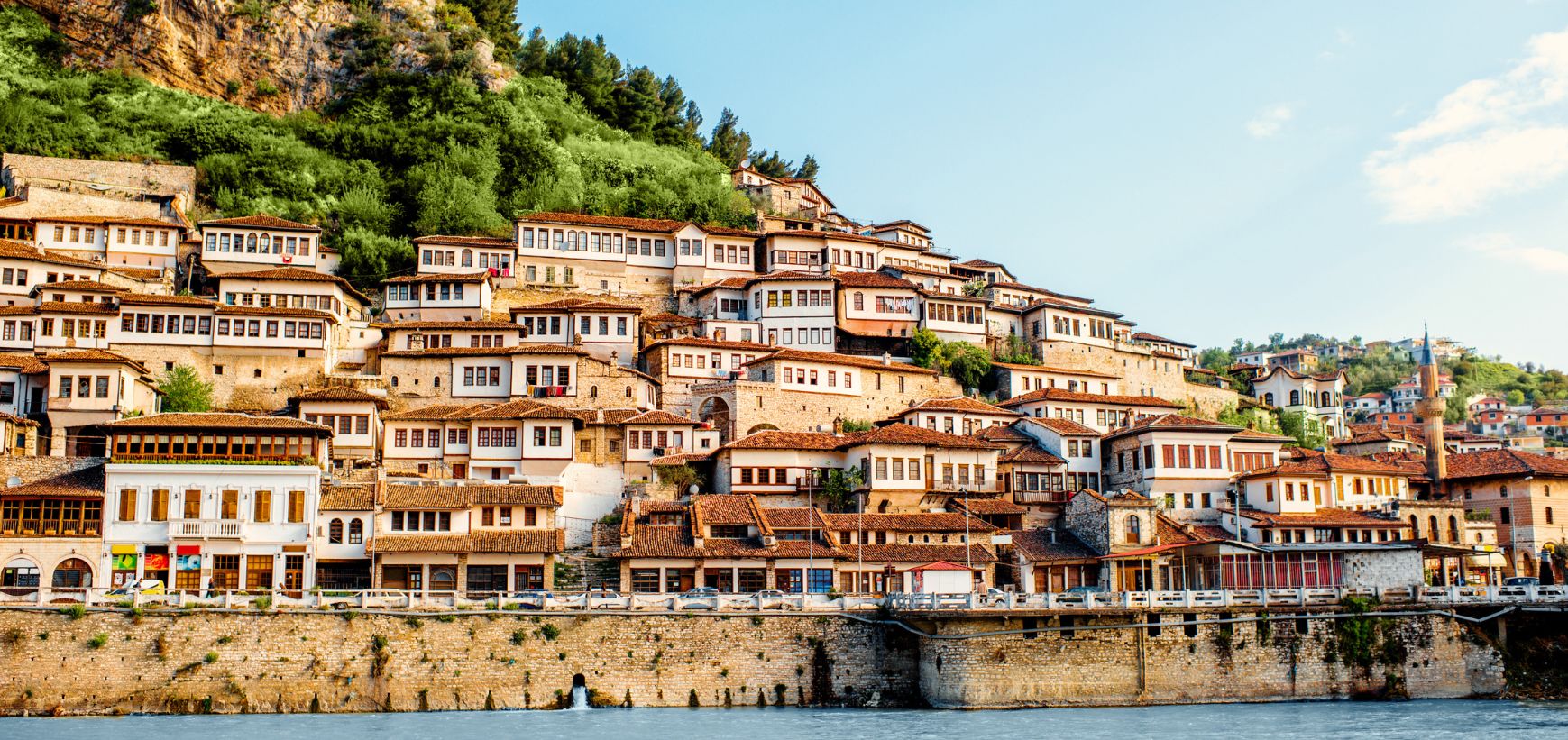
One of Albania’s oldest cities (inhabited since 1500 BCE), Berat is famous for its white Ottoman houses with large windows lining the hills. It looks like the city is watching over the Osum River below. You can explore Berat Castle (Kala), which is still inhabited, and visit the Onufri Museum for iconic 16th-century art. Entrance fees are tiny compared to other European sites.
Gjirokaster: The Stone City
Built against a mountain horizon with stone roofs and streets, Gjirokaster looks like it grew naturally out of the rock. It was a settlement for elite landowners in the 17th century. The massive Gjirokaster Castle looms over the town, and you can visit Ottoman houses like Zekate House for about €2–3 to see incredible carved wooden ceilings. The Old Bazaar here is a real marketplace, not a tourist trap.
Butrint: Ancient Ruins
For history buffs, Butrint is unbeatable,and often empty. Visible from Sarandë, it packs 2,500 years of history into a beautiful park setting. You walk through a 3rd-century BC Greek theater, Roman baths, Byzantine basilicas, and Venetian fortifications all in one go. Entry is around €10, a fraction of what you’d pay in Greece or Italy.
5. The Llogara Pass Road is Thrilling
Driving the Llogara Pass is arguably one of the sweetest coastal drives in Europe. The mountain road (SH8) takes you up to 1,027m before dropping dramatically down to the Riviera. The views of the Ionian shoreline, mountains diving into turquoise water, and the winding road below are picturesque.
Llogara National Park envelops the pass, offering cooler air and hiking trails. It’s also a popular launch site for paragliders. There are mountain restaurants here where you can eat grilled lamb or trout while overlooking the entire coast. Many travelers say it rivals the famous coastal drives of Italy and Croatia.
6. Tirana is One of Europe’s Most Colorful Capitals
Tirana doesn’t get enough credit. It stitches together communist history with modern vitality in a unique way. A former mayor (now PM) painted the grey communist-era buildings in bright, funky colors,yellow, orange, pink, and green,giving the city a striking, optimistic vibe.
Skanderbeg Square is the heart of the city, surrounded by the National History Museum and the Et’hem Bey Mosque. Don’t miss the Bunk’Art museums, massive Cold War bunkers turned into immersive art and history spaces.
The café culture is strong, especially in Blloku, which once housed the communist elite but is now filled with chic spots. Coffee costs about €1–2, and people spend hours socializing. It’s a city evolving with neon-colored change while respecting its complex past.
7. The Albanian Alps are a Hiker’s Secret
While everyone heads to the Swiss Alps, northern Albania remains blissfully secluded. The Albanian Alps (part of the Accursed Mountains) offer some of the best hiking in Europe without the crowds.
Traditional stone villages like Theth and Valbona serve as bases for treks through pristine landscapes. The classic hike from Valbona to Theth is a full day of stunning beauty and mountain passes. You pass through villages where life has changed little for centuries.
Theth is home to the Blue Eye of Theth (a natural spring) and the Grunas Waterfall. Guesthouses here charge around €40 per person, including dinner and breakfast,a bargain that’s hard to beat given the isolation and scenery. You get five-star beauty for a backpacker budget.
8. The Hospitality and Safety are Genuine
Albanians are renowned for being warm and welcoming. “Besa”,a code of honor and keeping one’s word,is deeply rooted in the culture. Locals also cherish foriegn visitors and often welcome them wholeheartedly.
As for safety, the old misconceptions are just that,misconceptions. The U.S. State Department lists Albania as Level 1 (Exercise Normal Precautions), similar to most of Europe. Violent crime against tourists is virtually non-existent, and street crime is moderate. You’ll likely feel safer here than in many major Western European cities.
9. The Food is a Delicious Fusion
Albanian cuisine is a delicate blend of Mediterranean freshness and strong Balkan tradition, with Greek, Turkish, and Italian ingredients.
- Burek: This is a type of pastry extremely flaky puff that is filled with meat, cheese, or spinach. It can be found almost on every menu for around €2.
- Tave Kosi: The national dish of Albania known for its tenderness and juicy texture. It is served with rice baked in a special thick yogurt sauce.
- Qoften: Type of grilled meatballs seasoned with fresh herbs.
- Seafood: Fresh catch, octopus salad, and seafood risotto along the coast.
Don’t forget Raki, a fruit brandy believed to have healing properties. It’s customary to share a shot with new friends. Lavish meals at traditional restaurants cost just €10–15, while high-end dining rarely exceeds €25–30 per person. The “farm to table” movement isn’t a trend here; it’s just the way of life.
10. Practical Travel is Surprisingly Easy
- Getting Around: Public transport (buses) connects major cities (e.g., Tirana to Sarandë takes 6-7 hours for ~€12), but renting a car (€20–50/day) gives you flexibility, especially for the Riviera. Driving standards have improved, though local style can be aggressive.
- Best Time to Visit: May, June, and September offer perfect weather and lower prices. July and August are hot and crowded on the coast. For the Alps, visit June to September.
- Money: The currency is the Lek (ALL), but Euros are widely accepted. ATMs will charge fees (€5–8), so bringing cash would be smart. Mostly in cities cards can work but for rural areas cash is ideal.
- Language: Albanian is official, but English and Italian are common. Learning a few phrases like “Pershendetje” (Hello) goes a long way.
- Hotels: Book ahead for July and August, particularly on the Riviera. Guesthouses mostly provide guests with breakfast and good value at the same time.
Conclusion
Albania offers a rarity in 2026: a true European experience without the drawbacks of mass tourism. The nation excels in every aspect, from the breathtaking Riviera beaches to the historic UNESCO sites, the breathtaking Alps, and the vibrant capital.
With its unique mix of natural beauty, history, incredible food, and economic value, Albania is one of Europe’s best values. It’s a small country with a lot of heart, offering ruins, beaches, myths, and friendly people,all at a very low cost. Before the secret gets out completely, you should go.