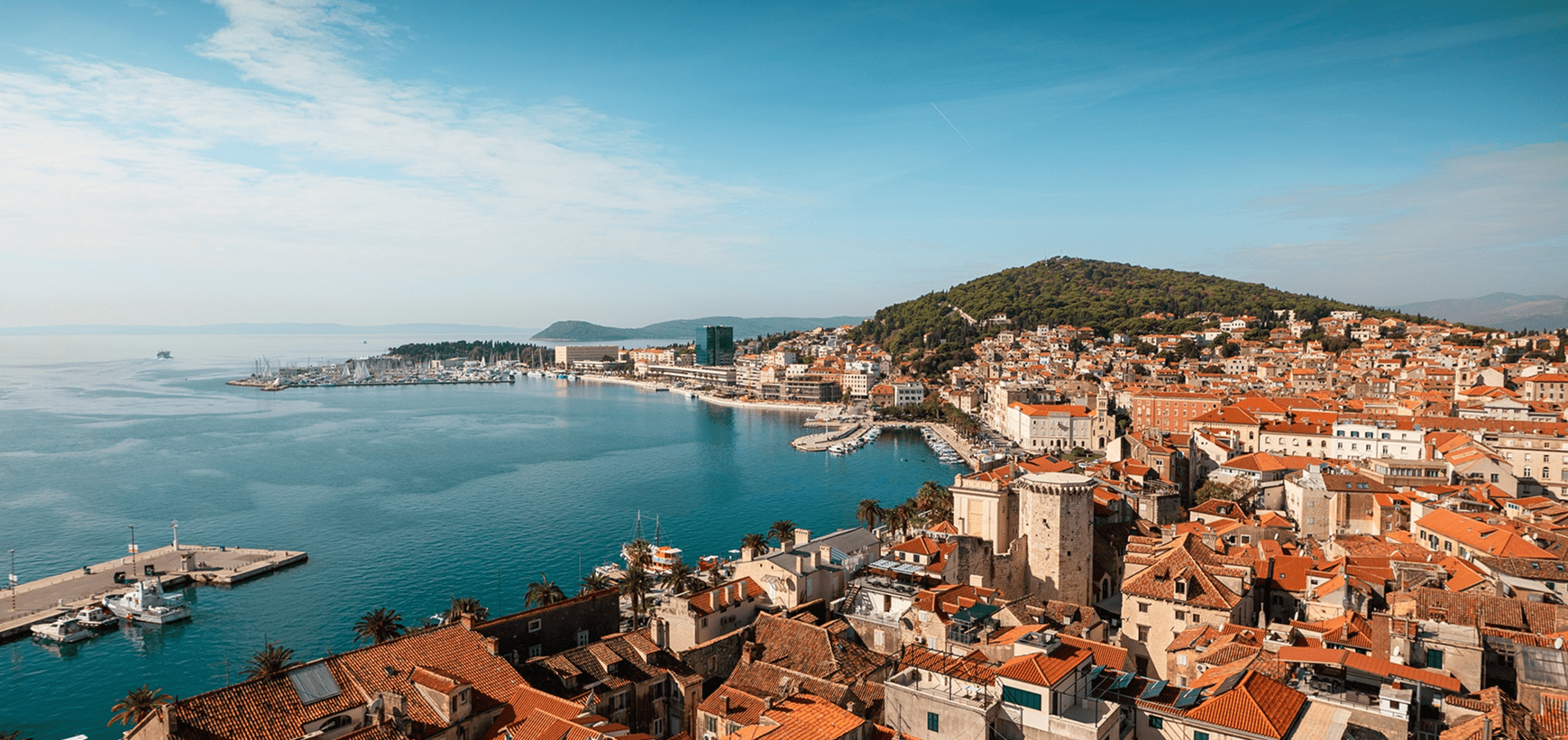





Let’s be honest for a second. When you hear “Croatia,” your brain probably jumps straight to the shiny yachts in Hvar, the medieval walls of Dubrovnik, or maybe sipping a €10 cocktail on a pebble beach. For a long time, this country has worn a “luxury only” badge. It felt like a place you saved up for a once-in-a-lifetime trip, not somewhere you’d actually move to on a budget.
But here is the reality check: the Croatia cost of living is not what the tourist brochures tell you. If you skip the “Game of Thrones” filming locations and look where the locals actually live, this country is a total steal. Sure, the euro adoption in 2023 shook things up, and prices crept up, but looking ahead to 2026, the picture is still very bright for your wallet.
Whether you are a digital nomad chasing a reliable Wi-Fi signal, a retiree looking for a safe slice of Europe, or just someone tired of the Western rat race, Croatia has options. We are going to look at ten cities where affordable living in Croatia isn’t just a marketing slogan—it’s a daily reality. Let’s dive in.
The Real Deal: How Much Will It Cost in 2026?
Many people ask: is it expensive to live in Croatia? The answer depends entirely on whether you choose tourist hotspots or authentic local cities. Before we hit the list, let’s set the stage. By 2026, the initial shock of switching to the euro will have settled down. Wages are slowly catching up, but the gap between the coast (for tourists) and the interior (for life) remains massive.
In general, if you avoid the tourist traps, a single person can live very comfortably for between €800 and €1,200 a month. That includes rent, food, and maybe a few beers on the weekend. Rent is your biggest variable, followed by utilities in the winter (it gets cold inland!).
Here is how that breaks down in the living costs in Croatia:
- Rent: €300–€600 (outside the hotspots)
- Utilities: €100–€200 (depends on heating)
- Groceries: €200–€300
- Eating Out: €5–€10 for a good meal
Now, let’s find the cities where these numbers are reality, not fantasy. If you’re planning your Europe trip, don’t miss these best places to visit in Croatia that are still under the tourist radar for a unique and less crowded experience.
1. Osijek: The Undisputed King of Value
Located in the east, in the region of Slavonia, Osijek is often skipped by tourists. That is their loss and your gain. It is the largest city in the region, sitting right on the Drava River.
- The Vibe: Chill, continental, and proud.
- Rent: You can find a modern flat in the center for about €350–€450.
- Why it works: Osijek has all the big-city infrastructure—universities, hospitals, shopping malls—but without the Zagreb price tag. It is the definition of affordable living in Croatia. Plus, the coffee culture here is serious business.
2. Slavonski Brod: The Budget Champion
If you want to stretch your Euro to the absolute limit, look at Slavonski Brod. It sits on the Sava River, near the border with Bosnia. It is an industrial town, not a postcard, but it is incredibly authentic.
- The Vibe: Raw, working-class, and real.
- Rent: This is where the deals are. We are talking about €250–€350 for a spacious apartment.
- Why it works: Croatia’s living expenses here are some of the lowest in the EU. If you work remotely with a Western salary, you could save half your income every month living here. It is quiet, perhaps a bit gritty, but very cheap.
3. Knin: The Mountain Fortress
Head down south, but away from the coast, and you will find Knin. It sits near the source of the Krka River and is famous for its huge fortress. It is a small town, not a metropolis, but the nature is unbelievable.
- The Vibe: Rugged, historic, and surrounded by mountains.
- Rent: You can rent a house here for the price of a parking spot in London. Think €200–€300.
- Why it works: If you love hiking and history and don’t need a buzzing nightclub scene, Knin is perfect. The cost of living in Croatia drops significantly in these inland Dalmatian towns.
4. Karlovac: The City of Four Rivers
Just 50 kilometers southwest of Zagreb lies Karlovac. It is known for its star-shaped old town and, you guessed it, four rivers flowing through it. It is a haven for nature lovers.
- The Vibe: Green, refreshing, and suburban-rural.
- Rent: Expect to pay around €350–€500 for a nice family home.
- Why it works: Many people live here and commute to Zagreb to save money. But Karlovac stands on its own with great beer (it’s a beer town!) and beautiful parks. It offers a high quality of life without the capital city’s stress.
5. Vinkovci: The Oldest Town in Europe
Located in eastern Slavonia, Vinkovci has a claim to being the oldest continuously inhabited town in Europe. It is famous for its folklore and agriculture.
- The Vibe: Traditional, warm, and community-focused.
- Rent: Very affordable. You are looking at €250–€350.
- Why it works: The living costs in Croatia here are dictated by local wages, which are lower than the EU average. That means everything from bread to haircuts is cheap. It is a great place if you want to integrate into a tight-knit community.
6. Koprivnica: The Heart of Podravina
Up north, near the Hungarian border, lies Koprivnica. It is often called a “garden city” because it is so green and well-kept. It is the headquarters of Podravka, the food company that makes Vegeta, so you know they take food seriously here.
- The Vibe: Clean, organized, and family-friendly.
- Rent: Apartments go for about €300–€450.
- Why it works: It is a very safe and calm city. It is perfect for families or anyone who wants a slower pace. The cost of living in Croatia is predictable and stable.
7. Varaždin: The “Baroque Vienna.”
If you want architecture that looks like it belongs in a storybook, go to Varaždin. It was the capital of Croatia once upon a time, and the buildings still show off that glory.
- The Vibe: Elegant, cultural, and sophisticated.
- Rent: Slightly pricier than Osijek, maybe €400–€550, but worth it for the quality.
- Why it works: It is one of the best-organised cities in the country. It has incredible music festivals and a pedestrian city centre that feels very Central European. It proves that affordable living in Croatia can also be fancy.
8. Rijeka: The Gritty Port
Rijeka is a port city. It is on the coast, but it is not a beach resort. It is a real, working city with a rough-around-the-edges charm that many people love.
- The Vibe: Bohemian, busy, and diverse.
- Rent: You can find places for €450–€600.
- Why it works: While nearby Opatija is filled with expensive hotels, Rijeka remains grounded. You get the sea air and the mountain views (Učka is right there) without paying the “tourist tax.” It is a very authentic coastal experience.
9. Pula: The Istrian Surprise
Istria is known as the “Tuscany of Croatia,” and usually, that means expensive. But Pula, the largest city in the region, is still accessible.
- The Vibe: Historic, sporty, and relaxed.
- Rent: Expect to pay €500–€700.
- Why it works: You have a massive Roman amphitheater in your backyard! Pula is a great base. The city itself is cheaper than the touristy hilltop towns nearby. Plus, the food in Istria is legendary (truffles, pasta, and wine), and it’s reasonably priced if you avoid the tourist traps.
10. Šibenik: The Authentic Adriatic
Located between Zadar and Split, Šibenik is often the city people drive past on the highway. That is a mistake. It is a stunning stone city built on a bay.
- The Vibe: Historic, artistic, and unpretentious.
- Rent: Prices are rising, but you can still find a spot for €500–€700.
- Why it works: Unlike Split, which is often overrun with cruise ship passengers, Šibenik retains a local vibe. It feels real. The living expenses here are justified by the quality of life—you are living in a UNESCO World Heritage site without paying New York prices.
Breaking Down the Budget
To give you a clear idea of what you might spend in 2026, let’s look at a monthly budget for a single person living in one of these affordable cities, like Osijek or Knin. The Croatia cost of living in these inland areas remains surprisingly low compared to coastal tourist destinations.
The “Real Life” Monthly Budget:
- Apartment Rent (1-bed): €350
- Utilities (Electric, Water, Gas): €150 (Winter might be €200)
- Internet & Phone: €30
- Groceries (Cooking at home): €250
- Dining Out (4 times a month): €60
- Transport (Bus pass/occasional taxi): €40
- Total: €880 per month
Compare that to a tourist hub like Dubrovnik, where rent alone can be €800+, and you see the power of choosing the right city.
The “Hidden” Costs to Watch For
We want to be straight with you. Affordable living in Croatia is real, but there are a few things you need to watch out for when evaluating the Croatia cost of living.
1. The “Resident” vs. “Tourist” Price Divide:
This is a real thing. In a cafe on the main square, a coffee might cost €2.50. Walk three streets over to where the locals drink, and it might be €1.60. To get the true cost of living in Croatia, you have to live like a local. Shop at the tržnica (market) instead of the fancy imported grocery store.
2. Heating in Winter:
If you pick a city in the interior (like Osijek or Varaždin), winter is cold. Heating is not included in rent, and your bill in January can be high. Make sure you ask about insulation and heating costs before you sign a lease.
3. Salaries vs. Prices:
If you plan to work a local job, salaries in these cheaper cities are lower. But if you are bringing in money from abroad (remote work, pension), you will feel like a king. The purchasing power of a euro in Osijek is way higher than in Paris.
Conclusion
So, is it expensive to live in Croatia? It is all about where you look. If you only look at the postcard beaches, you might think it’s too expensive. But if you are smart about it, the cost of living in Croatia is one of the best deals in Europe in 2026.
You have options. You can have the continental elegance of Varaždin, the river vibes of Osijek, or the coastal grit of Rijeka. You get the safety, the nature, and the incredible food that makes the Balkans famous. You just have to be willing to explore a bit beyond the tourist guidebooks.
Pack your bags, do your math, and get ready. Your affordable European adventure is waiting for you in the real Croatia.
Frequently Asked Questions
1. Can I really live on €1,000 a month?
Yes, absolutely. If you live in cities like Osijek, Slavonski Brod, or Knin, €1,000 is plenty. You will have a nice apartment, eat good food, and maybe even save some cash. It might be tighter in coastal spots like Pula, but it’s doable there, too, if you are smart with your spending.
2. Do I need to speak Croatian to get by?
It helps, but you can survive with English. Younger people speak it very well, especially in the cities. But for things like dealing with the government or older neighbors, knowing a few basic Croatian phrases (or using Google Translate) will make your life much easier.
3. Is healthcare expensive?
Public healthcare is generally free or very low-cost for residents who pay into the system. However, many expats choose to get private insurance just to skip the waiting lines. Even private insurance is much cheaper than what you would pay in the US or Western Europe.
4. Which city is best for digital nomads?
Rijeka and Osijek are becoming hotspots for nomads. Rijeka has the sea and great internet, while Osijek has a huge student population and a growing tech scene. Both offer a lower cost of living than Zagreb, making your money last longer.
5. Is it safe to walk around at night?
Yes, Croatia is very safe. These cities are generally safe to walk around at night. Like anywhere, you should use common sense, but violent crime is very rare. The biggest danger you might face is tripping on the old cobblestones