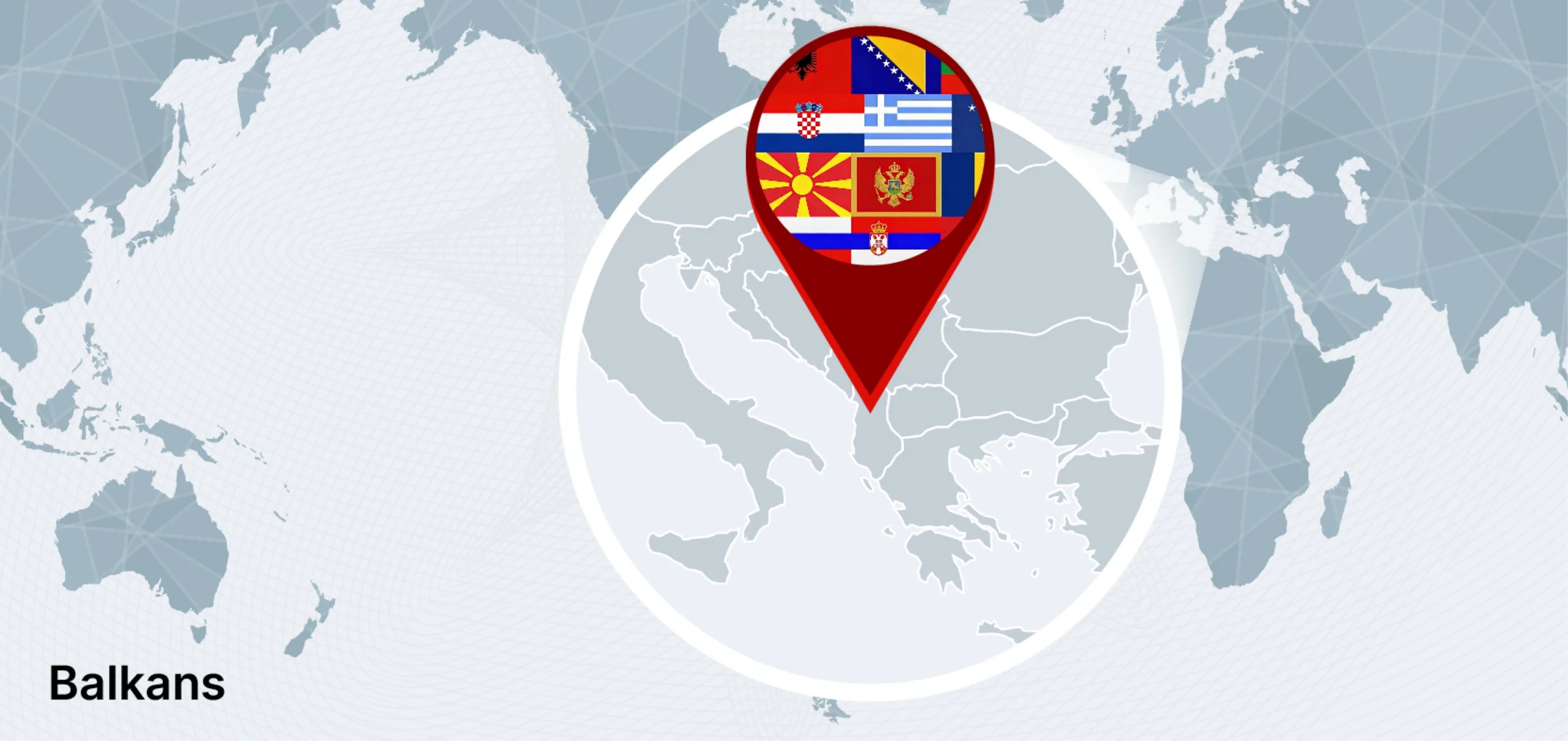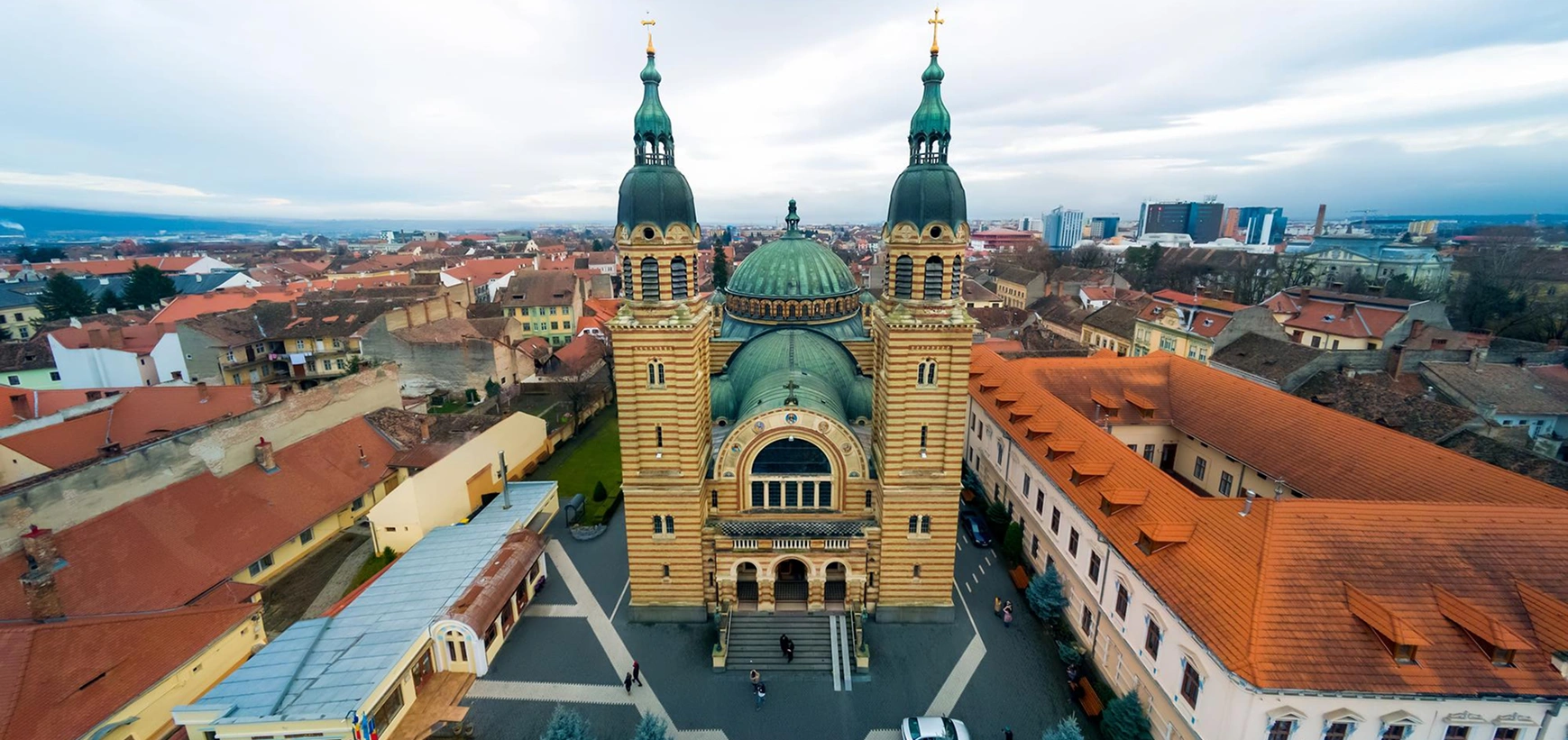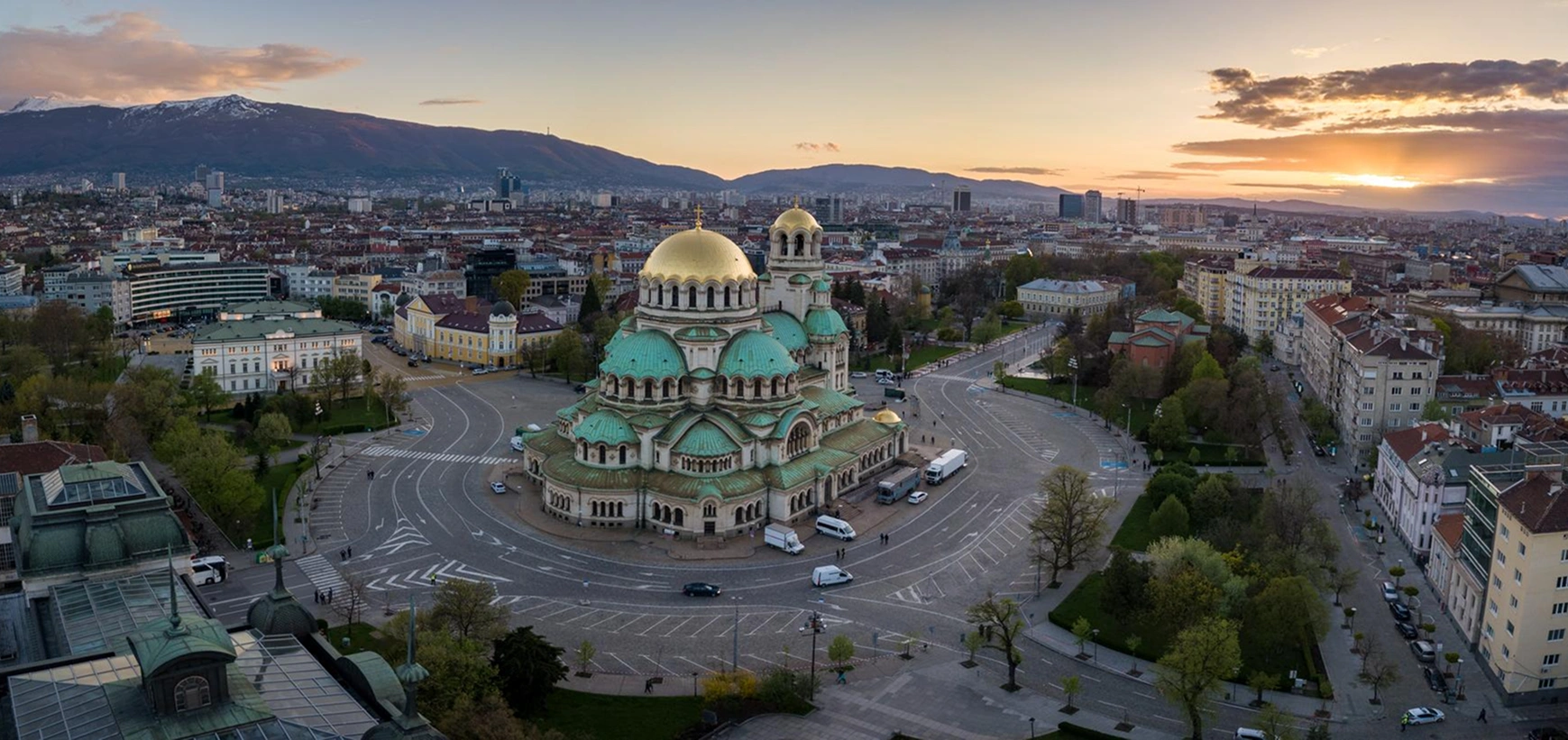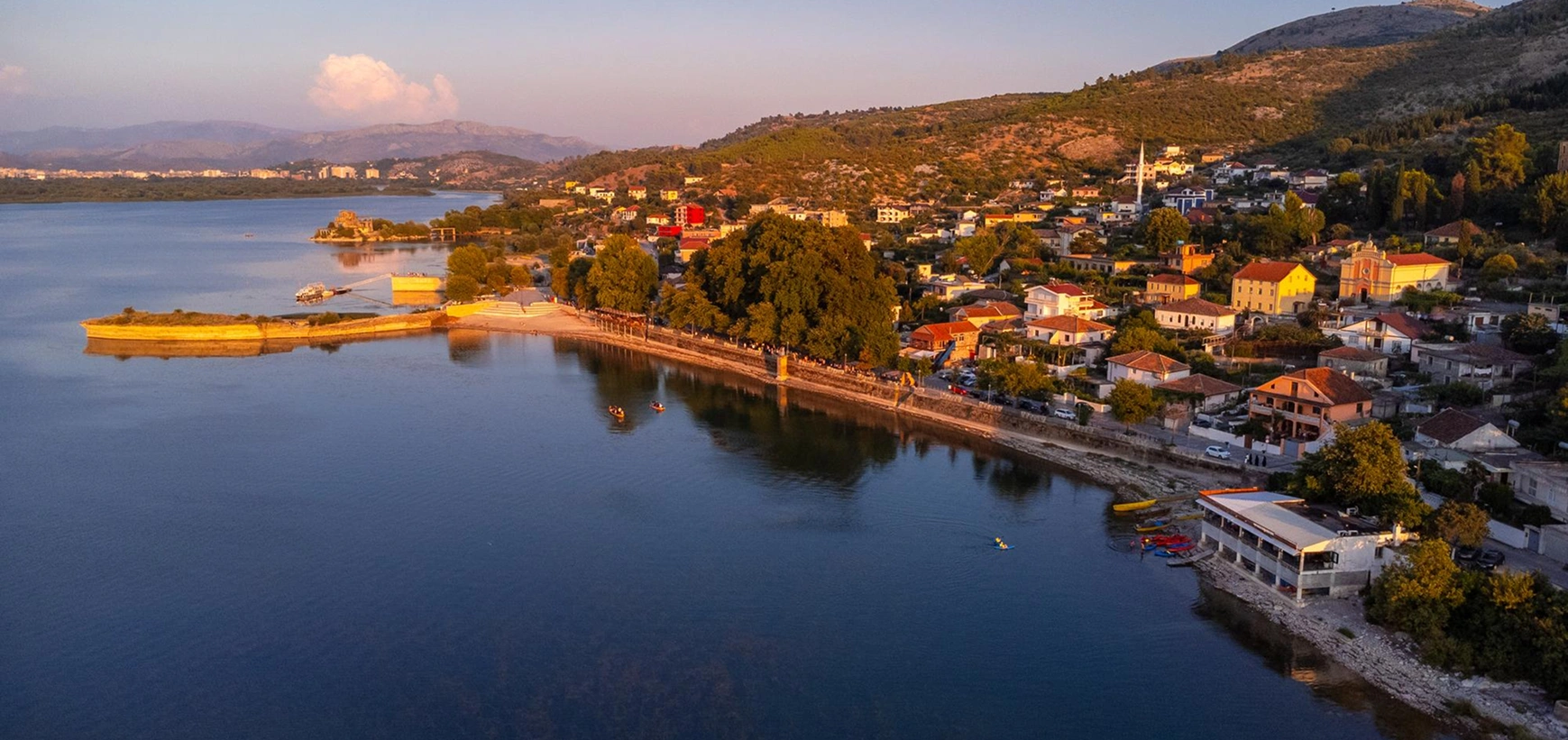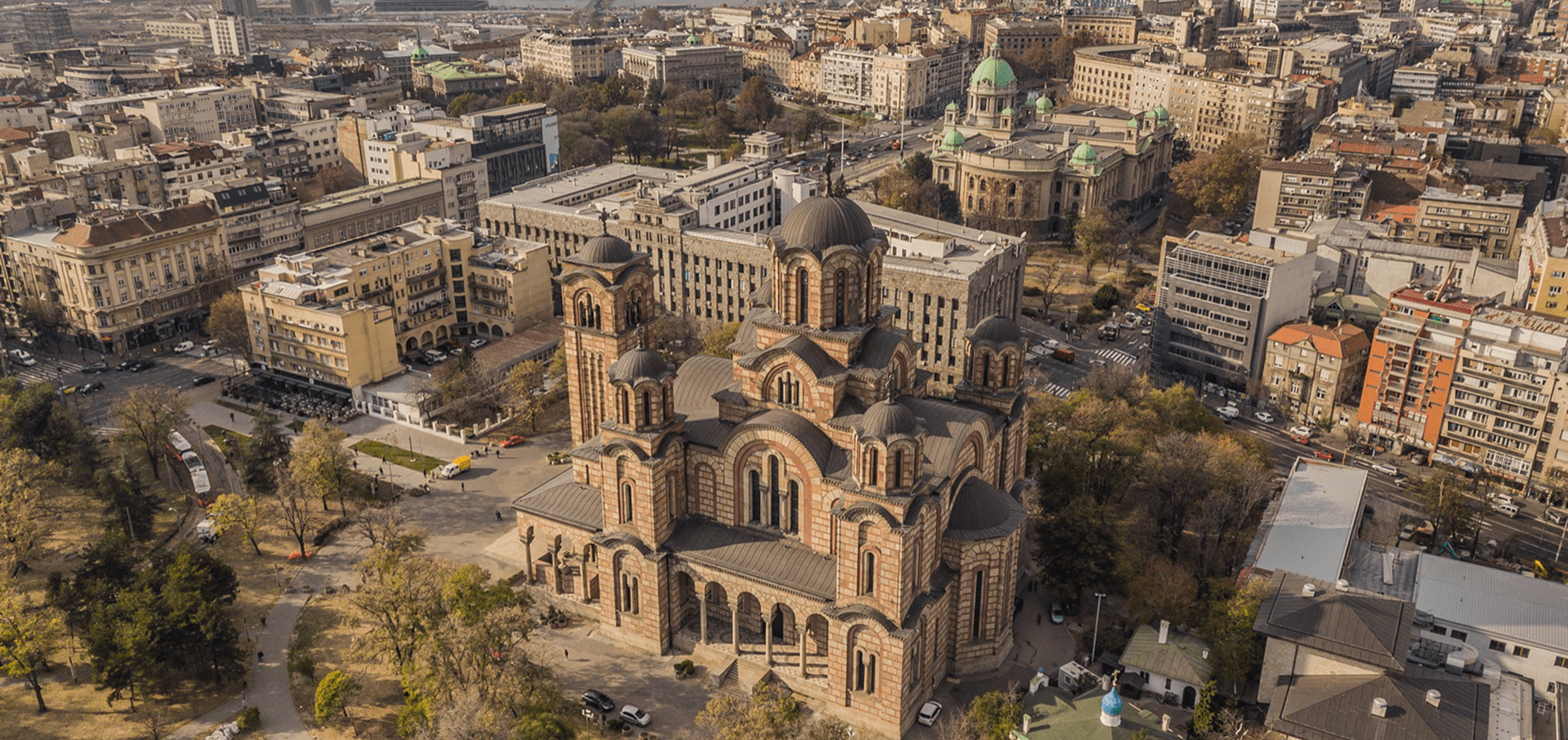







The Balkans’ evolution into a “primary corridor” is the outcome of a perfectly scheduled intersection between massive capital injection, geopolitical stability, and technological maturity.
With a shift of global supply chains towards nearshoring, the Balkan region delivers an exceptional competitive edge via an amalgamation of strategic geographic positioning, a highly talented yet affordable workforce, and robust digital transformation. With the European Union’s New Growth Plan, investing billions into regional infrastructure and numerous nations striking milestones such as Eurozone entry, the topography for international investment has never been more fruitful. Businesses aiming at the best Balkan countries for businesses are likely to discover an exceptional environment wherein high GDP growth forecasts, some even reaching as high as 4.0%, encounter essential tax incentives and lurking consumer demand.
Assessing this territory in 2026 needs a subtle understanding of the diverse economic paths within the peninsula, right from the tech-savvy hubs of Serbia and Romania to the logistics gates of Greece and Bulgaria. Irrespective of your purpose, be it to employ the region’s expanding e-commerce sector or to launch a manufacturing base with direct access to Central European markets, the room for early-mover advantage is shrinking.
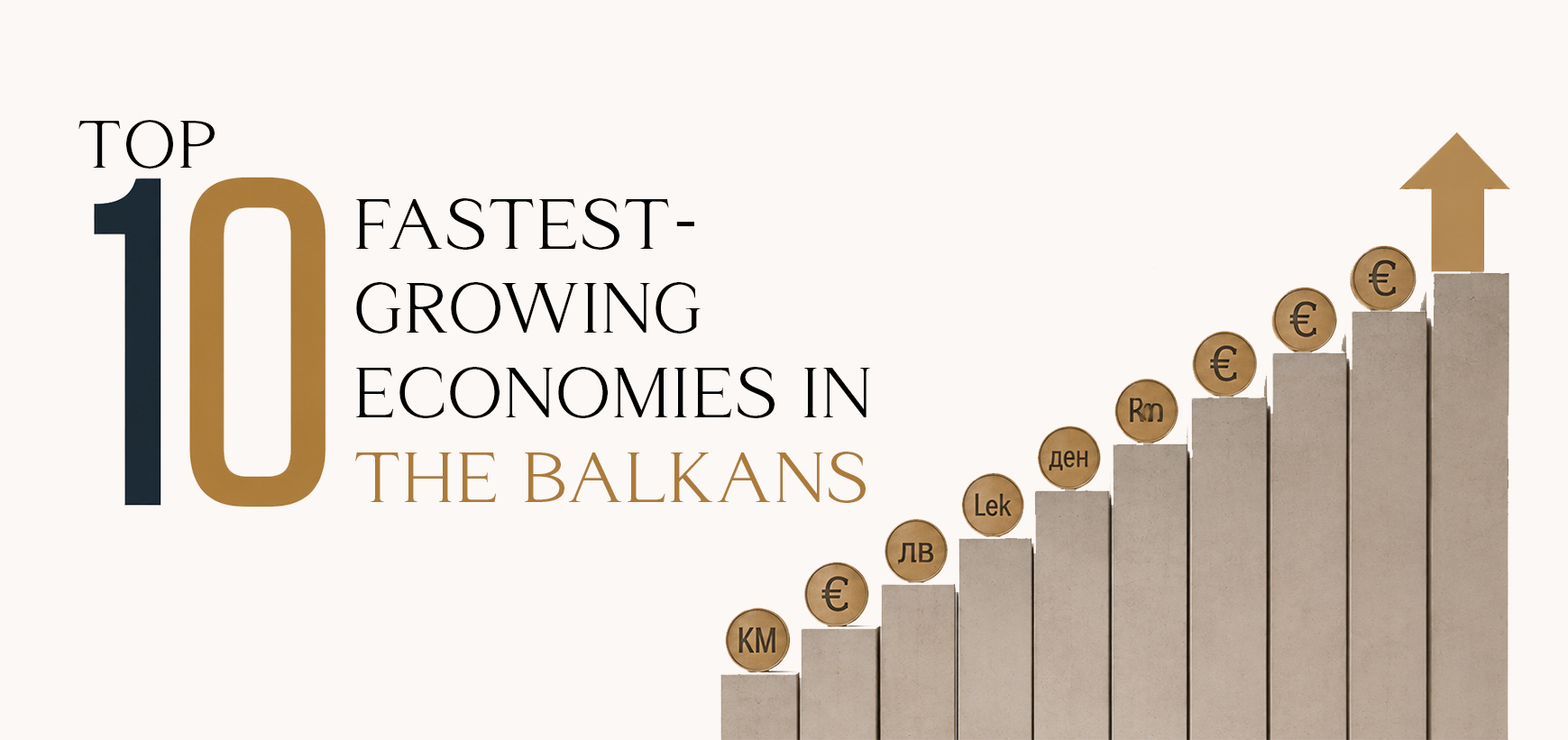
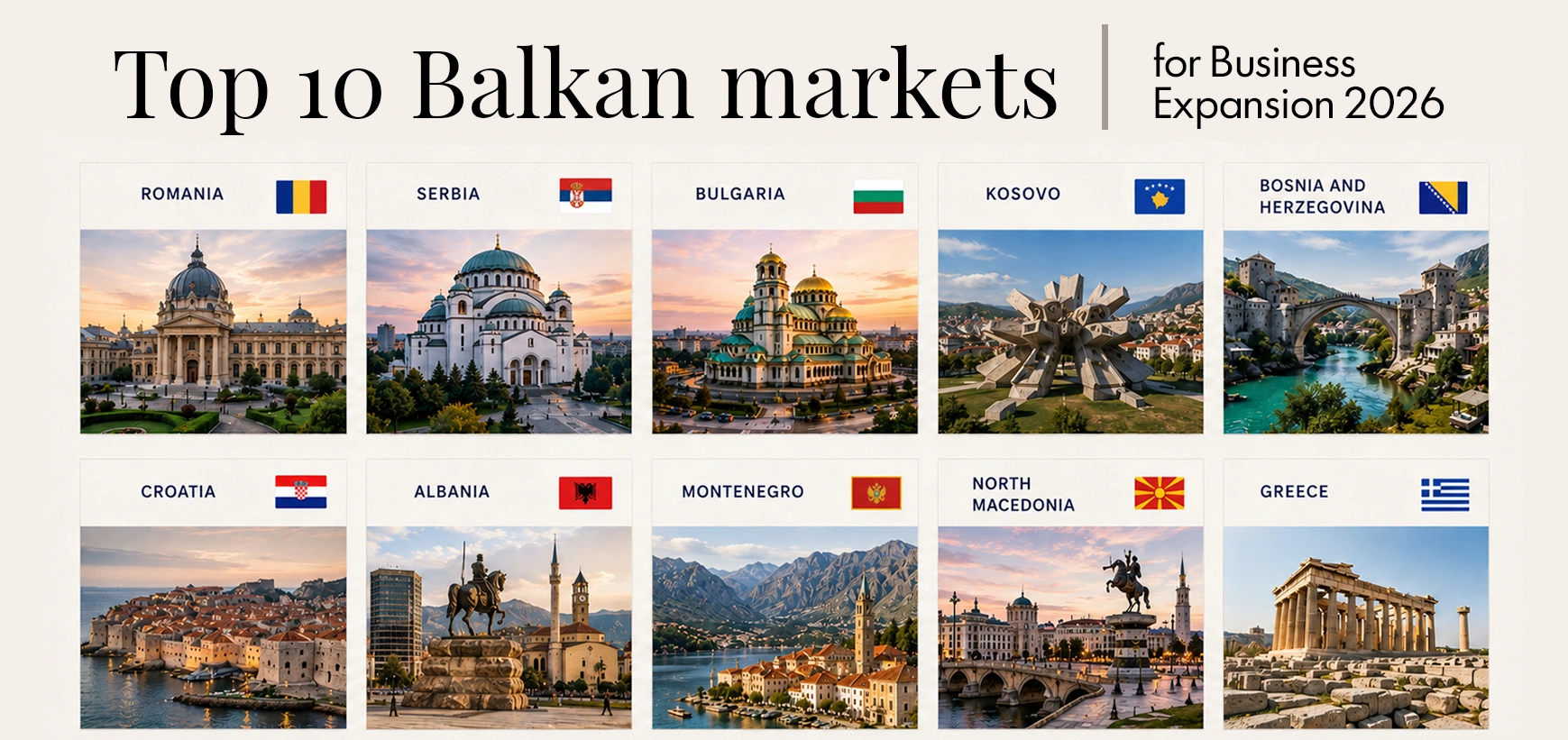
This blog explores the top 10 destinations for business expansion 2026, analyzing critical statistics, fiscal policies, and sector-oriented opportunities that determine the Balkan economic renaissance.
The list includes:
- Romania
- Serbia
- Bulgaria
- Kosovo
- Bosnia and Herzegovina
- Croatia
- Albania
- Montenegro
- North Macedonia
- Greece
Here’s a detailed segmentation of the factors fueling the Balkan transformation:
The EU’s Growth Plan: An Impetus for Stability
The EU’s New Growth Plan for the Western Balkans is far beyond a policy framework. As of 2026, it’s an operational economic engine. By lashing financial assistance directly to socio-economic reforms, the EU has incentivized Balkan regions to systematize their regulations with the Single Market. In the business environment, a few lessons can be learned:
- Reducing Bureaucracy: Improved customs procedures contribute to the seamless integration of businesses
- Market Integration: It facilitates the free flow of goods and services between Western Balkan countries outside the EU and the rest of the Eurozone, strengthening their market ties.
- Financial Stability: Augmented investor confidence supported by EU-monitored fiscal transparency.
Pan-European Corridors: The Physical Vertebrae
The execution and expansion of Corridors VIII and X have fundamentally altered the regional logistics.
- The Corridor X: The road connecting Salzburg and Thessaloniki, has made Serbia and North Macedonia key transit points for moving goods from Central Europe to the Aegean.
- Corridor VIII: This East and West corridor connects the Adriatic (Albania) to the Black Sea (Bulgaria), opening gateways to novel trade routes that detour traditional Mediterranean barriers.
- Aftermath: Considering the e-commerce and manufacturing, this indicates faster “last-mile” delivery times and essentially lower freight costs.
The High-Tech Anomaly: Minimal Cost, High Skill
The region provides an exceptional “arbitrage” opportunity. Meanwhile, operational costs (utilities, rent, and competitive labour) remain cost-effective compared to those in Western Europe, and the technological proficiency is top-notch.
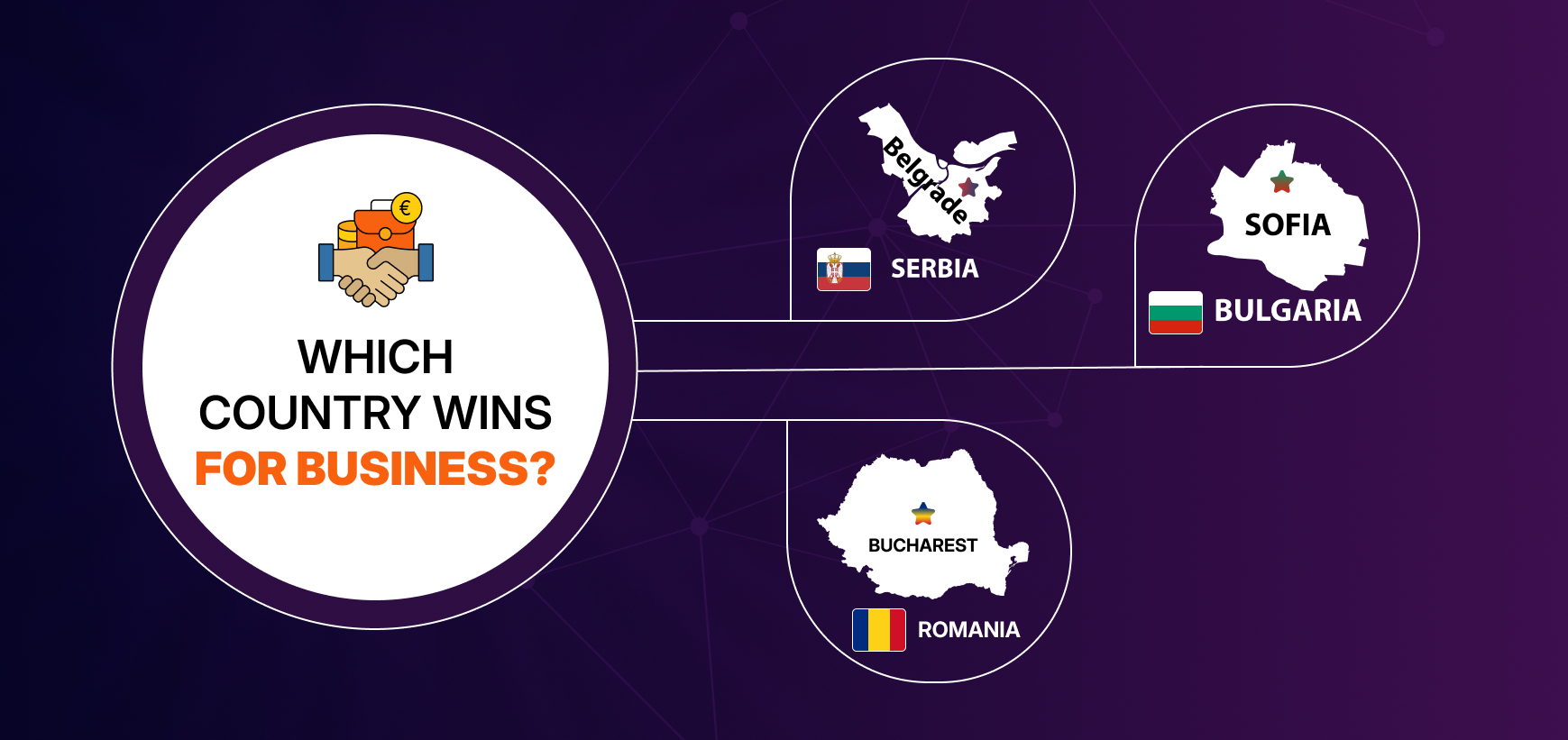
- Creative Hubs: Cities of Belgrade, Bucharest, and Sofia are now home to R&D centres for global tech biggies.
- Digitalization: In 2026, the widespread implementation of 5G and fiber-optimized networks, funded mainly by the Digital Europe Program, has led to the terminal of the digital divide, enabling tech firms to exercise high-ambit operations throughout the peninsula.
The 2026 Economic Blueprint
The Balkan region is expected to grow by an average of 3.2% in 2026, surmounting the broader EU average of 1.3%. This resilience is accelerated by an increase in tech investment and private sector adaptability.
Furthermore, let’s have a glance at the Balkan countries that define the economic renaissance.
1. Romania: The Accomplished Executive
Romania is a heavyweight champion of the region. In 2026, it’s expected to be one of the most advanced e-commerce markets across Europe.
- Growth Tip: Romania’s market maturity makes it an ideal point for businesses desiring a stable, large-scale consumer base.
- Key Statistics: In spite of a fiscal adjustment flaring the standard VAT to 21% in 2025, its gigantic market size persists to lure the highest volume of regional investment.
2. Serbia: The Development Powerhouse
Serbia is expected to lead the Western Balkans with an average of 4.0% GDP growth rate in 2026.
- Why Should You Invest: It possesses the region’s most developed Science and Technology parks.
- FDI Hotspot: Serbia majorly attracts net FDI inflows of about 7% of its GDP, principally in manufacturing and high-tech industries.
3. Bulgaria: The Newest Member of the Eurozone
Commencing January 1st, 2026, Bulgaria is all set to adopt the Euro.
- Implications for Currency Exchange and Cost: By using the Euro, the country will be protected against any risk of currency exchange and reduce the cost of doing business for foreign firms.
- Tax Anchorage: Concerning taxation policy, Bulgaria offers favourable grounds. The corporate income tax in Bulgaria is at a fixed rate of 10%.
4. Kosovo: The Digital Frontier
Kosovo is likely to match Serbia’s growth with a 4.0% GDP boost in 2026.
- Demographic Window of Opportunity: Backed up by the youngest population in Europe, Kosovo is a hotbed for digital services and blue-collar tech startups.
- Giant FDI: Net FDI inflows remain strong, staying close to 7% of GDP.
5. Bosnia and Herzegovina: The Sustainable Development Revolution
Bosnia will witness a growth acceleration of up to 3.9% in 2026.
- Key Area: New EU-supported “SME Go Green” programs are offering grants for businesses, emphasizing sustainability and agribusiness.
- Infrastructure: Important investments are being channeled into Corridor Vc, linking the country directly to Central European markets.
6. Croatia: The Logistics Centre
Being a member of both the Eurozone and the Schengen, Croatia is known as the region of passage for high-value goods.
- Development Forecast: Real GDP will boost by 3.05% in 2026.
- Investment Crest: It leads the peninsula in Gross Fixed Capital Formation (GFCF) growth at 3.75%, indicating a huge build-up in physical business assets.
7. Albania: The Energy Trailblazer
Albania’s economy will boost by 3.4% in 2026.
- Strategic Benefit: The region is a focal point of renewable energy projects (hydro and solar) and the stimulation of major transport links such as the Durres-Tirana railway.
- FDI Attraction: Albania continues to attract around 7% of GDP as FDI in the energy and tourism industries.
8. Montenegro: The Tourism Hotspot
The attraction of investment funds in real estate and hospitality continues despite slow growth in Montenegro, estimated at around 3.2% in 2026.
- Top-Ranked FDI: Montenegro stands out in the crowd with a net FDI influx of about 11% of GDP, marking the highest in the region.
- EU Succession: The country is set to become a member of the EU; therefore, the regulatory outlook for Montenegro is bright as ever.
9. North Macedonia: The Industrial Powerhouse
North Macedonia will grow by 3.0% in 2026 due to its strong manufacturing and information technology industries.
- High Optimism: Local businesses express confidence and foresee growth of almost a third in the next year, as the most optimistic outlook in the Western Balkans.
- Export Resurgence: Exports seem to recover by 2026 due to the new world automotive supply chain.
10 Greece: The Mediterranean Access
Greece offers a vital maritime connectivity for Balkan interior states through the Port of Thessaloniki.
- Economic firmness: Greece’s GDP is likely to lead the region’s total value, reaching about $550 billion by 2030.
- Business Appeal: It is becoming structured and “open” for regional e-commerce sellers seeking a high-income consumer base.
Leading Sectors for Business Expansion 2026
If you’re looking to expand your business in 2026, emphasize these high-performing categories:
- Fashion and Footwear: This cross-border category remains #1, thanks to low shipping costs and strong brand goodwill.
- Beauty and Personal Care: High-value margins and petite packaging make this sector perfect for novel entrants into the Balkan markets.
- Small Home Accessories: The market of small home accessories is booming, thanks to increased housing demand and easy logistics.
Final Verdict
The year 2026 depicts the “Circumstellar Habitable Zone” for expansion: the infrastructure is developmental enough to be reliable, but the market is not yet so drenched that entry costs have escalated. Coagulating your presence now enables your business to capitalize on the region’s estimated 3.2%-4% GDP growth in the coming decade.
To wrap up this blog post, Insights Kolekr is a strategic resource for data-driven insights. As the firm is often associated with specialized regional analytics, it fits aptly as a final call to action for businesses seeking to refine their entry gimmicks.
By employing specialized platforms like Insights Kolekr, businesses can attain deeper visibility into:
- Consumer sentiment
- Competitive benchmarking
- Risk mitigation
Integrating these advanced insights enables you to move ahead of trends and implement a surgical expansion strategy that boosts ROI in the region’s highest-growth corridors.