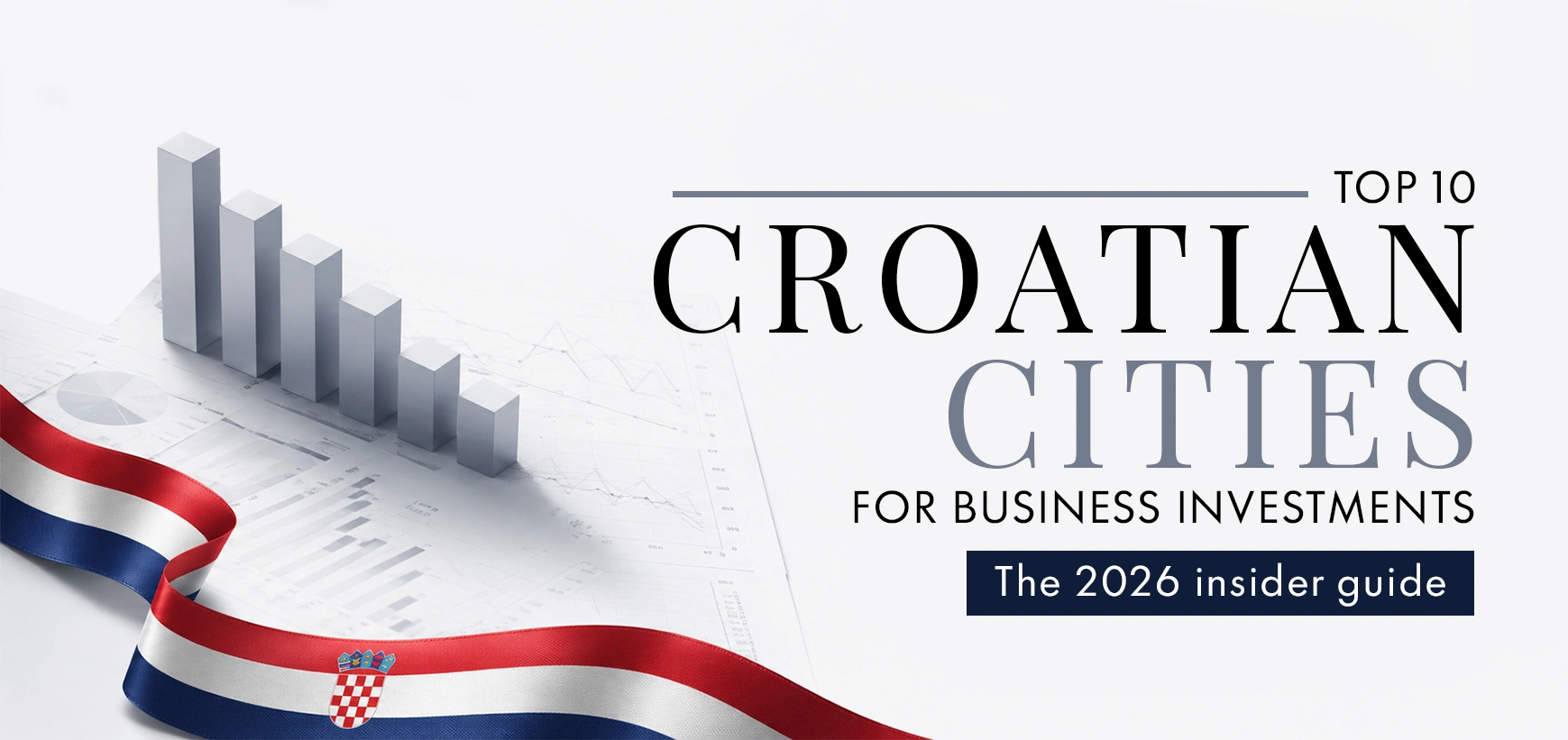







The Croatia real estate market has turned out to be Europe’s most enticing investment hubs in recent years. The rise in tourism, sturdy foreign investment, and restricted housing supply, property prices throughout the country are expected to escalate steadily in 2026.
The recent data suggests that housing prices in Croatia have increased by over 9% year-on-year, with a few regions experiencing higher development. (Source), the primary leading factors are coastal cities and major urban hubs, followed by tourism and restricted new construction. (Source)
No matter whether you are an investor, buyer, or just curious regarding the real estate market in Croatia, mentioned below are the top 10 cities where property prices are increasing in 2026
Why the Real Estate Market in Croatia is on the Rise?
It’s essential to understand the key accelerators behind this growth:
- Limited supply vs high demand increases the price. (Source)
- Rapid tourism growth increases the demand for rental properties
- Foreign investment plays a pivotal role across coastal regions
- Shortage of urban land boosts construction costs
- New-build apartments in Croatia ask a premium of about 12% – 20% over existing homes. (Source)
- The real estate transfer tax in Croatia is a flat 3% for major resale transactions, almost lower than that of a few European neighbors. (Source)
Top Cities Where Real Estate Prices are Escalating
1. Zagreb: The Financial Powerhouse
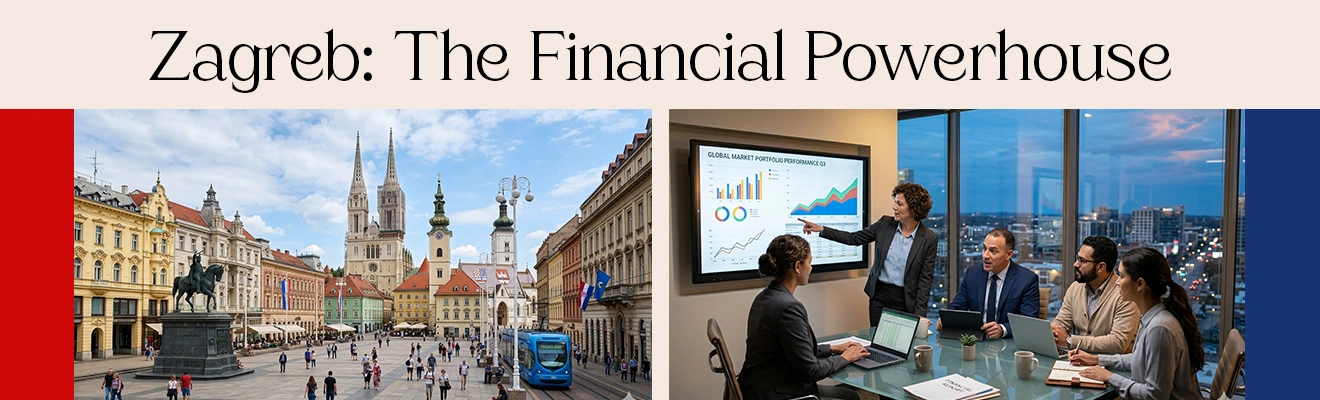
Zagreb, Croatia’s economic and administrative centre, has evolved into a real estate capital in 2026, led by a secured demand and limited housing supply. Property prices have risen, and the average residential value is at a point of up to 3700 per square meter, with the price rising by more than 14 per cent annually. (Source)
The new developments, especially in mainstream neighbourhoods, are so highly priced that they are likely to sell out before the project is even finished due to the confidence of the investors and the development of the urban areas.
2. Split: Investment Hotspot

Split has evolved as one of Croatia’s mainstream real estate nerve centres, led by a strong mix of tourism demand and finite coastal land supply. There’s an increase in property prices by roughly 8-12% annually, overshadowing other Croatian cities; however, prime neighbourhoods are witnessing even higher values of about 15% due to their proximity to beaches and historic zones. (Source)
A few aspects, like short-term rental demand, accelerated by record tourism and digital nomad inflows, persist, pushing investor interest; however, constrained novel construction maintains a tight inventory. Consequently, Spilt continues to be a seller-leaning market with higher prices and sustained long-term growth potential.
3. Centre of Luxury Property: Dubrovnik
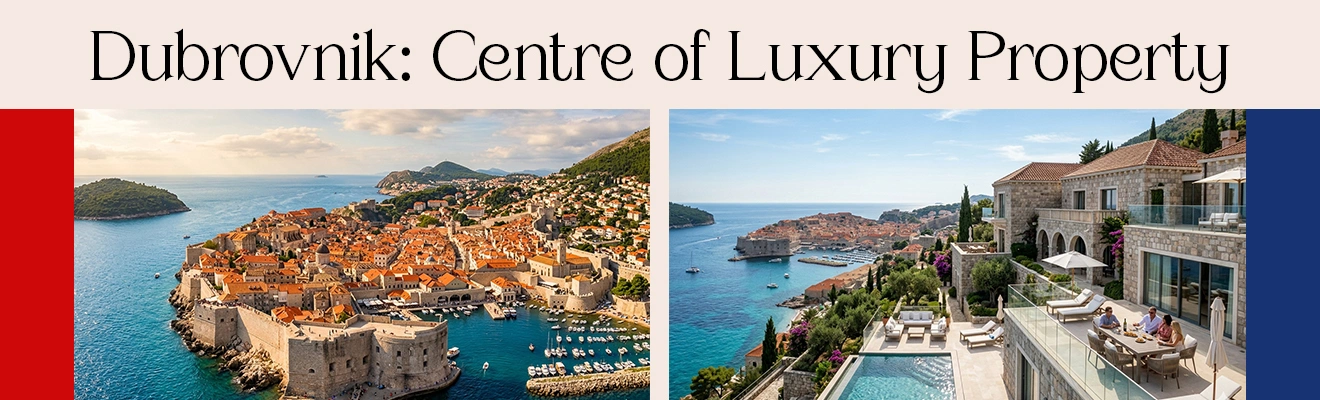
Dubrovnik has positioned itself as a luxury base of property with the real estate market being dominated by the world demand, the scarcity of the coastal source, and its reputation as a destination site in UNESCO. By 2026, real estate prices are considered to be among the most expensive in Croatia, totalling to €4,500 and €5,100 per square meter, but prime locations in the Old Town and the seashores can rise to over €7,000 per square meter. The cost of luxury property usually starts at 600,000 and can go higher to 2-5 million dollars to purchase luxurious villas and historic houses, a feature that depicts high demand in the international clientele that needs luxurious living standards. Dubrovnik is another city that experiences high-value appreciation, as it has strong construction guidelines, tourism, and long-term foreign investment.
(Source)
4. Rijeka: The Influence of Urban Market
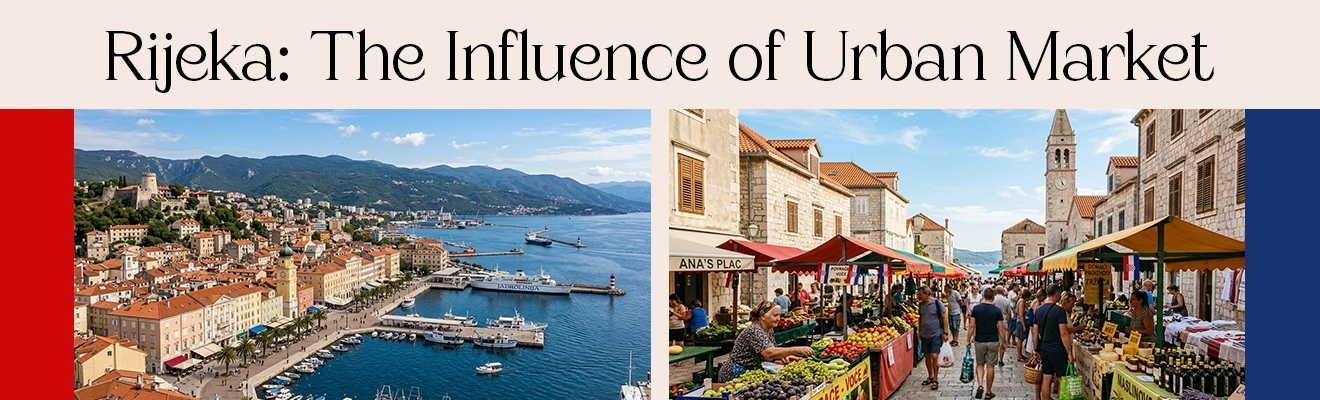
Yet another rapidly emerging urban real estate market, Rijeka offers strong growth potential at a comparatively affordable price. As of 2026, the property prices have seen a rise up to €3,500 per square meter, recording an annual growth of about 12%; a rising demand and investor interest. (Source)
As infrastructure is developed in a progressive manner, a new tech and logistics scene is developed, and the attraction to young professionals and remote workers grows, Rijeka is leading the pack as a high-growth, value-focused investment destination in the burgeoning Croatia real estate market.
5. Zadar: Where Tourism Meets Growth
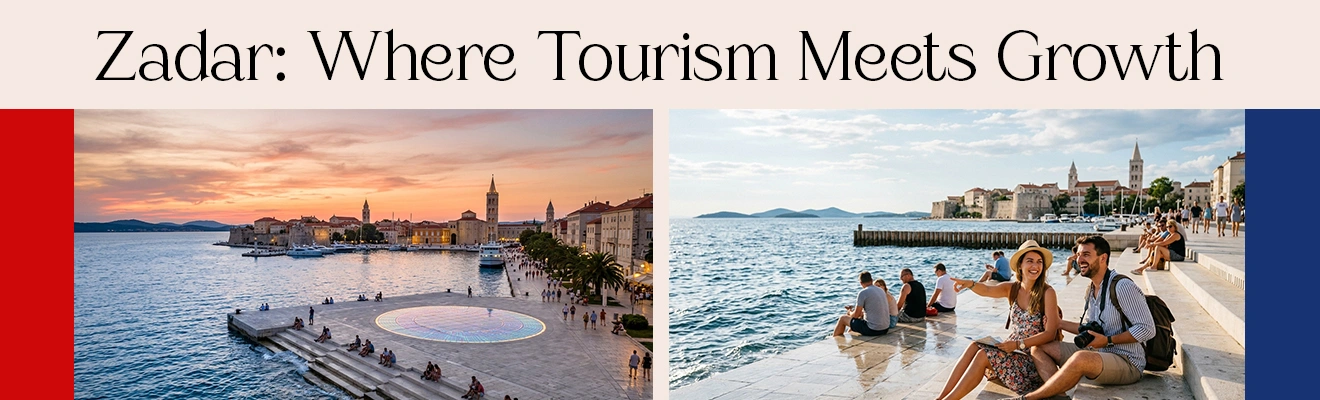
Zadar is said to be a star in the Croatia real estate market, owing to the high tourism expansions, which directly link to create this property demand and subsequent rise in prices. 2026 marks an average of property prices hovering roughly at €3,500–€4,000 per square meter, with an annual growth of about 10%; thus, expect an increasing investor interest in coastal living and rental income opportunities.
Sustained by inflating infrastructure, lifestyle appeal, and stable tourist inflow, Zadar is a perfect amalgam of affordability and growth.
6. Pula: Istria’s Emerging Star
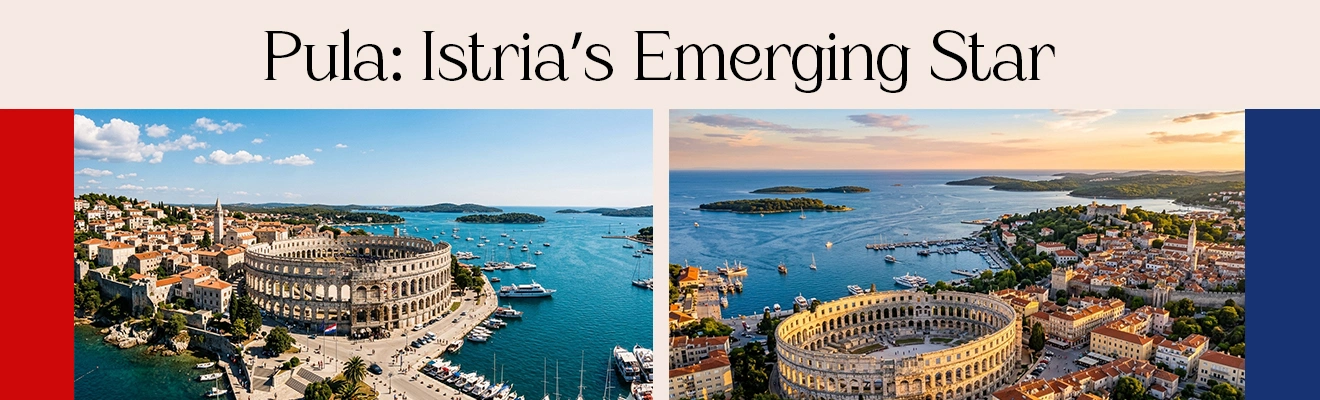
The place is popularly attracting attention in the Croatia real estate market, kudos to its exceptional mix of Roman heritage, coastal beauty, and evolving tourism appeal. Since more international buyers seek beyond hotspots such as Dubrovnik and Split, Pula delivers relatively lower property prices with sturdy rent-yielding potential. Rising tourist footfall, infrastructure enhancements, and an augmented interest in vacation homes are fueling steady price growth, making it a powerful investment hotbed in Istria.
7. Rovinj: Premium Coastal Residence
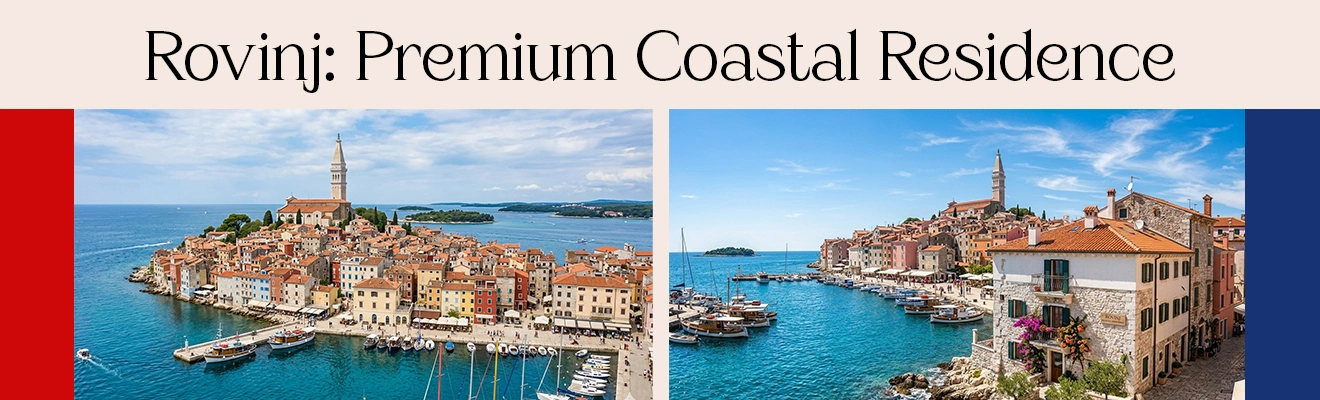
The city stands out ot be one of the most sought-after and high-end value real estate markets in Croatia. Due to its high demand across the world, limited housing stock, and the fact that it is luxurious and located on the coastline, property prices here range among the highest in the country, often surpassing €5,000 per m². (Source)
With meager development space and emerging interest in second homes plus luxury villas, Rovinj has been successful in positioning itself as a premium investment destination in the Croatia real estate market.
8. Osijek: Affordable and Accessible Growth Market
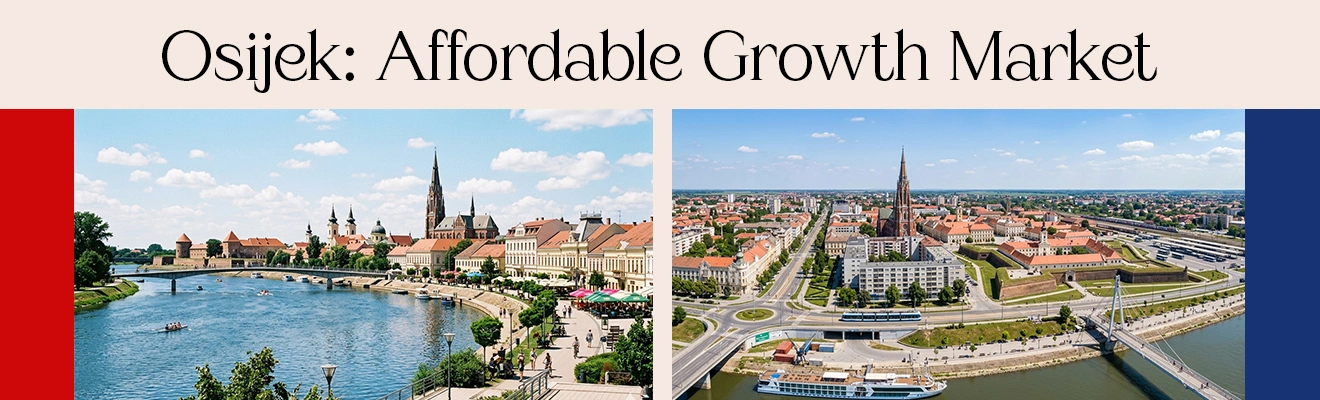
Osijek is a promising place in Croatia’s real estate landscape. Specifically for investors looking for value-led opportunities. In contrast to coastal cities, Osijek delivers essentially lower property prices: at an average of about €2,000 per m², yet recording steady annual growth and increasing rental demand. (Source)
With the strong university presence, enhanced infrastructure, and rising domestic and foreign interest, the city of Osijeck is experiencing gradual price appreciation and novel development projects.
9. Šibenik: Underestimated Coastal Gem

Šibenik is strongly rising as a contender in Croatia real estate market, with a perfect balance of growth potential and affordability. Šibenik deliver comparatively lower entry prices; an average of about €3,500 per m² in 2026, also displaying consistent growth year-on-year.
The rising popularity is generated by increasing tourism, proximity to natural attractions such as Krka National Park, followed by increasing demand for second homes and rental properties.
10. Poreč: Profitable Market
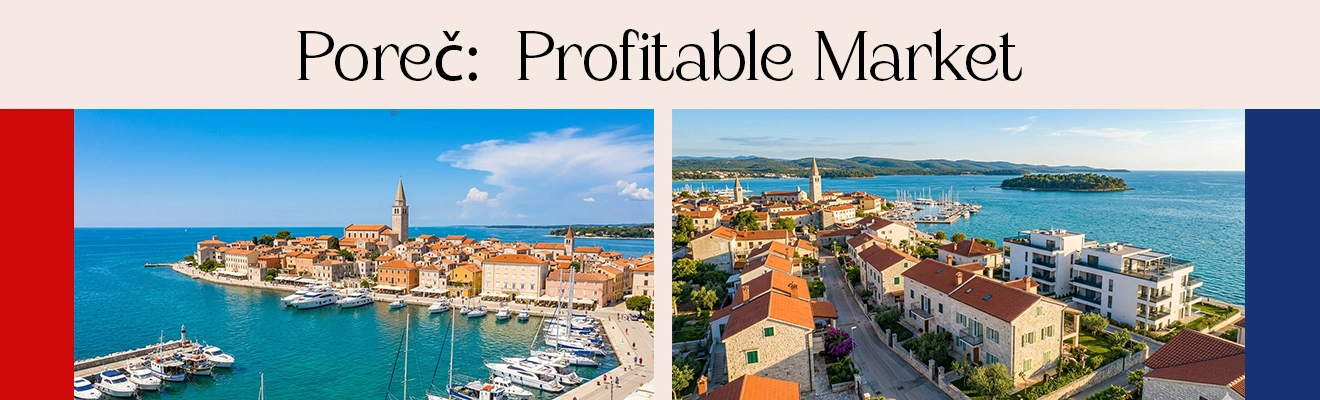
The city continues to stand apart as a reliable performer in Croatia real estate sector, kudos to the consistent demand and balanced price growth. With an average property price marking roughly at €3,900–€4,100 per m² in 2026, the city mirrors both stability and balanced appreciation in concord with wider coastal trends.
The infrastructure, which has been well developed, the livability per annum, and a solid tourism foundation are sure to generate high occupancy rates and attractive rental incomes.
Should 2026 be the Year to Invest in Croatia Real Estate Market?
Surely, 2026 will remain a good time as it is due to:
1. Steady Price Appreciation
Prices of property are also continuing to increase in the metropolises such as Dubrovnik and Split, but at a more sustainable pace.
2. Demand vs Supply Hole
Buyer demand, particularly from international investors, continues to overshadow the limited housing supply.
3. Tourism-Oriented Returns
The successful tourism industry in Croatia supports the high rent rates, namely on the coasts of Istria and Dalmatia.
4. Future Investment Potential
Supported by the EU, infrastructure upgrades, and inflating global interest, Croatia continues to be a secure and attractive real estate destination in 2026.
In the End;
The real estate market in Croatia in 2026 is an excellent combination of opportunity and growth. Each and every city, starting with the colourful capital of Zagreb, and continuing to the luxurious coastline of Dubrovnik, and the emerging markets of Rijeka and Osijek, has incredible investment potential and opportunities.
If you wish to invest, emphasizing high-demand urban and coastal regions will yield the best possible returns. With stable price growth, a sturdy tourism base, and an emerging international interest, Croatia continues to be Europe’s most attractive and promising real estate market.
For more such data-driven insights and expert analysis on global real estate trends, get in touch with Insights Kolekr today. Our goal is to assist the investor, entrepreneurs and readers to make informed and analytical conclusions using content that is reliable and attractive to the current market dynamics.