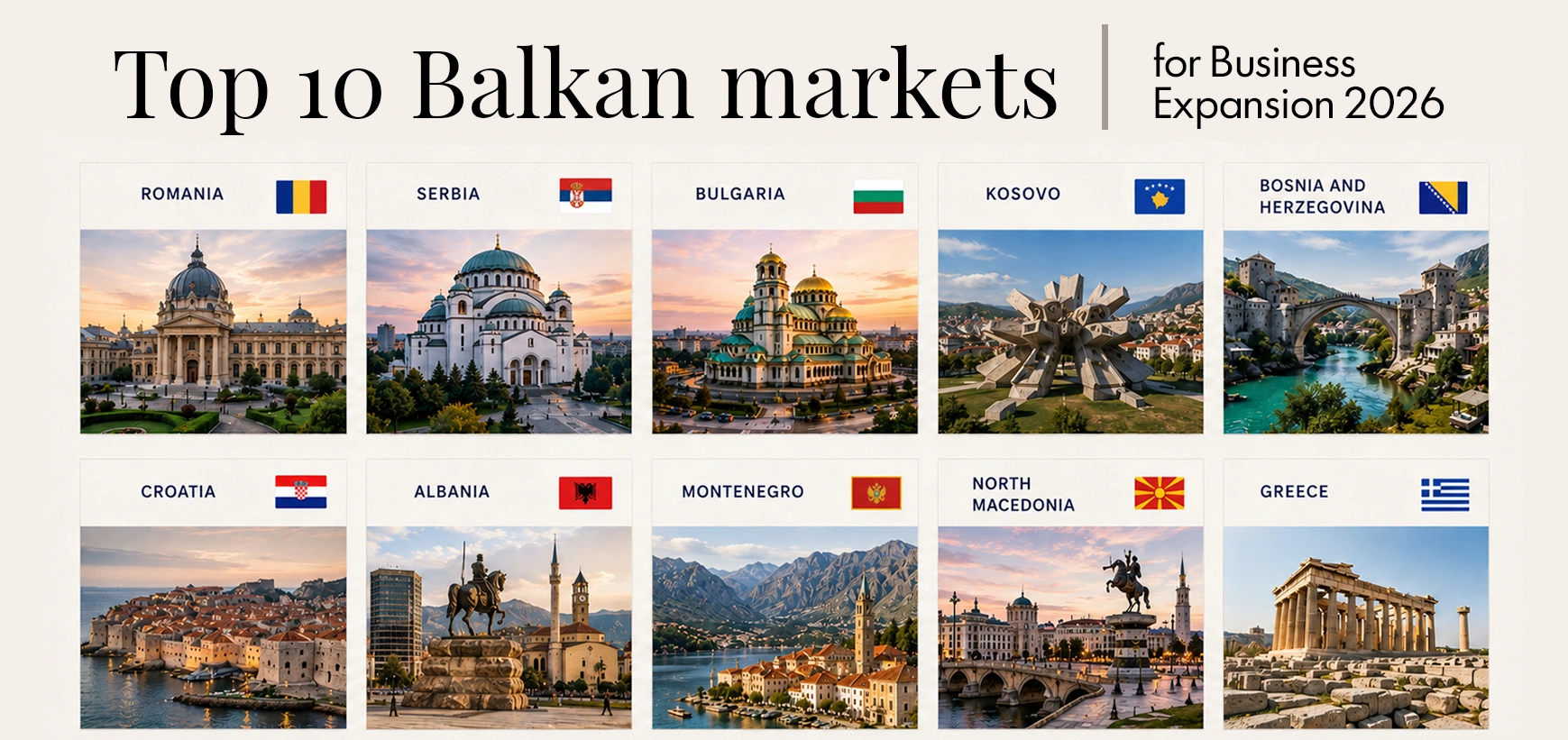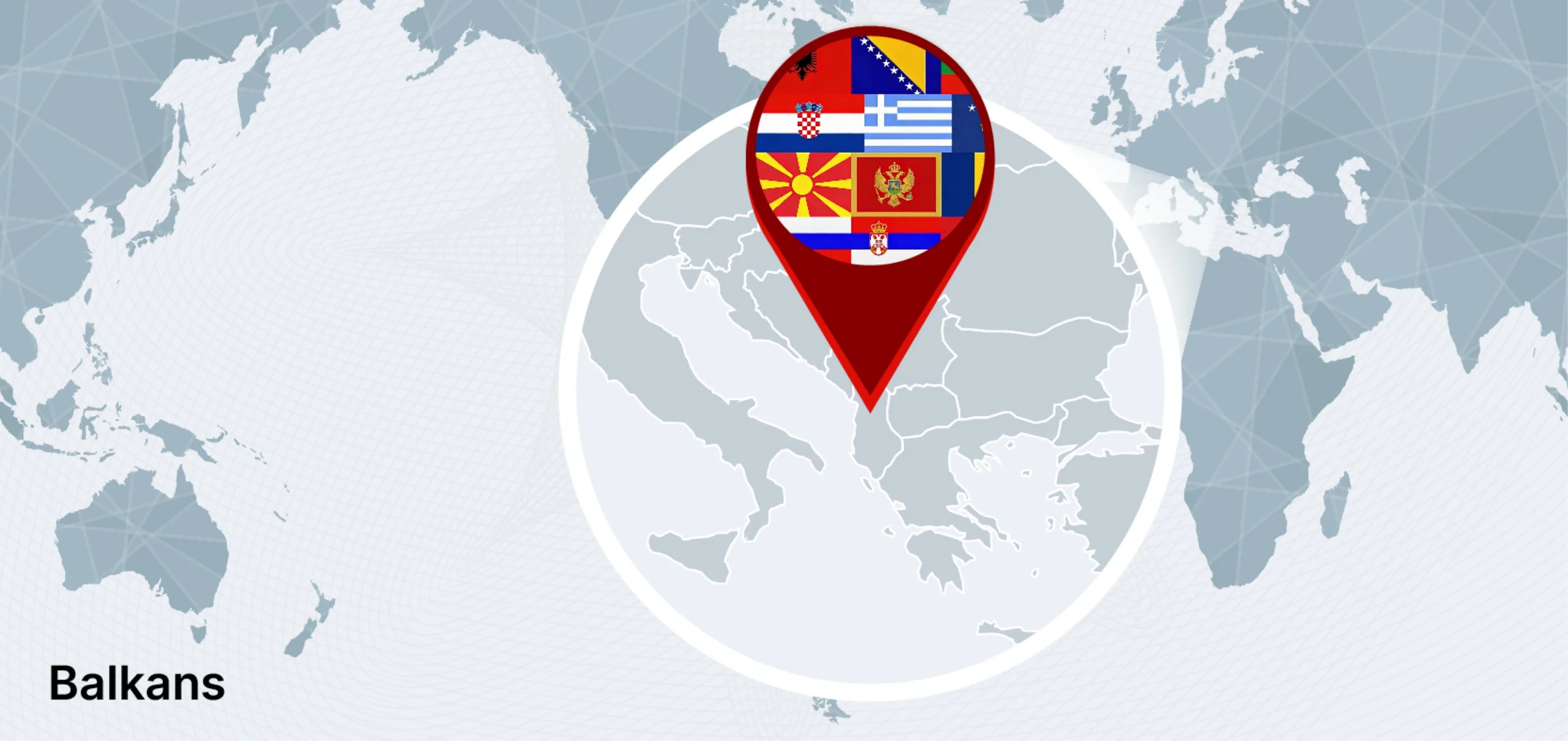
The region of the Balkans is expeditiously shedding its former reputation for instability, evolving rather as one of Europe’s most robust economic frontiers. In 2026, the region is surmounting the wider European Union, with an estimated growth rate of about 3.8%. This emergence is driven by a strategic “perform storm” of premium foreign direct investment, a great surge in international tourism, and combative infrastructure projects such as Serbia’s Expo 2027 preparation.
Since Western European markets encounter stagnation, the Balkans deliver a high-growth potential, led by a young, tech-savvy working population and a deep-rooted incorporation into global supply chains.
This particular transformation is supported by essential structural reforms and a paradigm shift toward state-of-the-art industries, specifically in the ICT and renewable energy sectors. Countries of Kosovo and Bosnia and Herzegovina are witnessing the finest private investment levels; at the same time, regional biggies of Romania and Serbia persist to modernize their industrial headquarters.
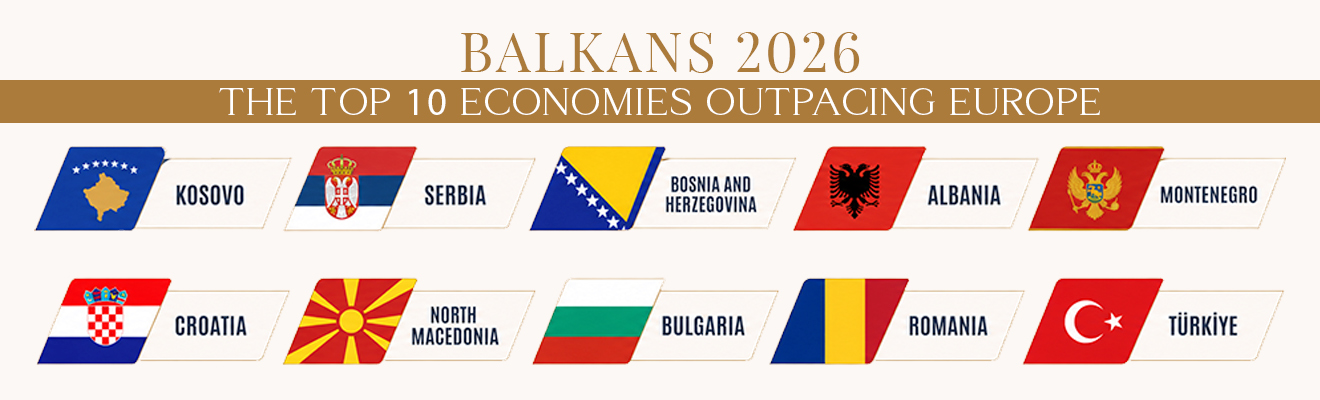
This blog post from Insights Kolekr offers an in-depth analysis of the top 10 Balkan economies’ growth leading this change in 2026.
1. Kosovo: The Development Leader
One of the Western Balkan Countries Economic Growth area, Kosovo, is projected to keep up with the steady GDP expansion of about 4.0% in 2026. This performance is supported by an increase in investment activity, with gross capital formation rationalizing about 35.4% of Nominal GDP, mainly supported by steady foreign direct investment and a sturdy migration that has a share of about 12% of GDP in remittances.
The year 2026 is further strengthened by a living service sector and vital energy reforms, like the Energy Efficiency Program, making certain that Kosovo remains the main accelerator of Western Balkan Countries’ Economic Growth and regional industrial development.
2. Serbia: The Industrial Powerhouse
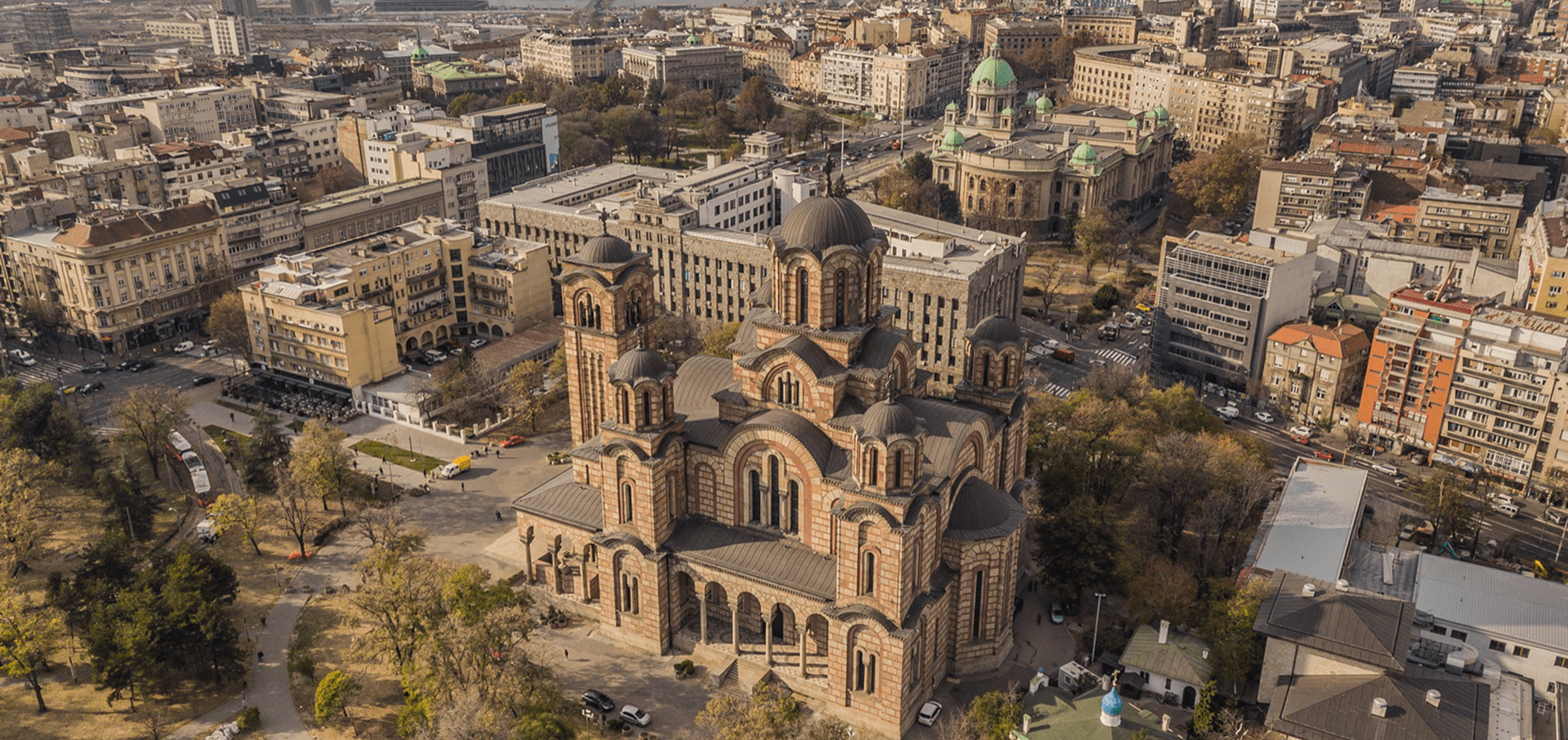
As a vital pillar of the Western Balkan Countries’ Economic Growth, Serbia is likely to maintain a sturdy 4.0% GDP expansion in 2026, driven by a major “Leap into the Future” initiative.
This program supports investment of about 24.2% of GDP in preparation for Expo 2027, at the same time, the highflier ICT sector: boasting exports valued at $4.4 billion, coagulates Serbia’s role as the country’s principal industrial digital engine.
3. Bosnia and Herzegovina: Streamlined Infrastructure Development
As another essential contributor to Balkans economic growth, Bosnia and Herzegovina is likely to attain a dynamic 3.9% growth rate in 2026. This expansion is sustained by a stable boost in investment, recording up to 24.7% of GDP, principally triggered by renewable energy projects and essential road infrastructure developments under the Growth Plan for the Western Balkans.
The 2026 perspective is also underpinned by increased industrial output and deep integration into the EU single-market value chains, positioning Bosnia and Herzegovina as a key player in the region’s economic success.
4. Albania: The Tourism Dynamo
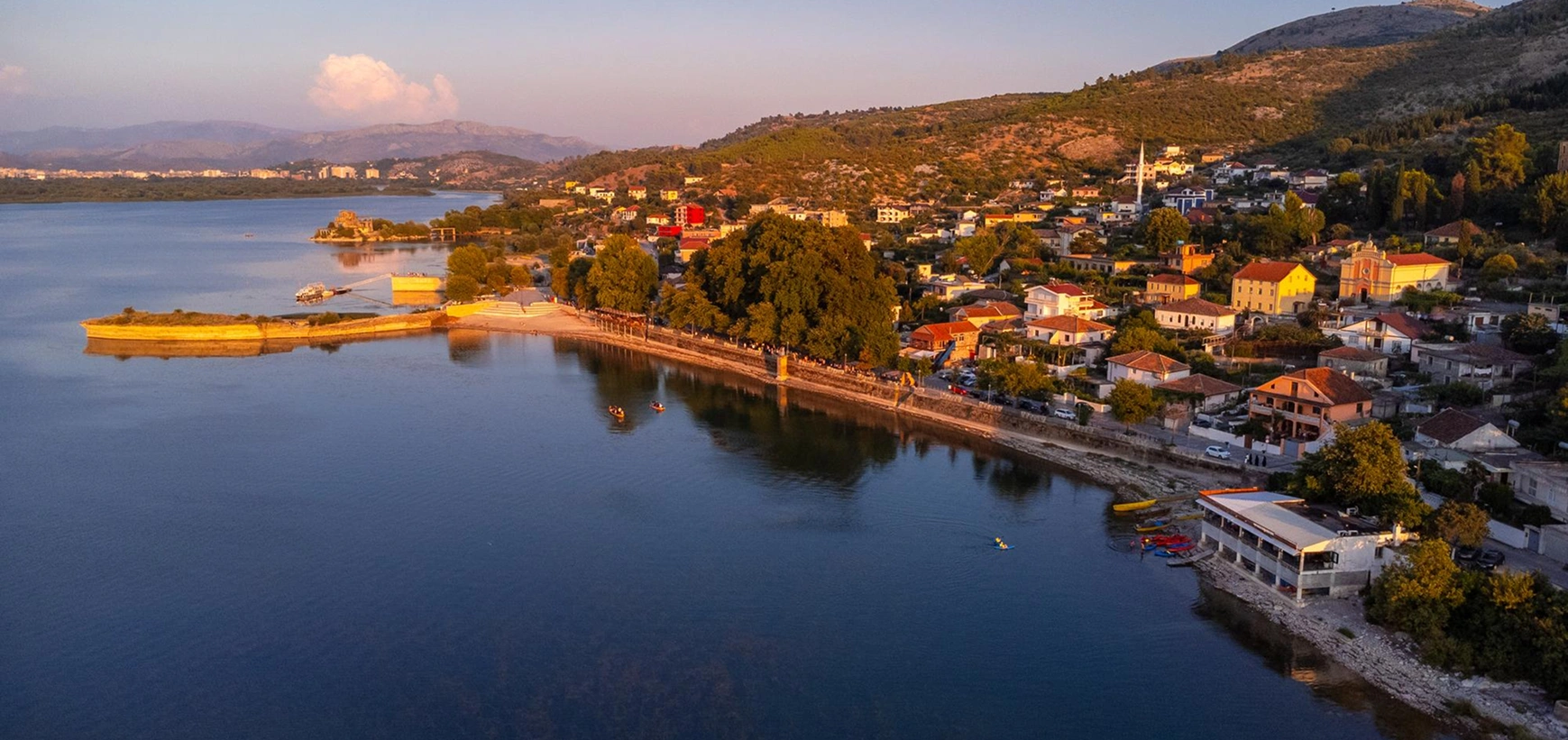
Albania is proving its reputation as a leading Mediterranean travel hotspot, with a projected expansion of 3.4% in 2026. The country’s nominal GDP has increased to about $30 billion, about a fourfold boost over the last two decades, fueled by a harmonized boom in international tourism and massive construction projects.
Looking forward to 2026, the strategy remains around an aggressive urban development in Tirana and advancing coastal infrastructure to sustain emerging visitor numbers, making certain Albania keeps up with the high-growth leader in the nation’s tourism and real estate segments.
5. Montenegro: Invaluable Investment
Montenegro is a standout performer, with its economy estimated to expand by 3.2% in 2026. However, the nation has witnessed historic investment pinnacles as high as 29.2% of GDP, and it has transformed to a more sustainable and mature investment share of about 20.2%, focusing on high-value luxury tourism and renewable energy initiatives.
The year 2026 looks promising for Montenegro due to the scheduled completion of vital sectors of the Bar-Boljare highway, a gigantic infrastructure project likely to lower transport costs and incorporate Montenegro more deeply into regional trade networks.
6. Croatia: Comprehensive EU Stability
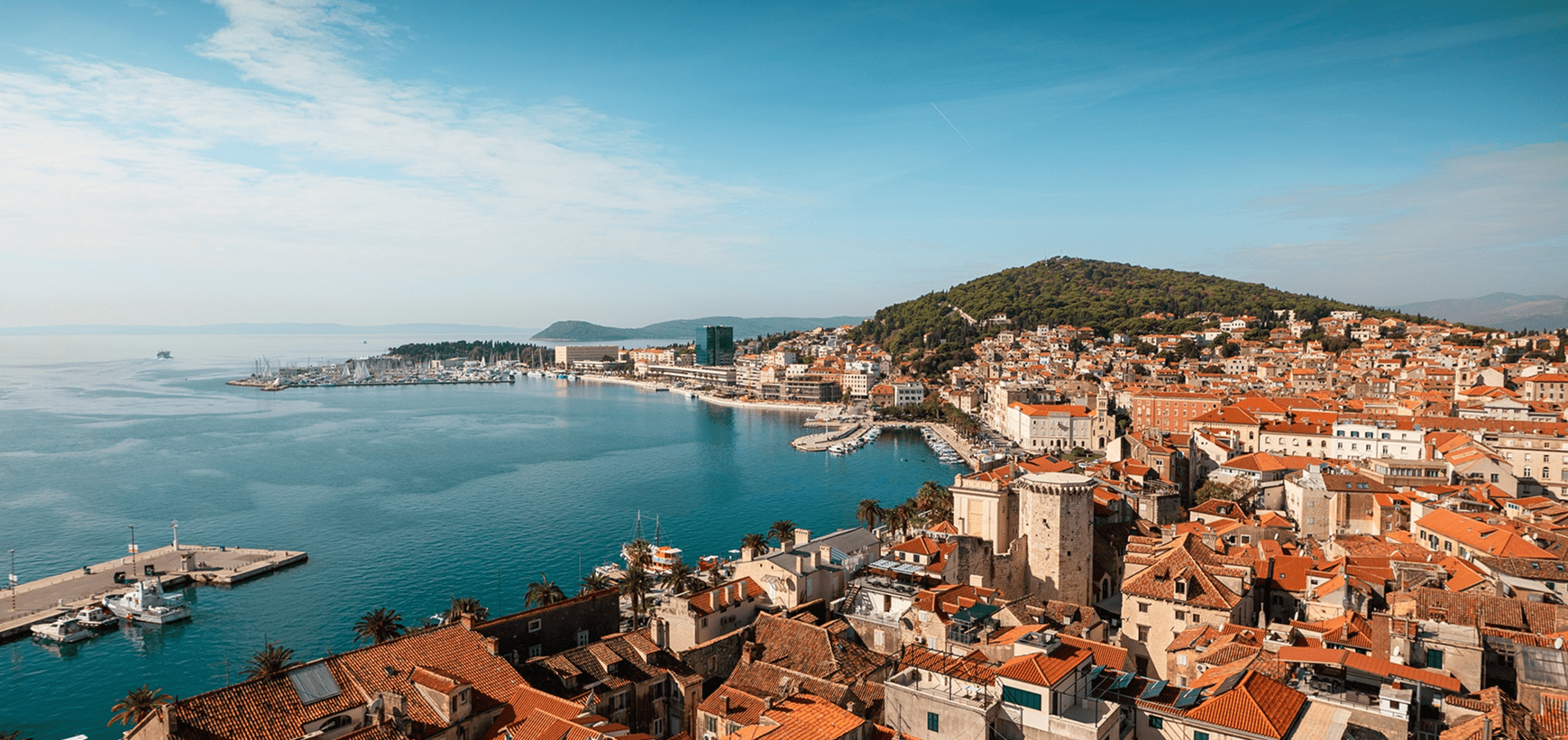
As a principal member of the European Union, Croatia is likely to contribute a steady 2.7%- 2.9% expansion in 2026. Croatia’s nominal GDP will exceed $113 billion, depicting one of the highest per capita income levels in the region at about $29,370, sustained by stability yielded by Eurozone and Schengen membership.
The country benefits from persistent employment of EU Recovery and Resilience Facility (RRF) funds and massive investment in post-earthquake reconstructions, which will support the nation’s economic stability, while the government maintains a focus on fiscal prudence and debt elimination.
7. North Macedonia: Global Marketplace
North Macedonia is busy solidifying its role as a major trade hub, with a prediction of about 3.0% growth, contributing to the overall stability of Western Balkan Countries’ Economic Growth. The nation is known for its stunningly balanced economic structure, wherein employment levels and GVA (Gross Value Added) are closely associated at about 6.6%- 6.9%, signalling effective labour employment throughout the sector.
Moving further, the country’s economic outlook is secured by an expanding automotive element, manufacturing sector, and an axis toward sustainable energy initiatives, making certain North Macedonia remains a key and resilient association in the regional supply chain.
8. Bulgaria: Tech and Industrial Proficiency
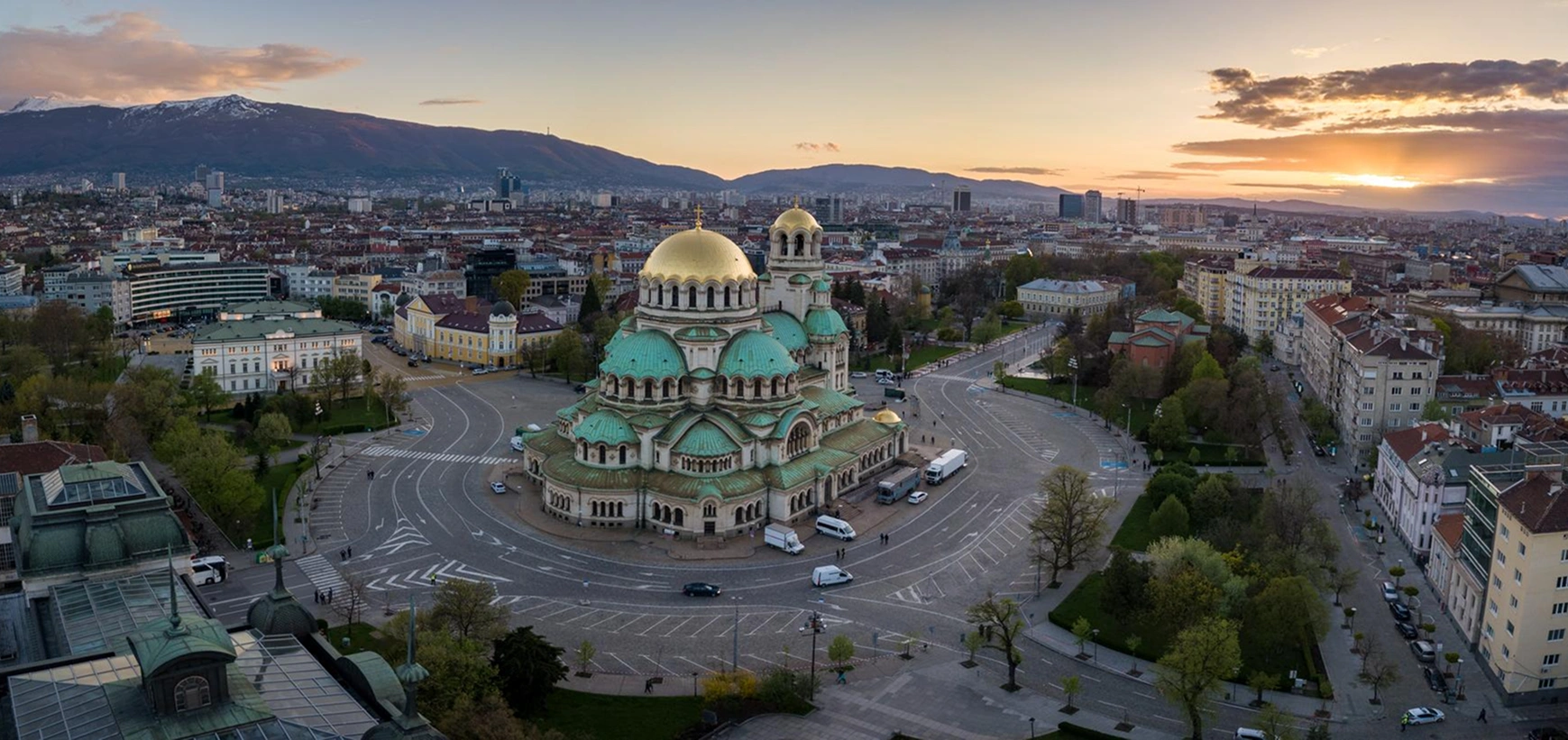
Bulgaria is a major player with an estimated expansion of about 2.6-3.1% in 2026. The region’s nominal GDP is expected to evolve from $120 billion in 2025 to roughly $142 billion in 2026, followed by the capital, Sofia, positioning the region as Europe’s premier tech and startup hubs, having a fair share in the country’s ICT market of about $8.77 billion.
The nation is fundamentally shaped by its former adoption of the Euro on January 1st, 2026, a landmark anticipated to reduce currency risks, minimise transaction costs for nearly as 70% of ICT companies that are export-driven, and accelerate future institutional reforms to incorporate Bulgaria into the European economic framework.
9. Romania: The Digital Herculean
Romania is steadily establishing itself as a regional economic powerhouse, with its nominal GDP estimated to reach about $444 billion in 2026. Being the second-largest economy in the Balkan region, it has employed its high-income reputation to lure an elite talent pool in IT and finance by providing the region’s most competitive wages, with an average gross monthly pay of about €1,867.
Besides, this perseverance is supported by a gigantic influx of EU modernization funds and a comprehensive industrial base that continues to accelerate export growth and digital innovation.
10. Türkiye (Turkey): Regional Tycoon
As the region’s biggest economy and a G20 member, Türkiye continues to be a heavyweight with a nominal GDP of about $1.58 trillion.
The region is expected to become a global energy and industrial hub; vital development consists of the anticipated commercial production from the Akkuyu Nuclear Power Plant, manifold output from the Sakarya gas field, followed by a giant expansion in renewable capacity to live up to the EU Carbon Border Adjustment Mechanism standards.
These particular initiatives focusing on high-tech manufacturing and defence place Türkiye as a vital bridge for global trade and a frontrunner in the region’s green transition.
2026 Balkan Economic Growth Forecast Summary
| Country | 2026 GDP Growth (Proj.) | Nominal GDP (2026 Est.) | Key Driver |
| Kosovo | 4.0% | $14 Billion | Private Investment |
| Serbia | 4.0% | $112 Billion | Expo 2027 Infrastructure |
| Bosnia & Herzegovina | 3.9% | $30 Billion | Renewables & Manufacturing |
| Albania | 3.4% | $30 Billion | Tourism & Construction |
| Montenegro | 3.2% | $9 Billion | Real Estate & High-end Tourism |
| Croatia | 3.05% | $110 Billion | EU Integration & GFCF |
| North Macedonia | 3.0% | $16 Billion | Trade Logistics |
| Bulgaria | 2.2% | $120 Billion | ICT & Innovation |
| Romania | 2.0% | $400 Billion | IT Exports & Industrial GVA |
| Türkiye | ~2.5% | $1.5 Trillion | Strategic Trade & Manufacturing |
In Summary
The economic landscape of the Balkan region depicts a moment of essential structural change and high-growth potential. Fueled by the European Commission’s Growth Plan, which provides up to €6 billion specific to performance-based funding through 2027, the region is expected to close its convergence gap with the European Union.
However, the traditional segments such as tourism and construction continue to be foundational; the shift toward digital transformation and renewable energy is now the principal engine enabling long-term stability.
From Romania’s high-tech influence to Kosovo’s investment-oriented surge, the Balkans have transformed from an emerging frontier into a competitive hub for global trade and innovation.
This analysis provided by Isnights Kolekr shows that there is an area that has evolved from conventional brewing activities into an approach that looks towards prosperity based on sustainability in the current developed economy.