






Who Were the Ancient Dacians?
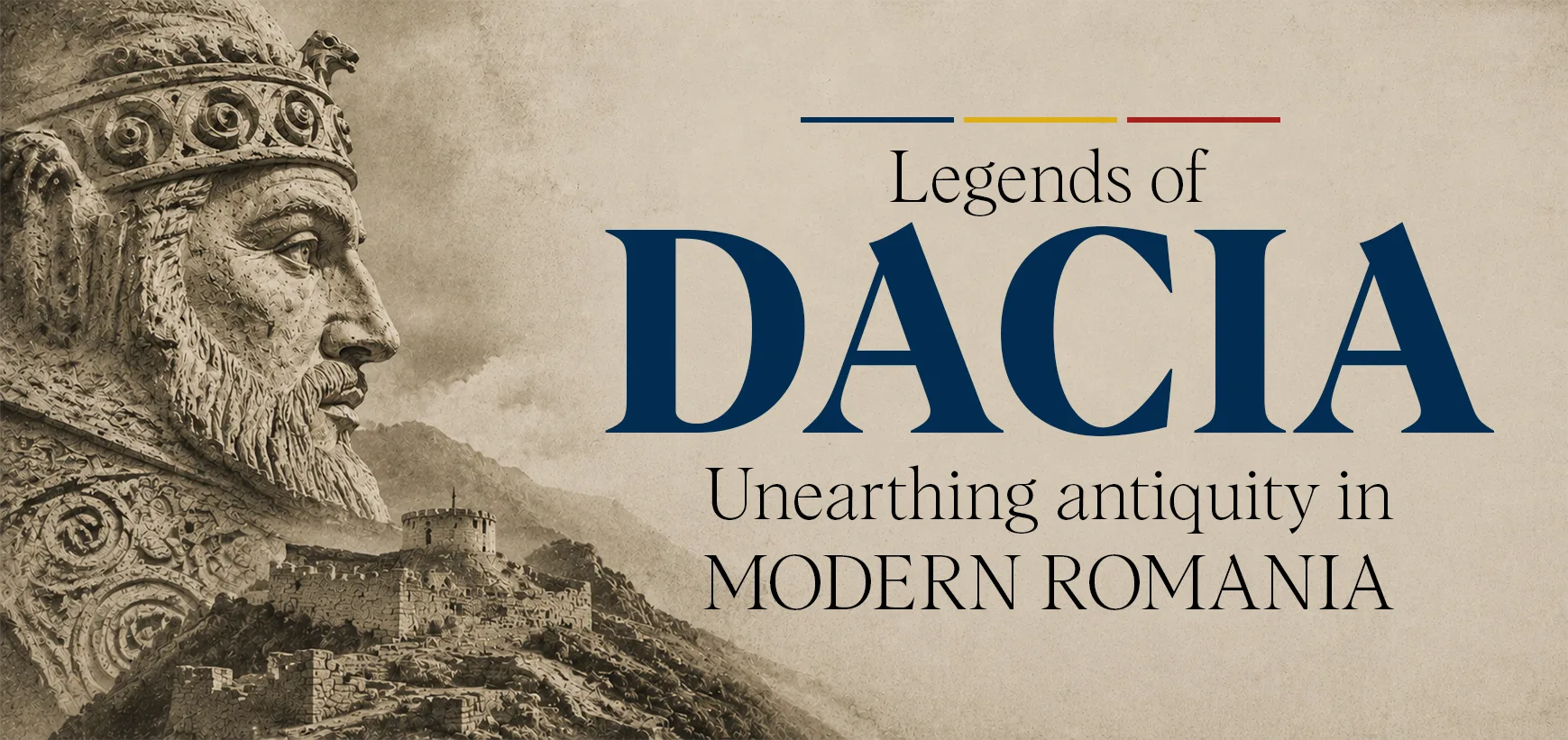
History has seen the ancient Dacians as one of the most intriguing civilizations of Eastern Europe. With a reputation for resisting the Roman Empire and having very strong religious beliefs, the Dacians still influence Romanian cultural identity even in the present day. The popularity of learning about Dacians in Romania is soaring, and this is evident from the number of young people interested in Dacians.
In Insights Kolekr, we examine the relationship between history, identity, and culture in our contemporary world. The interest in Dacians in Romania is an excellent illustration of the impact of ancient civilizations on modern nations.
1. Origin and History of the Dacian Civilization
The Dacians were an ancient tribe of people from the present-day Romania and Moldova territories. The Dacians belong to a wider group of Thracian nations and were able to establish a well-developed civilization during the 1st century BC till 2nd century AD. The Dacian civilization was advanced and included agriculture, trade systems, metallurgy, and fortified settlements in the mountains.
The Dacians had special tactics in the art of war and were able to unite different tribes with great rulers. The culture of the Dacians is marked by its warrior nature, spirituality, and community rituals.
2. The Dacian Kingdom and Its Influence in Ancient Europe
Under the influence of King Burebista and later King Decebalus, the Dacian Kingdom became a leading regional power. The kingdom stretched across large territories and developed powerful economic ties through gold mining and trade.
Historical accounts paint the Dacians as brave soldiers and skilled riders. They had great strategic placement since their location allowed them to control the political and economic evolution in their environment.
3. Dacians vs Romans: The Historical Conflict
Among the key events in ancient Dacians in modern Romania was the fight between the people and the Roman Empire. The Roman Emperor Trajan fought against the Dacians from 101 to 102 AD and from 105 to 106 AD. As a result of the bloody fights, the Romans won Dacia, thus introducing Roman culture there.
Fights with the Roman Empire were important events for the Dacians, which are commemorated to this day with numerous art objects, movies, festivals, etc.

Why are the Dacians Becoming Popular Again in Modern Romania?
Curiosity in ancient Dacians in modern Romania has manifold significantly over the past decade. A lot of Romanians are reconsidering Dacian history Romania to better understand their national identity and historical roots.
1. Emergence of Romanian National Pride
As globalisation became more prominent, most Romanians sought cultural authenticity and historical continuity. Independence, resiliency, and heritage are the essence of the Dacians. Therefore, embracing Dacian culture within Romania is a better way for celebrating their singularity.
The following evidence shows how cultural pride is becoming widespread across different mediums.
2. The Role of Social Media and Popular Culture
Social media has greatly contributed to the growing popularity of Dacian mythology and history. Countless videos showcasing Dacian warriors, ancient rituals, and archaeological findings draw millions of viewers on social networks.
Many contemporary Romanian creators use Dacian themes in various forms of artistic expression. Digital culture has thus revived the interest in a civilization that had been mainly discussed academically up until recently.
3. The Appeal of Ancestral Traditions and Ancient Civilizations to Younger Generations
Young Romanians have become increasingly interested in ancestral traditions and unknown myths and legends. Many perceive the Dacians as symbols of strength and authenticity in a dramatically changing world.
Educational tours, cultural workshops, and online communities committed to Dacian civilizations are helping younger generations involve with their heritage in fresh and innovative ways.
How Ancient Dacian Culture is Reinterpreted Today
Modern Romania has transitioned from ancient Dacian imagery into a robust cultural movement.
1. Dacian Symbols in Fashion, Art, and Branding
The Draco flag, wolf motifs, as well as various geometric forms from Dacian civilization, are now part of Romanian fashion, tattoo art, logos, and handicrafts. Several Romanian labels incorporate Dacian-inspired elements in their creations to express Romanian culture and national pride.
Incorporating Dacian heritage into contemporary creations by blending Dacian motifs with contemporary styles results in a culturally rich design language.
2. Historical Reenactments and Dacian Festivals
Throughout Romania, historical reenactment festivals recreate Dacian battles, rituals, and routine life. Participants put on traditional armour and costumes while depicting ancient crafts and combat techniques.
These particular events attract both locals and international tourists interested in Dacian history Romania, and ancient European civilizations.
3. The Role of Museums and Heritage Tourism
Museums and archaeological sites have turned into important parts of Romania’s heritage tourism industry. Visitors are welcomed at sites of ancient ruins, artifacts, and interactive exhibits portraying the history of Dacian civilisation.
Tourism campaigns significantly highlight the Dacians as an exceptional part of Romania’s cultural identity and historical narrative.
Dacian Mythology and Spiritual Beliefs
One of the most interesting facets of Dacian culture in Romania is its mythology and spiritual traditions.
1. The Legend of Zalmoxis and Ancient Spiritual Practices
The chief god in the pantheon of Dacian mythology was known as Zalmoxis, who was supposed to grant people eternal life and knowledge of spiritualism.
In modern times, Zalmoxis has emerged as a very potent symbol in the discourse on Romanian culture.
2. Myths and Folklore Surrounding the Dacians
Legends about hidden treasures, sacred mountains, and mystical warriors keep inspiring Romanian folklore. Such myths merge reality with fantasy, creating a unique connection between the past and the present.
3. How Myths Shape Modern Identity
Myths from Dacian mythology help in shaping Romanian identity today through narratives of bravery, endurance, and tradition. These myths create opportunities for people to identify with the traditions of their ancestors.
At Insights Kolekr, we strive to reveal how societies rewrite ancient history to create significance in the modern era.
Debates and Controversies Regarding Dacian Civilization
Although they are becoming increasingly common topics, debates about the Dacians remain controversial.
1. Historical Facts VS Nationalist Views
Nationalists often distort historical facts by exaggerating the contributions of the Dacians to global history. Historians warn against making myths out of pride.
2. Academic Criticism of Dacian Mythologizing
Scholars focus on the importance of separating archaeology from political narratives. While Dacian heritage is precious, experts debate that balanced historical research is the key.
3. The Impact of Political and Cultural Movements
Political and cultural movements at times use Dacian symbolism to encourage identity-based ideologies. This has triggered debates about how history should be interpreted in modern Romania.
Top Dacian Heritage Sites to Visit in Romania
Romania delivers numerous remarkable sites connected to Dacian civilization.
1. Sarmizegetusa Regia and UNESCO Heritage Sites
Sarmizegetusa Regia, the ancient Dacian capital, is among Romania’s most essential archaeological treasures. Situated in the Orăștie Mountains, it’s a part of a UNESCO World Heritage Site.
2. Dacian Forstress in the Orăștie Mountains
These fortifications illustrate a high level of technical expertise and strategy in warfare. They still represent a major tourist attraction for fans of history.
3. Museums and Archaeological Attractions Across Romania
Museums in urban centres such as Bucharest and Cluj-Napoca exhibit objects from Dacia, including Dacian tools, weapons, and jewellery used in everyday life.
How Ancient Dacian Identity Influences Modern Romania Today
The influence of Dacians, an ancient civilization, on present-day Romania goes beyond history books.
1. Influence of Dacians in Romanian Tourism and Media
The media is increasingly focusing on Dacians and their culture. This trend will aid Romania in projecting its cultural identity to the world.
2. Identity and Cultural Branding
Symbols and elements from the Dacian civilization are currently being used by Romania for its cultural branding.
3. Dacian Heritage in Romania: The Future
With further developments in archaeology and digital storytelling, the Dacian heritage in Romania is expected to retain its significance as an essential aspect of Romania’s identity for years to come.
Conclusion
1. Why the Ancient Dacians Remain Relevant in Today’s Romania
The ancient Dacians will always be considered strong examples of tenacity and spirituality in culture. They have continued to influence many Romanians who are eager to reconnect with their roots.
2. Striking a Balance Between Myths, Truth, and History
Contemporary Romania has struggled with maintaining the right balance between history and myth. However, no matter how Romania portrays the Dacians, it will never cease to be unique.
It is quite fascinating how all the discussions of civilizations and modernity on forums such as Insights Kolekr serve only to demonstrate that history determines the present.