Geopolitical uncertainty has left many EU citizens wanting more of their union, new eurobarometer figures reveal.
 Gaia Neiman



The EU’s latest study found that 90 percent of Europeans hope for a more united front in facing global challenges, while almost half of those surveyed expressed a state of uncertainty in the current climate.
Conducted during times of conflict between the US and the Middle East, the European Parliament’s survey published on Wednesday (1 July) shed light on a general state of tension throughout the continent.
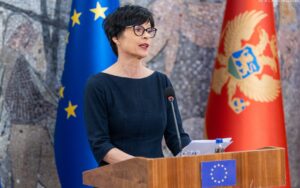
“To strengthen the EU’s position in the world, citizens wanted to focus primarily on defence and security,” said European Parliament spokesperson Delphine Colard on Tuesday, presenting the report.
Despite indications of crisis, “74 percent of the Europeans view European membership as beneficial, equalling in an all-time high,” said Colard, with reference to data that has only indicated a growth in the public’s favourable opinion of the EU since 2013.
The survey looked at the perceived priorities, expectations, and standard of living of European residents, highlighting general stability throughout the bloc.
The decreasing rate of euroscepticism represents an important win over nationalist narratives dominating many upcoming elections, with French far-right National Rally candidate Jordan Bardella promising to halve France’s EU budget, if he wins the presidency next year.
Three-in-four members of the European public also indicated a need for greater means to face up to current global challenges, ahead of discussions of a limited EU budget (known as the Multi-annual Financial Framework) for the next seven years starting from 2028.
“The results are stable compared to last [survey], and they’re also the majority view in all member states,” a Parliament spokesperson told reporters.
Despite engagement rates decreasing among young people in the EU, the survey noted a trend wherein “young people continue to be among the more enthusiastic supporters of the EU, and they have also higher expectations regarding its role.”
Those aged 15-24 were indeed much more likely to declare a high quality of life, with 80 percent of those aged above 55 denoting a satisfied quality of life compared to 92 percent from their younger counterparts.