Job vacancies available across the UK dropped again, official data revealed, posing a further risk for Britons out of work. The Office for National Statistics said the number of job vacancies fell by 19,000 between March and May. The unemployment rate dropped to 4.9 per cent per cent compared to
 Mauricio Alencar



Thursday 18 June 2026 7:21 am
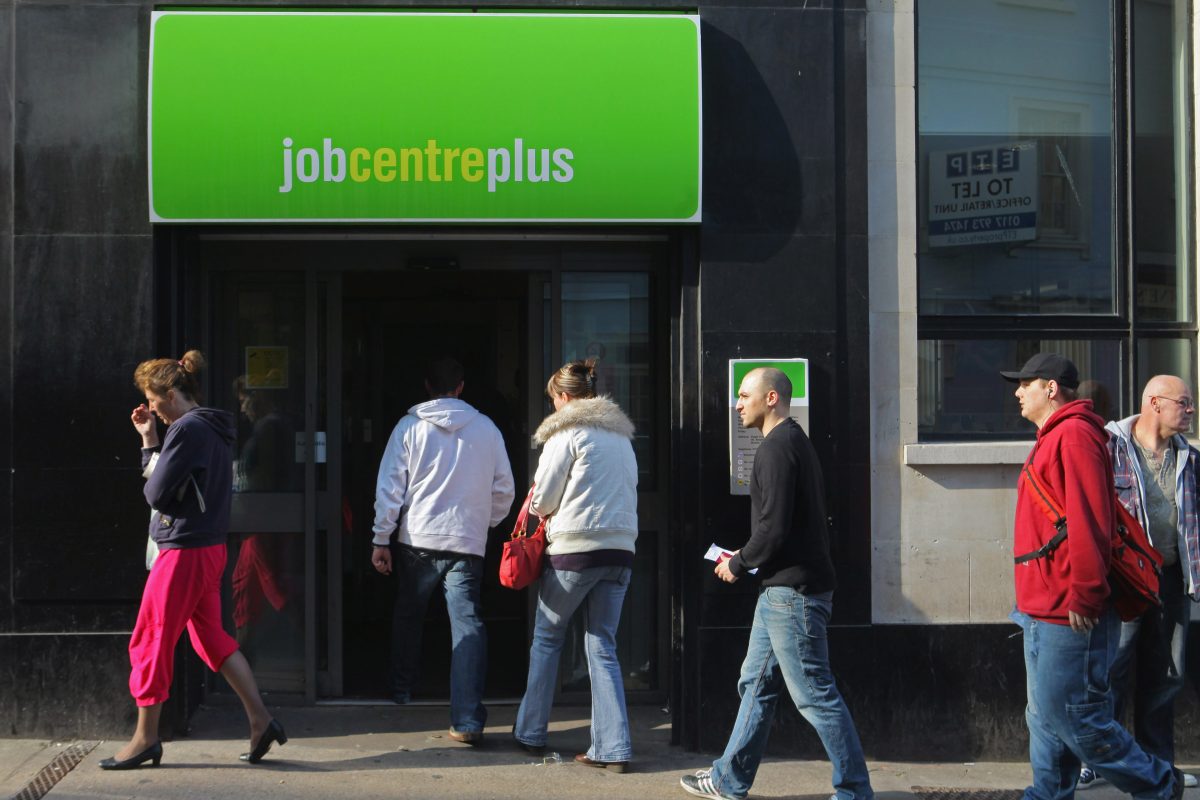
Job vacancies available across the UK dropped again, official data revealed, posing a further risk for Britons out of work.
The Office for National Statistics said the number of job vacancies fell by 19,000 between March and May. The unemployment rate dropped to 4.9 per cent per cent compared to five per cent in data from last month, lower than markets predicted.
Fresh jobs figures reflect growing challenges around the UK economy, with firms complaining about higher labour costs due to intense wage pressures and a heavy tax burden.
The ONS revealed that wage growth was 3.4 per cent when bonuses were excluded, which was higher than expected. Including bonuses, wage growth was higher than predicted at 4.4 per cent.
“Payroll numbers continued to fall over this period, with new recruits at their lowest level in five years,” Liz McKeown, director of economic statistics at the ONS, said.
#mc_embed_signup { background: #fff; clear: left; font: 14px Helvetica, Arial,sans-serif; width: 100%; max-width: 600px; margin: 20px 0; } #mc-embedded-subscribe-form { margin: 20px 0 !important; } .newsletter-form-flex { display: flex; gap: 0; align-items: center; margin-top: -10px; } .newsletter-form-flex input[type=”email”] { flex: 1; padding: 2px 10px; border: 1px solid rgb(18, 22, 23) !important; border-radius: 12px 0 0 12px !important; } .newsletter-form-flex input[type=”submit”] { padding: 4px 10px !important; margin: 0 !important; background-color: rgb(18, 22, 23) !important; color: rgb(255, 255, 255) !important; border: 1px solid rgb(18, 22, 23) !important; border-radius: 0 12px 12px 0 !important; } .newsletter-banner-content { margin-bottom: 15px; } .newsletter-banner-content h2 { margin: 0 0 10px 0; font-size: 18px; font-weight: 600; } .newsletter-banner-content p { margin: 0 0 10px 0; line-height: 1.5; } .newsletter-banner-content ul, .newsletter-banner-content ol { margin: 0 0 10px 20px; } .newsletter-banner-content a { color: #0073aa; text-decoration: none; } .newsletter-banner-content a:hover { text-decoration: underline; } .newsletter-banner-content img { max-width: 100%; height: auto; margin: 10px 0; } #mc_embed_signup #mce-success-response { color: #0356a5; display: none; margin: 0 0 10px; width: 100%; } #mc_embed_signup div#mce-responses { float: left; top: -1.4em; padding: 0; overflow: hidden; width: 100%; margin: 0; clear: both; }
“Overall employment was little changed, with some signs of workers moving into self-employment.”
The work and pensions secretary Pat McFadden said: “This month’s figures show that there are 400,000 more people in work than this time last year, but we know ongoing instability in the Middle East is causing uncertainty in our labour market.
“We have the right economic plan for growth and stability in a volatile world – and we are taking action to create opportunity and make sure that no one is left behind.”
Helen Whately, the shadow work and pensions secretary, said a rise in economic inactivity suggested “people aren’t even try to get work anymore”.
Read more Unemployment back up as UK job vacancies fall
” That means more people on benefits and a higher welfare bill, at the taxpayers expense,” she said.
Job pressures to influence Bank decision
The key labour market data release uncovers the pressures faced by both employers and job seekers, with inflation worries due to the Iran war’s energy price shock also set to hamper Brits.
On Tuesday, the ONS said inflation remained flat at 2.8 per cent, well below the Bank’s 3.3 per cent prediction a month ago.
Core inflation, which strips out volatile energy and food costs, was 2.6 per cent, while services inflation — closely watched by Bank of England rate-setters for signs of wage pressure — jumped from 3.2 per cent to 3.7 per cent.
Andrew Griffith, the shadow business secretary, has warned that rising business costs of as much as nine per cent threaten to bring either higher prices to the high street, more firms closing with the loss of jobs, or both.
The future of the UK economy largely depends on whether the Strait of Hormuz fully re-opens following the peace deal between the US and Iran.
The Bank’s Monetary Policy Committee meanwhile faces a tricky balancing act between monitoring a weakened labour market and elevated inflation expectations, which could push up inflation far above its two per cent target.
Some economists have suggested that the Bank will opt to leave monetary policy unchanged for the rest of the year before cutting interest rates next year as weakened demand could stop prices from spiralling in 2026.
Read more Jobs crisis: UK unemployment to hit highest level in a decade
Similarly tagged content: Sections Categories People & Organisations