






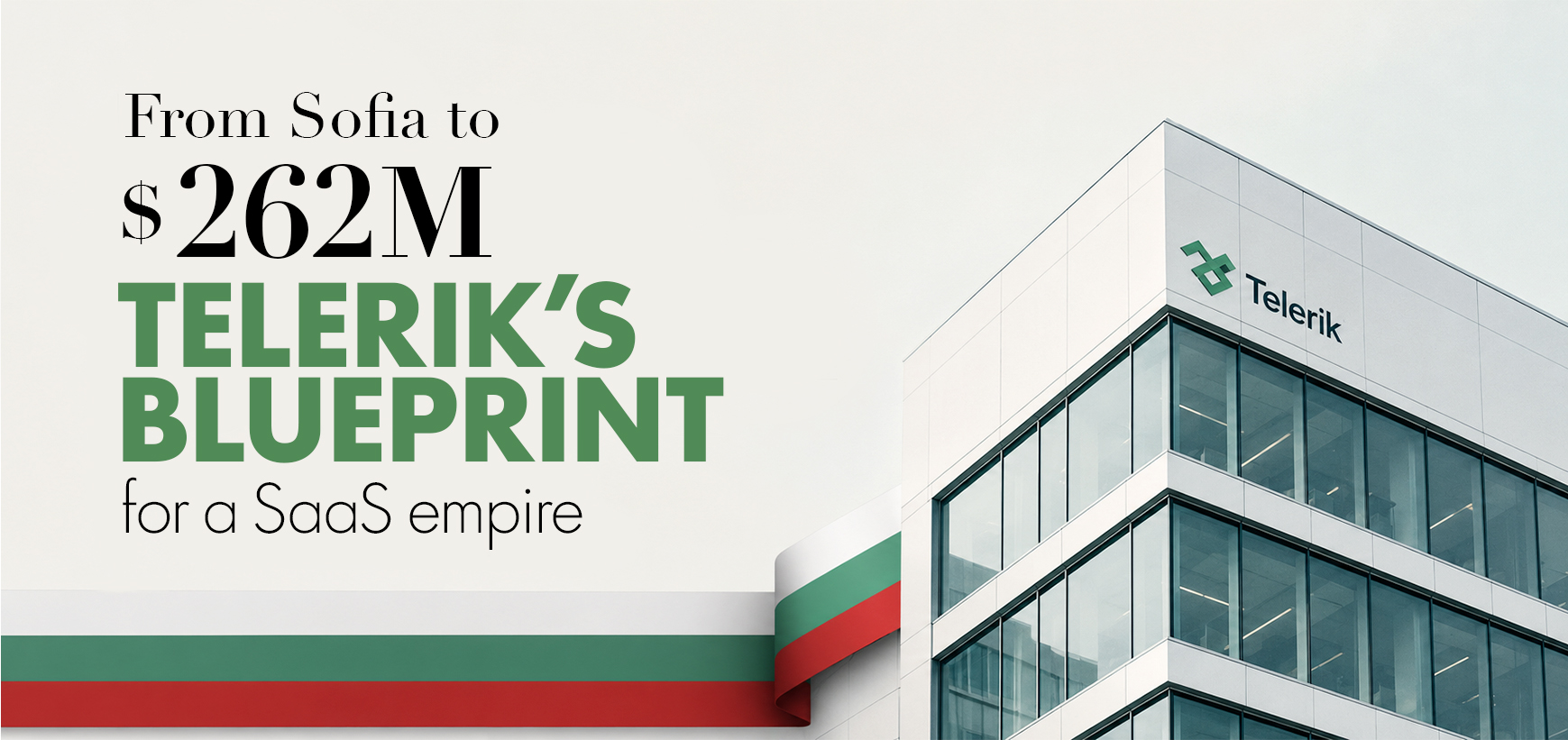
It wouldn’t have crossed most people’s minds during the early 2000s that a tiny group from Bulgaria would end up creating a SaaS empire for themselves. Nevertheless, that is precisely what Telerik did. The Telerik success story goes way beyond being another software company acquisition story; instead, it serves as an ultimate guide to how to build successful SaaS companies in today’s world.
Telerik turned out to be a success in the SaaS space because it shifted its business model from outsourcing to product development, specialized in developer tools, used a scalable pricing structure, and entered foreign markets. The company is regarded as one of the best SaaS startups due to the developer community and subscription-based revenue model.
Telerik Overview: What is Telerik and Why is it Important?
The name of the software company is famous due to its great contribution to creating efficient developer tools. Telerik develops different kinds of products, including UI frameworks, developer productivity tools, and enterprise-level software.
What made the company different was its ability to understand the needs of the target audience properly. Unlike some other software firms, Telerik focused on creating products that could solve developers’ problems effectively.
In the wider context of Bulgaria tech startups, Telerik turned into a symbol of what’s possible when local talent encounters global ambition.
The Founders Behind Telerik
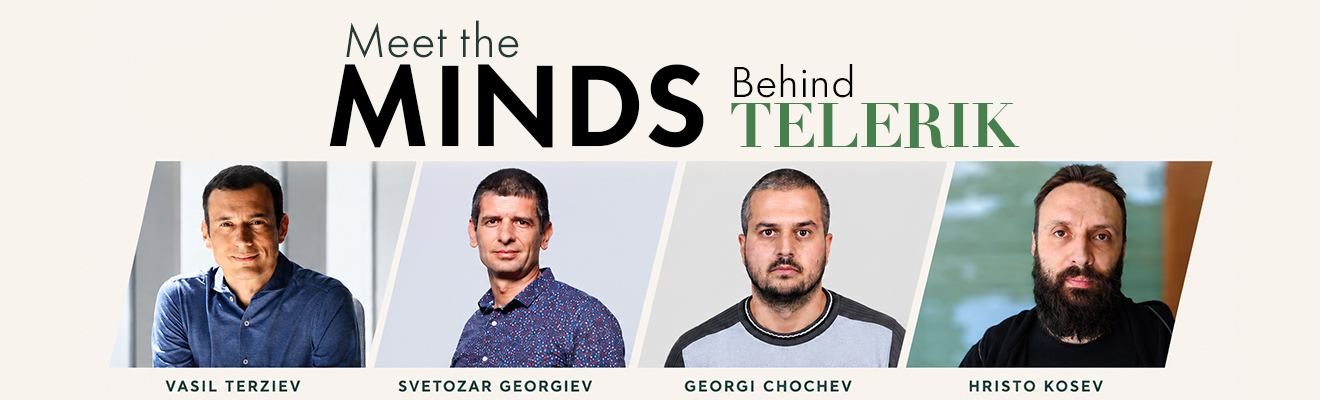
At the core of this journey is Vasil Terziev and his co-founders, namely, Svetozar Georgiev, Georgi Chochev, and Hristo Kosev, who followed a vision of developing a global tech company from Bulgaria; something that was unique at the moment.
In the 2000s, Bulgaria’s tech ecosystem was under development. Access to funding was constrained, and global exposure was limited. Developing a SaaS startup in such conditions presupposes the presence of innovativeness, strength, and willingness to think differently.
Some main challenges faced by the founders included:
- Lack of available venture capital
- Ineffective startup ecosystem
- Poor international recognition
However, Telerik had the chance to use the availability of great engineering talents.
Outsourcing: Starting a Business in the Rising Market
1. Starting as a Service Company
As an emerging market startup, Telerik started off as an outsourcing service provider. This helped the founders get some money for their work as well as gain the relevant skills and experience while interacting with foreign companies.
Nevertheless, outsourcing had several issues associated with it:
- The growth of revenue depended on hiring new employees
- Low margin rate
- Limited opportunities for scaling
That is why the entrepreneurs decided to change their strategy.
2. Product Development: Transition from Outsourcing to the Software Industry
Creating products, especially those that can be helpful for developers, became one of the most critical moments in the history of the company.
In addition to this, the move transformed Telerik into a product-oriented company and paved the way for SaaS success stories.
Why was this move so strong?
- Products scale devoid of proportional increases in cost
- Intellectual property builds long-term value
- Global markets became accessible
By emphasizing on developer tools, Telerik entered into a global niche with gigantic demand.
How Telerik Built a SaaS Business That Scaled Globally
1. Developer-Centric Product Strategy
Telerik’s strength lies in its ability to solve real problems for developers. Rather than guessing what users needed, the company actively involved itself with its audience, acquiring feedback and recapitulating swiftly.
Developer-focused nature results in:
- Higher rates of adoption among developers
- Great brand loyalty
- Organic growth through recommendations from users
- Subscription and Licensing Model
2. Subscription and Licensing Model
The second aspect that made Telerik so successful was its business model, which presupposed subscriptions and licenses. As a result, the company managed to make a constant cash flow.
Benefits of this approach included:
- Predictable revenue and cash flow
- Better customer lifetime value
- Efficient financial planning
Revenue increased consistently thanks to recurring SaaS income and a strong community of developers.
3. Expansion to Different Countries
At first, the founders decided not to limit their activities in Bulgaria. Thus, they tried to reach the entire international market with their products.
Some key strategies involved:
- Developing an online-first distribution model
- Developing educational content for developers
- Engaging with global developer communities
This global attitude was important in transforming Telerik into a true SaaS powerhouse.
Telerik by the Numbers: Growth Timeline and Scale
1. Timeline (2002-2014 Exit)
- 2002 – Founded Telerik
- Mid-2000s – Pivot from service offerings to product offerings
- Late-2000s – Fast-paced growth around the world
- 2014 – Acquired for $262.5 million
2. Customers and Products
- More than 100,000 customers globally
- More than 500,000 developers utilizing the products of Telerik
These figures indicate the magnitude at which Telerik had succeeded before its acquisition.
3. Revenue and Exits
In essence, the steady growth and efficient SaaS business model of Telerik culminated in an impressive $262.5 million acquisition.
The $262M Acquisition: Why Telerik Was Bought

Telerik’s acquisition by Progress Software was not a coincidence; it was a strategy.
Reasons for acquiring Telerik:
- Product range: The tools developed by Telerik complement those of Progress Software
- Excellent SaaS-based model: Recurrent income made the firm very lucrative to acquire
- Active community: Strong developer following
- International presence: Already present in all the major markets
In this case of software company acquisition, we can see that a specialized high-value offering will draw attention from big buyers.
Reasons Behind Telerik’s Success Over Others
Numerous start-ups try to become global, yet only a few achieve their goals. The reasons behind Telerik’s success include:
- Focusing on the niche: Concentration on developers enabled specialization
- Excellent products: Reliable product delivery generated trust
- User community-based approach: Developers became brand ambassadors
- Early implementation of the SaaS model: Monthly subscriptions provided stability
How Telerik Changed Bulgaria’s Startup Ecosystem
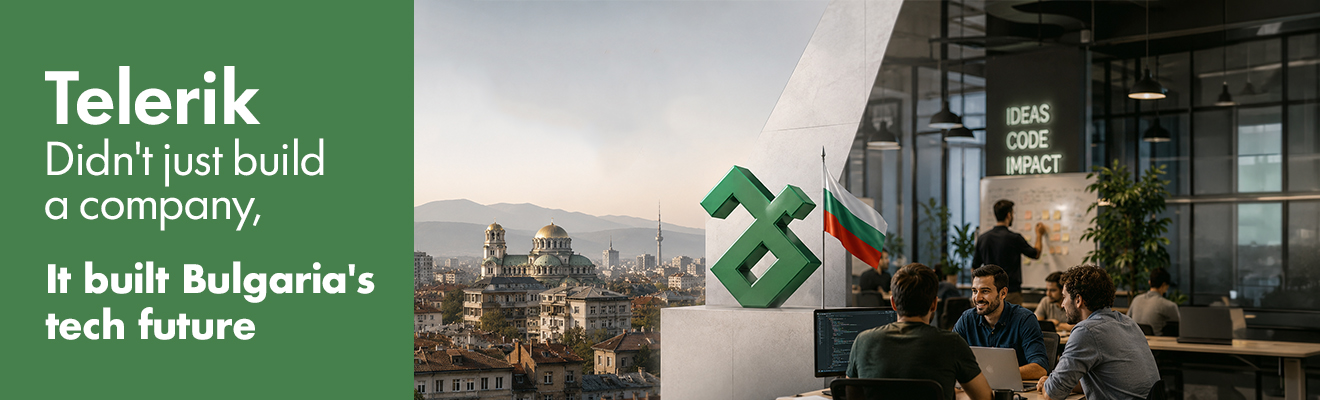
Before the advent of Telerik, Bulgaria was not widely renowned as a tech hub. After its success, everything was modified!
The company:
- Placed Bulgaria on the global tech map
- Influenced a new generation of entrepreneurs
- Contributed to talent development
- Reinforced the startup ecosystem
At present, Bulgaria tech startups are gaining international traction, and Telerik’s legacy plays an essential role in that growth.
Lessons for SaaS Founders
This particular SaaS business growth model provides valuable insights for entrepreneurs:
- Begin with services, but do not stay there
- Emphasize the specific audience
- Create products that solve real problems
- Adopt a recurring revenue model as early as possible
- Think globally from day one
These lessons are particularly relevant for founders seeking to understand how startups get acquired.
Can Eastern European Startups Build Billion-Dollar Companies Today?
Of course. Today’s situation is even better than it used to be at Telerik when they were starting.
The advantages in this case are:
- A remote-friendly business model
- Ability to reach global audiences
- Advancements in SaaS & AI technology
- Higher investor interest
The example set by Telerik shows that location doesn’t matter anymore.
Bottom Line
The story of Telerik is one that shows what vision, planning, and execution can do in turning a startup into a global phenomenon.
From an initial outsourcing company to the sale for $262 million, Telerik created more than a successful company; it created an ecosystem.
For us at Insights Kolekr, this story serves as a testament to what is possible in the current landscape of startup businesses. As we analyze Bulgaria tech startups or investigate startup acquisitions, the story of Telerik continues to be an instructive example of SaaS startups.
Frequently Asked Questions
1. Why is Telerik famous for?
Telerik specializes in providing software development tools and cloud services necessary for creating efficient apps.
2. How much did Telerik sell for?
The company was bought for $262.5 million.
3. Who established Telerik?
Telerik was founded by Vasil Terziev and his colleagues.