With a week of major articles looking at the EU’s foreign policy branch, POLITICO asks whether budget constraints, a lack of tools and a turf war with the European Commission is threatening its survival.
 Nicholas Vinocur, Jacopo Barigazzi



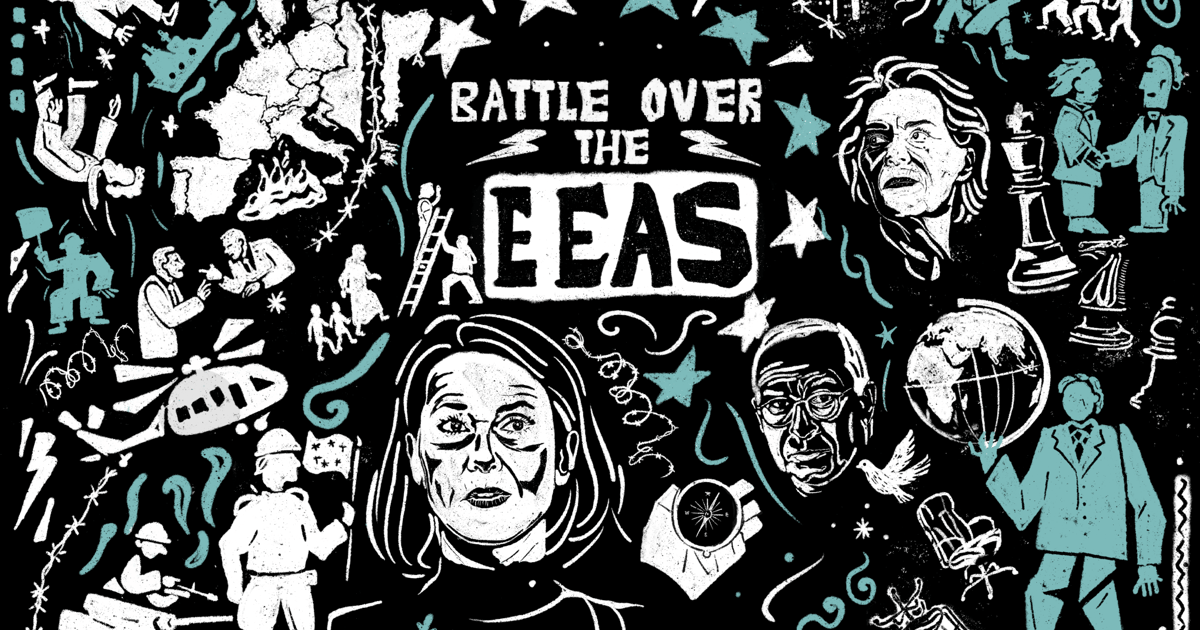
A decade and a half on, that messy EU compromise is unraveling.
Facing budget cuts, a battle for talent and a lack of policy tools to back up its diplomatic role, the EEAS, now headed by former Estonian Prime Minister Kaja Kallas, has been losing out in a protracted turf war with the Commission headed by Ursula von der Leyen ― while national governments, which have largely kept their foreign policy independence, are also weighing reform.
In more than a dozen conversations with POLITICO over the past three months, 10 current and former EU officials and diplomats described an EEAS in crisis, lacking a clear mission and largely unable to compete with the Commission’s much greater financial resources and policy firepower.
While Kallas is fighting back, unveiling new senior hires and promising internal reforms, EU countries have yet to publicly spell out plans to strengthen the service.
Today, and over the next few days, POLITICO is taking a comprehensive look at the problems, asking how the EEAS got here, and exploring the possible solutions that officials, diplomats and politicians are floating in Brussels and across Europe.
‘Dissolving’ the EEAS?
The crisis comes at a time when conflicts in Ukraine and the Middle East — as well as tensions in the transatlantic relationship — have left the EU scrambling to adapt to a harsher global environment, putting its foreign policy strategy in the spotlight like never before. Nowhere near as powerful as the U.S. State Department or the foreign ministries of Paris, Berlin or London, and halfway through its 16th year, the EEAS is unsure what adulthood will look like.