Governments, lenders and businesses gathered in Poland to unlock fresh funding for Ukraine’s reconstruction, sign investment deals and lay the groundwork for longer-term private investment.
 Ada Petriczko



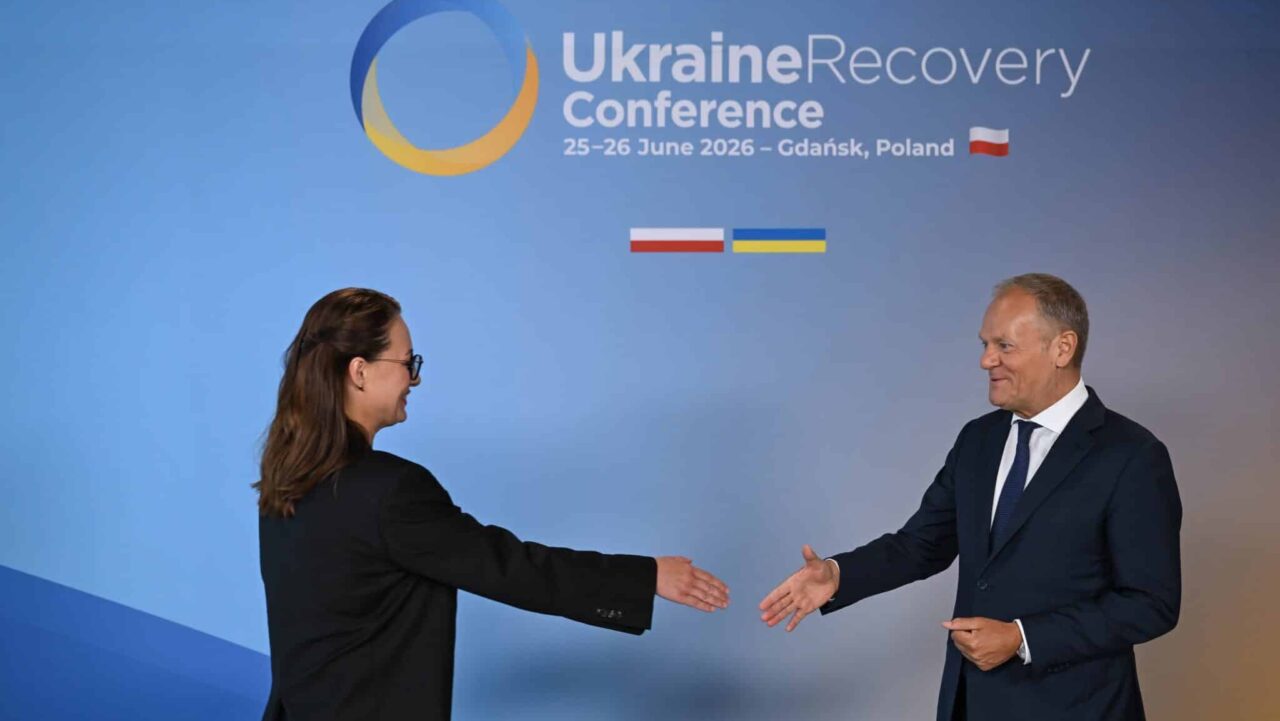
More than 160 agreements worth over 10 billion euros were signed at the Ukraine Recovery Conference in Gdansk on Thursday and Friday, including fresh EU funding, new investment vehicles and commercial partnerships spanning energy, transport and defence.
Hosted by Poland, the two-day conference drew representatives from more than 50 countries alongside financial institutions and major companies. The task ahead remains immense: the World Bank estimates Ukraine will need more than $580 billion (over 500 billion euros) to rebuild over the next decade.
Opening the conference, Ukrainian Prime Minister Yulia Svyrydenko said Kyiv expected to conclude more than 160 agreements. By Friday, she said the event had produced new partnerships in defence and energy, transport projects, housing programmes and major financial commitments.
“This day once again confirmed: Ukraine and Europe have a common path, common values and a common future,” Svyrydenko wrote after the conference.
Much of the new funding came from the European Union. European Commission President Ursula von der Leyen confirmed the release of the first 3.2-billion-euro tranche from the EU’s 90-billion-euro loan facility for Ukraine, providing immediate budget support to Kyiv. She also announced that payments from a separate 6-billion-euro programme for Ukrainian drone production would begin in the coming days.
The Commission also launched the European Flagship Fund for the Reconstruction of Ukraine, backed by the EU together with Poland, France, Germany and Italy. The goal is to mobilise up to 1 billion euros in private investment for strategic sectors of the Ukrainian economy.
The World Bank, meanwhile, is raising another $2 billion (1.75 billion euros) for the next phase of its Special Program for Ukraine Recovery. But its president, Ajay Banga, cautioned that public money alone would not rebuild Ukraine. Attracting private capital, he said, was vital and would depend on continued reforms and stronger rule of law.
Business featured prominently throughout the conference. Polish energy companies Orlen, PGE, Enea and Tauron signed a letter of intent on rebuilding Ukraine’s energy infrastructure, while Orlen concluded a separate cooperation agreement with Ukraine’s Naftogaz covering joint projects in the gas and energy sectors.
The meeting unfolded against renewed tensions in Polish-Ukrainian relations following a dispute over differing interpretations of events during World War II. Without referring directly to the row, Polish Prime Minister Donald Tusk struck a conciliatory tone in his opening address.
“We can build the future only on truth, mutual respect and an understanding of history,” he said.
The annual Ukraine Recovery Conference has become the main international forum for coordinating financial support and investment in Ukraine since Russia’s full-scale invasion started in 2022. Previous events were held in Lugano, London, Berlin and Rome.