Leaders are using the summit to kickstart efforts to end the war in Ukraine.
 Giorgio Leali, Clea Caulcutt, Nicholas Vinocur, Myah Ward



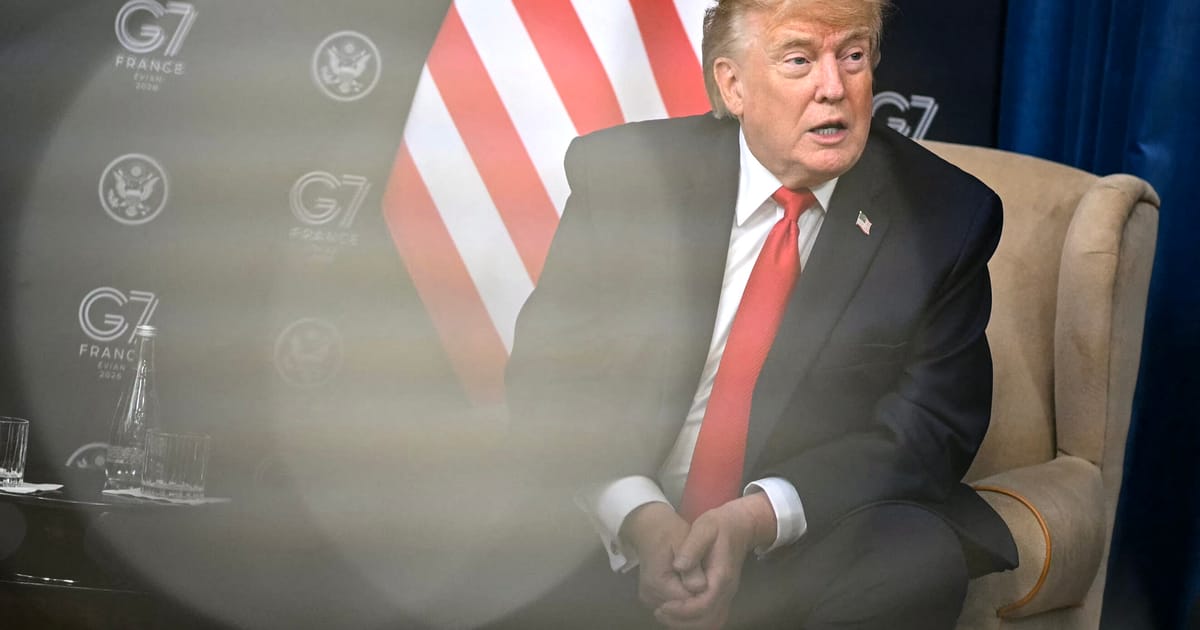
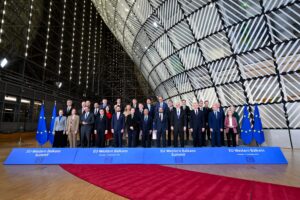
Trump’s comments came after heads of government from the G7 and European Union met with Ukrainian President Volodymyr Zelenskyy to discuss the war, which is in its fifth year. Four European officials with direct knowledge of the talks said the leaders agreed to increase economic pressure on Moscow and force Russian President Vladimir Putin to the negotiating table.
Trump said he met with French President Emmanuel Macron and Ukrainian President Volodymyr Zelenskyy, and added that he planned to hold bilateral talks with Zelenskyy later on Tuesday.
Heading into the summit, some European officials expressed concerns that Trump, now freed from spending much of his focus on the Middle East, could derail efforts to pressure the Kremlin.
But an Italian diplomat said the seven heads of government and European Union leaders present at the Tuesday morning meeting were united “on stepping up pressure on Moscow,” and an EU official said “the U.S. were very positive towards Ukraine in the session.”
Other G7 members are pushing ahead with their own moves targeting Russia. The United Kingdom hit Moscow with fresh energy sanctions on Monday, while Canada unveiled its own measures following a meeting between Zelenskyy and Prime Minister Mark Carney on Tuesday.
Those sanctions “will target a total of 162 individuals, entities, and vessels — all assets of the Russian war machine,” the Canadian government said.
European Commission President Ursula von der Leyen last week presented the bloc’s 21st sanctions package, which targets Russia’s banking, energy and trade sectors. Included in the package, which is currently being negotiated, is a proposal to freeze the current price cap on purchases of Russian oil at $44 per barrel.
Sue Allan contributed to this report.