

Syntetica, a Paris-based DeepTech company advancing technology to recycle complex textile waste, today announced a €26.1 million ($30 million) Series A funding round to enable the company’s first commercial demonstration facility in partnership with Michelin. The round was led by the Ecotechnologies 2 fund managed on behalf of the French
 Rahul Raj



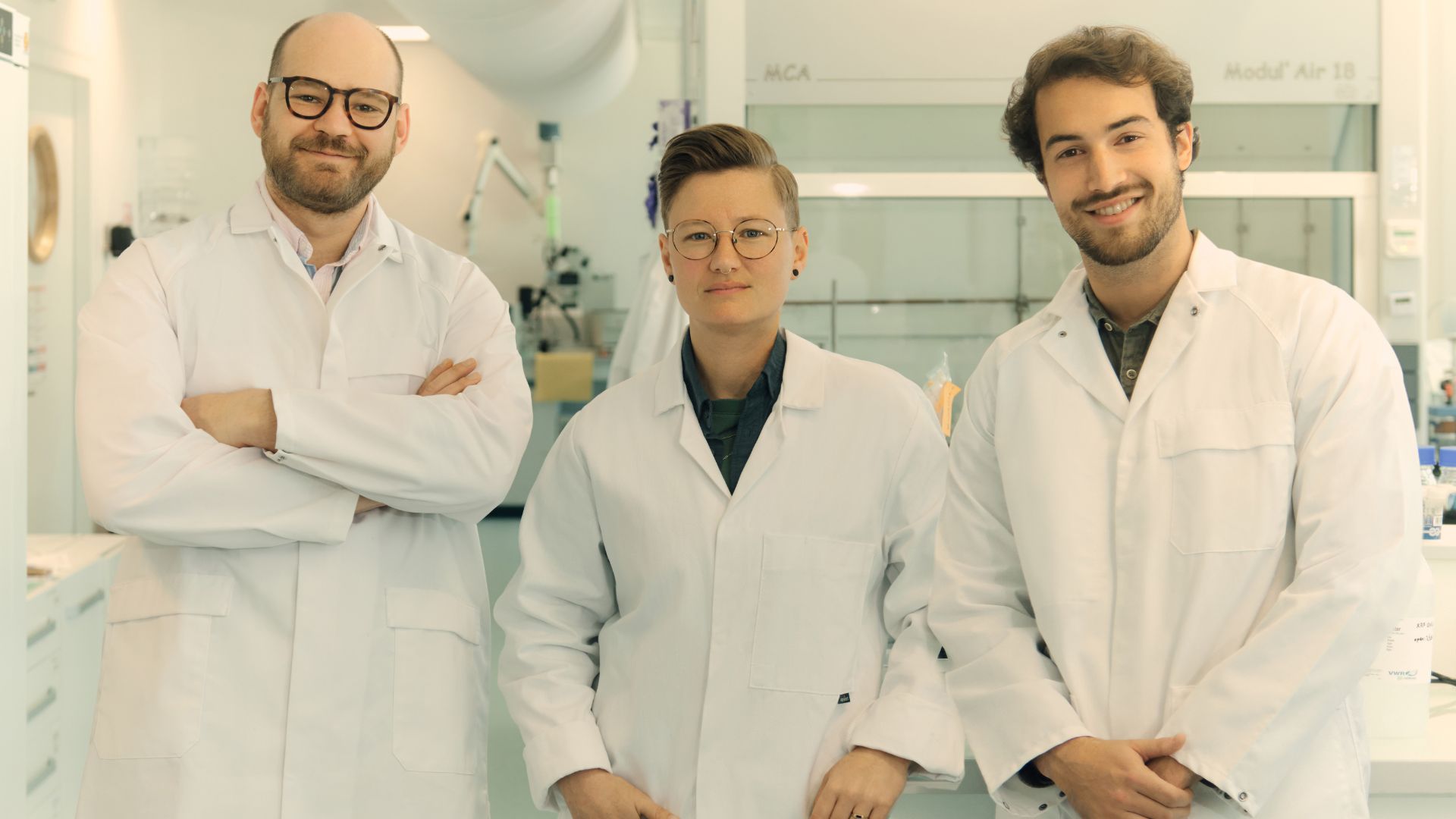
Syntetica, a Paris-based DeepTech company advancing technology to recycle complex textile waste, today announced a €26.1 million ($30 million) Series A funding round to enable the company’s first commercial demonstration facility in partnership with Michelin.
The round was led by the Ecotechnologies 2 fund managed on behalf of the French government by Bpifrance, with participation from SWEN Capital Partners, lululemon, MAS Holdings, existing investor EQT Ventures, and the family offices of Peugeot, Etam and Indorama Venture’s largest shareholder. The new round also includes support from public institutions, including Bpifrance (French public investment bank) and the European Innovation Council.
Marco Bertone, co-founder and chief executive officer of Syntetica, said, “For decades, mixed nylon waste has been considered too complex and too expensive to recycle at scale. We have shown that it is possible to recover high-value materials from the waste streams the industry has historically written off. This funding allows us to move from breakthrough chemistry to industrial reality and accelerate the transition to more circular materials.”
Founded in 2023 by Bertone and Louis Monsigny, Syntetica is on a mission to build the industrial infrastructure needed to keep valuable materials in circulation and reduce reliance on virgin fossil-based resources. The company has developed a proprietary solution capable of recycling both Nylon 6 and Nylon 6,6 from mixed textile waste in a single process.
According to the startup, the need to identify and separate different nylon types has been one of the biggest technical barriers to recycling post-consumer nylon at scale. Syntetica, referencing Textile Exchange’s Materials Market Report, states that global nylon production hit approximately 7 million tonnes in 2024.
Despite growing demand for circular materials, recycled nylon still accounts for only about 2% of the total nylon market due to the technical challenges of recycling post-consumer textiles. It further notes that more than 80% of textiles discarded by households are currently incinerated, landfilled or abandoned in the environment.
Syntetica claims that its technology overcomes one of the main hurdles to increased recycling, making it possible to process more of the nylon waste that arises from the apparel industry. Its technology enables the chemical deconstruction of mixed and contaminated nylon streams into purified molecular components. These intermediates are processed to remove additives and contaminants before being repolymerised into virgin-quality, production-ready materials.
The company is already working with brands including Victoria’s Secret and Etam, alongside a growing number of global apparel companies, as demand for scalable circular materials continues to grow.
Alexandre Wagner, Investment Director, Bpifrance Green Venture, said, “Syntetica has developed a differentiated technology that addresses one of the textile industry’s most complex recycling challenges. We are pleased to support the company’s next phase of growth as it scales its technology and manufacturing capabilities in France, which is in line with our investment strategy.”
The company plans to use this funding to support the planned construction of Syntetica’s first commercial demonstration facility in France. The demo plant will be developed through the company’s partnership with Michelin’s Centre for Sustainable Materials in Clermont-Ferrand.
The company is backed by French and European public funds, including Bpifrance and the European Innovation Council. In 2024, the company raised €4.2 million in a Seed round led by EQT Ventures.
While nylon remains its initial focus, Syntetica plans to expand its technology platform into additional materials and applications over time, including opportunities across textiles, automotive and speciality chemicals. The company is backed by French and European public funds, including Bpifrance and the European Innovation Council.