


On 18th June 1982, Roberto Calvi, a banker with close ties to both the Vatican and the Mafia was found hanged under Blackfriars Bridge. Eliot Wilson asks what happened The temperature was climbing by 7.30am on Friday 18 June 1982 and had reached 14°C, but London remained cloudy and wet.
 Eliot Wilson



Thursday 18 June 2026 5:21 am | Updated: Thursday 11 June 2026 8:29 am
On 18th June 1982, Roberto Calvi, a banker with close ties to both the Vatican and the Mafia was found hanged under Blackfriars Bridge. Eliot Wilson asks what happened
The temperature was climbing by 7.30am on Friday 18 June 1982 and had reached 14°C, but London remained cloudy and wet. A postal clerk was walking to work along the riverside path underneath Blackfriars Bridge when he saw scaffolding in the river. On it, under the span of the bridge, the body of a man in a grey suit and white waistcoat was hanging by the neck from an orange nylon cord.
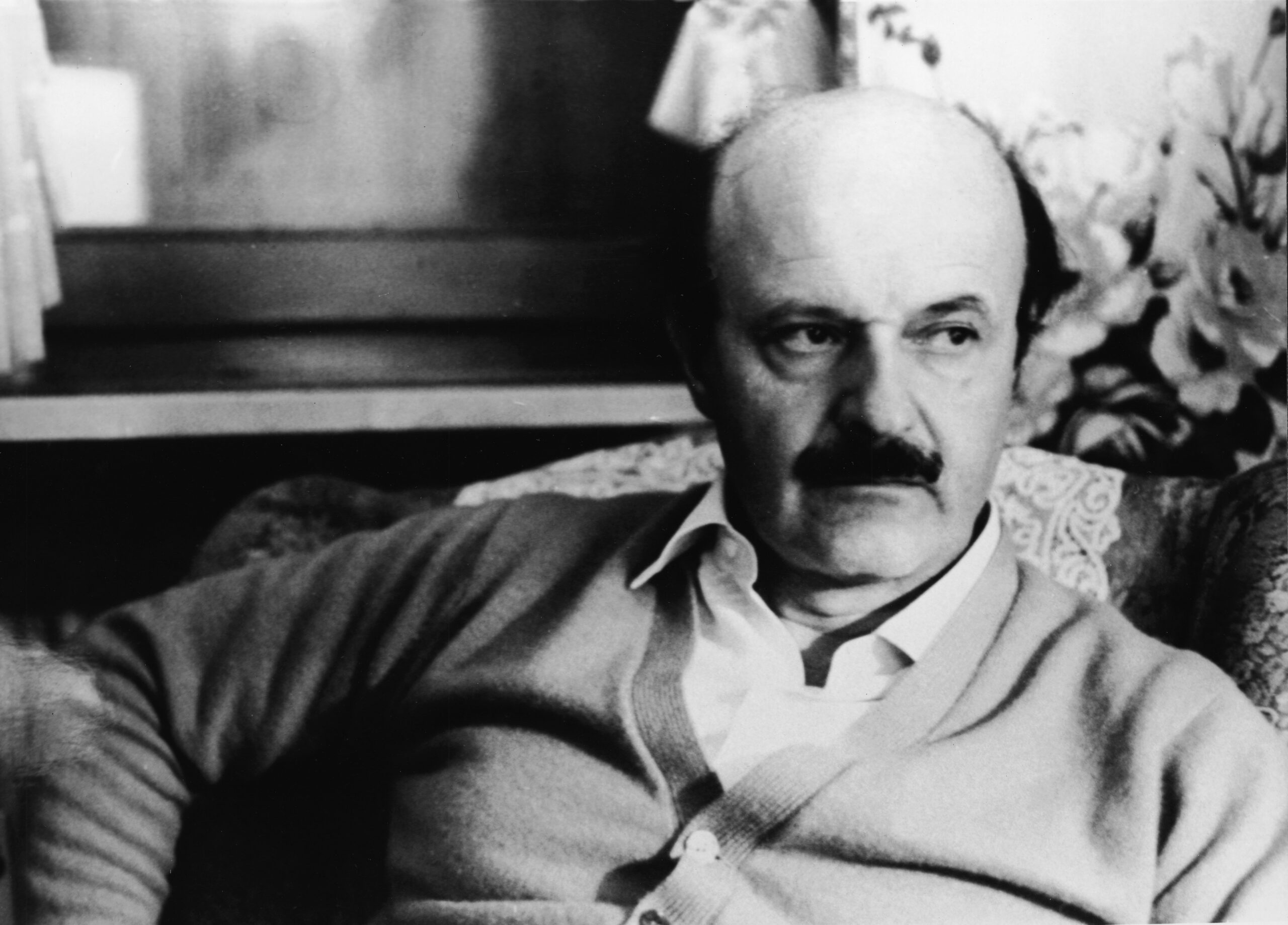
The dead man had five pieces of brick, 12lbs in total, in his pockets, and $13,000 in dollars, schillings, lire and Swiss francs. His passport, which was forged, bore the name Gian Roberto Calvini, but he was Roberto Calvi, a 62-year-old financier and Chairman of Banco Ambrosiano in Milan. He had been missing for a week.
Calvi had been a banker for 35 years, all but two of those at Banco Ambrosiano where he had become general manager in 1971 and chairman in 1975. The bank had been established in 1896 as an explicit counterweight to Italy’s Jewish-owned banks, “serving moral organisations, pious works, and religious bodies set up for charitable aims”. It had very close connections to the Catholic Church – one post-War Chairman was Count Franco Ratti, was the nephew of Pope Pius XI – and one of its major shareholders was the Institute for the Works of Religion (IOR), commonly known as the Vatican Bank.
Banco Ambrosiano was already in trouble. In 1978, the Bank of Italy found it had illegally exported several billion lire; in 1981, Calvi had been convicted and fined for breaking Italian currency laws, though he retained his position at the bank. Held in prison during his trial, he had attempted suicide by taking barbitures and slitting his wrists, but opinion was divided over whether it had been a genuine attempt or part of a bid for sympathy.
#mc_embed_signup { background: #fff; clear: left; font: 14px Helvetica, Arial,sans-serif; width: 100%; max-width: 600px; margin: 20px 0; } #mc-embedded-subscribe-form { margin: 20px 0 !important; } .newsletter-form-flex { display: flex; gap: 0; align-items: center; margin-top: -10px; } .newsletter-form-flex input[type=”email”] { flex: 1; padding: 2px 10px; border: 1px solid rgb(18, 22, 23) !important; border-radius: 12px 0 0 12px !important; } .newsletter-form-flex input[type=”submit”] { padding: 4px 10px !important; margin: 0 !important; background-color: rgb(18, 22, 23) !important; color: rgb(255, 255, 255) !important; border: 1px solid rgb(18, 22, 23) !important; border-radius: 0 12px 12px 0 !important; } .newsletter-banner-content { margin-bottom: 15px; } .newsletter-banner-content h2 { margin: 0 0 10px 0; font-size: 18px; font-weight: 600; } .newsletter-banner-content p { margin: 0 0 10px 0; line-height: 1.5; } .newsletter-banner-content ul, .newsletter-banner-content ol { margin: 0 0 10px 20px; } .newsletter-banner-content a { color: #0073aa; text-decoration: none; } .newsletter-banner-content a:hover { text-decoration: underline; } .newsletter-banner-content img { max-width: 100%; height: auto; margin: 10px 0; } #mc_embed_signup #mce-success-response { color: #0356a5; display: none; margin: 0 0 10px; width: 100%; } #mc_embed_signup div#mce-responses { float: left; top: -1.4em; padding: 0; overflow: hidden; width: 100%; margin: 0; clear: both; }
These were Italy’s Anni di piombo, the Years of Lead, scarred by violence from the far-left and far-right as well as from organised crime. Calvi seemed to link every totem of the era: not only was Banco Ambrosiano tied to the Church and to financial corruption, but his new Deputy Chairman, Carlo de Benedetti, resigned after two months having been threatened by the Mafia; his successor, Roberto Rosone, was shot and badly wounded in both legs near Milan Central Station in April 1982.
‘A wall of rubber’
Benedetti and Rosone had both been pressing the neurotically secretive Calvi for information about the bank’s finances, but the Chairman was uncooperative: Benedetti said he “met a wall of rubber”. That was hardly surprising. Not only was it his nature to hoard information, but by the spring of 1982, $1.29bn were missing for which the bank could not account.
Calvi had made a series of unsecured loans to ghost companies in South America to buy shares in Banco Ambrosiano, the loans made in dollars and the purchases in lire, but as Italy’s currency weakened, servicing the loans became more expensive – and they were due to be repaid on 13 June 1982. Late the previous year, Calvi was assisted by “letters of patronage” in support of the ghost companies from a canny, Illinois-born operator, Paul Marcinkus.
Read more ‘Banker’ arrested in connection with ‘Putney pusher’ attack
Marcinkus was Titular Archbishop of Horta, President of the Vatican Bank and Vice-President of the Governorate of the Vatican City, the executive body which runs the Vatican. Hard-nosed, he had once quipped, “You can’t run the Church on Hail Marys”, but he was not a financier; he was an ecclesiastical factotum, 6’4” with a build which had earned him the nickname Il Gorilla.
Even with the imprimatur of the Church, Calvi could not cover the loans. New regulations from the Borsa Italiana required banks to disclose the identity of shareholders and make accounts public. It was unthinkable, and on 10 June, Calvi disappeared. With a false passport, a speedboat and a driver, his moustache shaved off, he fled to Venice, Zürich and then to London where he spent his last days in an apartment in Chelsea.
On 17 June, Banco Ambrosiano’s board removed Calvi from his position. That evening, his private secretary, Graziella Corrocher, jumped to her death from the fifth floor of the bank’s headquarters, leaving a note which said “May God curse Calvi for all the harm he has done to us”. The next morning, Calvi’s body was found.
The initial inquest determined Calvi had committed suicide, though a second inquest the following year returned an open verdict. It was almost certainly not suicide: we now know that the soles of his shoes bore no traces of the scaffolding, he had not touched the bricks in his pockets and the river was low when he was found but his position could have been reached by someone standing in a boat. In 2007, an Italian court ruled that Calvi had been murdered. But by whom?
The list of potential suspects is almost endless. Banco Ambrosiano had been laundering money for the Mafia and had also handled funds for anti-Communist groups including the Polish trades union Solidarność. The Camorra and Banda della Magliana might have been involved, and of course the Catholic Church was inextricably intertwined with Calvi and Banco Ambrosiano.
Then there was Propaganda Due. A masonic lodge which had its charter withdrawn in 1976 and became instead an international, illegal, clandestine, anti-Communist, anti-Soviet, anti-Marxist, radical right criminal organisation, it included senior political, business, military and industrial leaders and had plans for a right-wing coup. Calvi was a member, and the lodge referred to itself as i Frati Neri, the “Black Friars”, also the bridge under which his body was found. The bricks in his pockets were cited by some as having masonic symbolism.
By June 1982, lots of people might have wanted Roberto Calvi dead. The only person who probably didn’t, it seems, was Calvi himself. But the death of “God’s Banker” remains officially unexplained.
Eliot Wilson is an author and historian
Similarly tagged content: Sections Categories People & Organisations