The European Commission wants to extend unconditional protection for Ukrainians fleeing the war for another year — but not for men of fighting age. Where does this decision come from, and what could it mean for both Ukraine and the European Union?
 Léa Marchal



Production: By Europod, in co-production with Sphera Network.
EUobserver is proud to have an editorial partnership with Europod to co-publish the podcast series “Briefed” hosted by Léa Marchal. The podcast is available on all major platforms.
Find the full transcript below:
The European Commission wants to extend unconditional protection for Ukrainians fleeing the war for another year — but not for men of fighting age.
That’s what European commissioner for migration Magnus Brunner announced on Friday.
Where does this decision come from, and what could it mean for both Ukraine and the European Union?
Since 2022, anyone fleeing Ukraine has been able to quickly obtain the right to stay, work, access healthcare and education in the European Union. That’s the Temporary Protection Directive, which is currently in force until 2027 — and will most likely remain in place until 2028. Because on Friday, 26 June, the European Commission proposed extending it until March 2028.
But with one important change.
Men of military age would no longer automatically qualify.
Those who are already in the EU — and who are between 23 and 65 years old — have nothing to worry about. They would be allowed to stay.
So where does this change come from?
Under Ukraine’s martial law, men who are eligible for military service are generally prohibited from leaving the country. But those who managed to leave have found refuge across Europe until now.
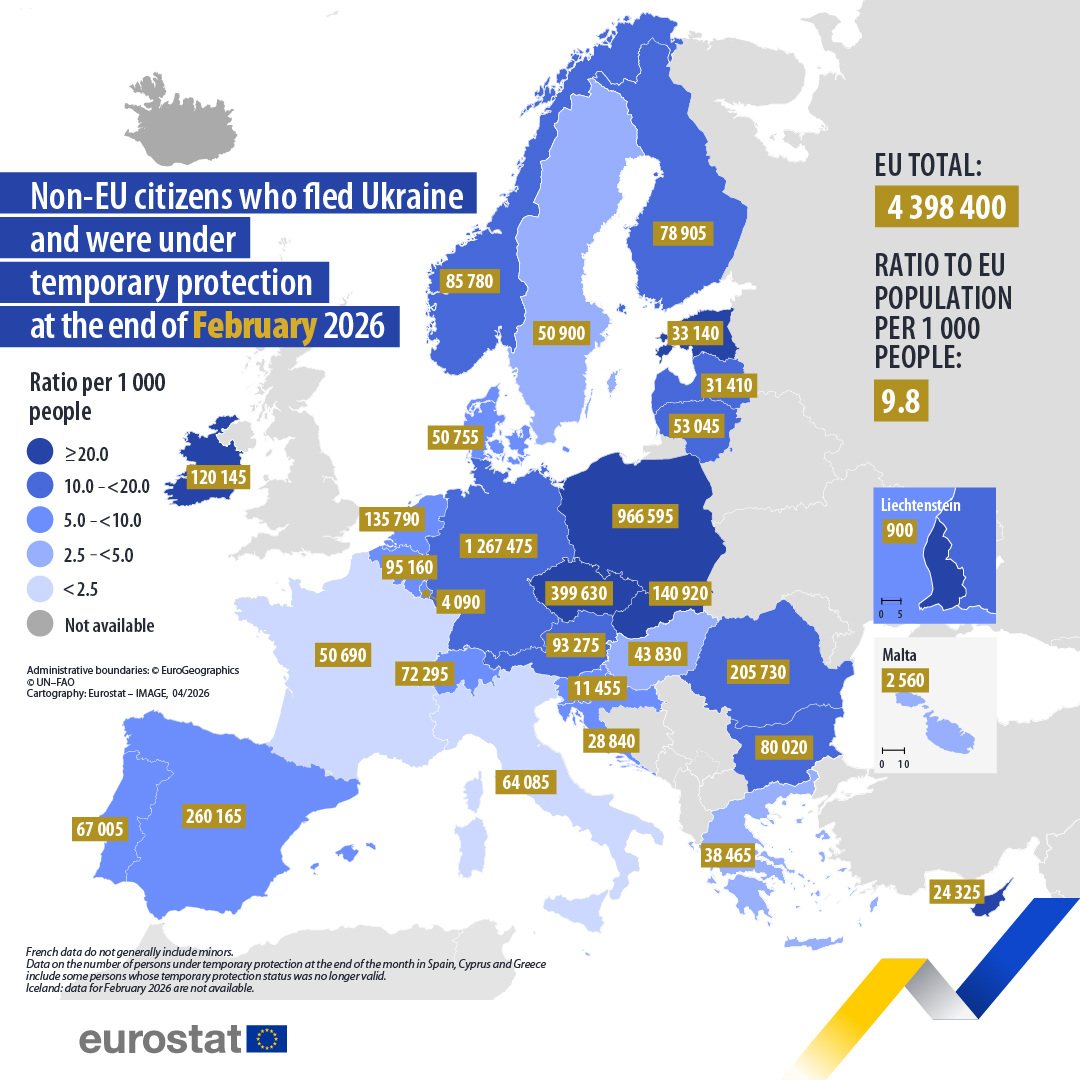
Of the more than 4.4 million Ukrainians currently living in the EU, around a quarter are men aged between 18 and 65, according to Eurostat.
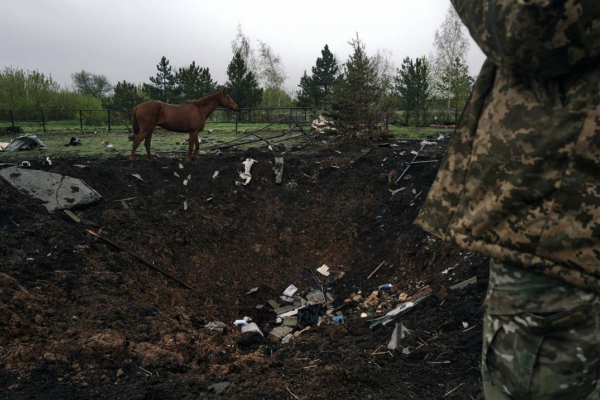
The problem is that since late 2023, Ukrainian president Volodymyr Zelensky has warned that the country is facing a shortage of military personnel.
This led Ukraine to lower the mobilisation age from 27 to 25, and in 2024 to introduce tougher penalties for draft evasion.
Just a few weeks ago, Ukraine also announced a one-third pay rise for soldiers serving on the front line, along with new fixed-term military contracts.
Zelensky is also hoping to recruit foreign volunteers to help defend the country.
Against this backdrop, many Europeans believe it is consistent not only to continue providing financial support to Ukraine, but also to help it replenish its armed forces.
But can the EU legally exclude some Ukrainians from temporary protection?
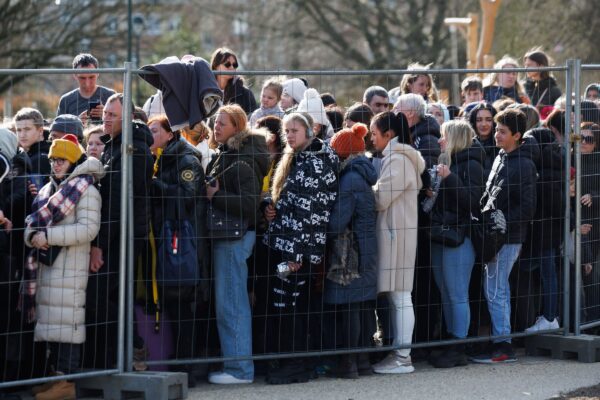
According to the Council of Europe, based in Strasbourg, the measure would be discriminatory.
Experts from the organisation argue that every protection claim should be assessed individually, taking into account the personal circumstances that led someone to flee their country.
The European Commission disagrees.
It argues that the proposal is fully compatible with the law because it reflects Ukrainian legislation, which the Commission considers legitimate given Russia’s ongoing aggression against the country.
The commission also points out that, alongside temporary protection, the regular asylum system remains available. Individual asylum applications can still be submitted and will continue to be examined on a case-by-case basis.
So a man of military age who believes he qualifies for asylum would still be able to apply for refugee status in an EU country.
What impact could these new rules have on Europeans?
First, there could be economic consequences.
As I explained in a previous episode about Ukrainians in Poland, many Ukrainians have entered the European labour market since 2022.
At the same time, the EU is dealing with an ageing population and increasingly relies on migration to support economic growth.
In Germany — the country hosting the largest number of Ukrainians — they now work in manufacturing, healthcare, construction and hospitality, sectors that are already struggling with labour shortages.
For Ukraine, however, the measure would likely be beneficial.
Keeping more men of fighting age in the country would expand the pool of potential recruits and help relieve an army that has been fighting a war of attrition for more than three years.
The proposal must still be approved by the 27 EU member states before it can enter into force.
In the meantime, Europe could see an increase in the number of young Ukrainian men arriving before the new rules take effect.