Krunoslav Fehir was still in his teens when he witnessed the torture and murder of Serb civilians by a Croatian unit he was recruited into by his father in 1991. His decision to testify in 2005 would mark the start of a long and torturous road to the conviction of
 Boris Pavelic



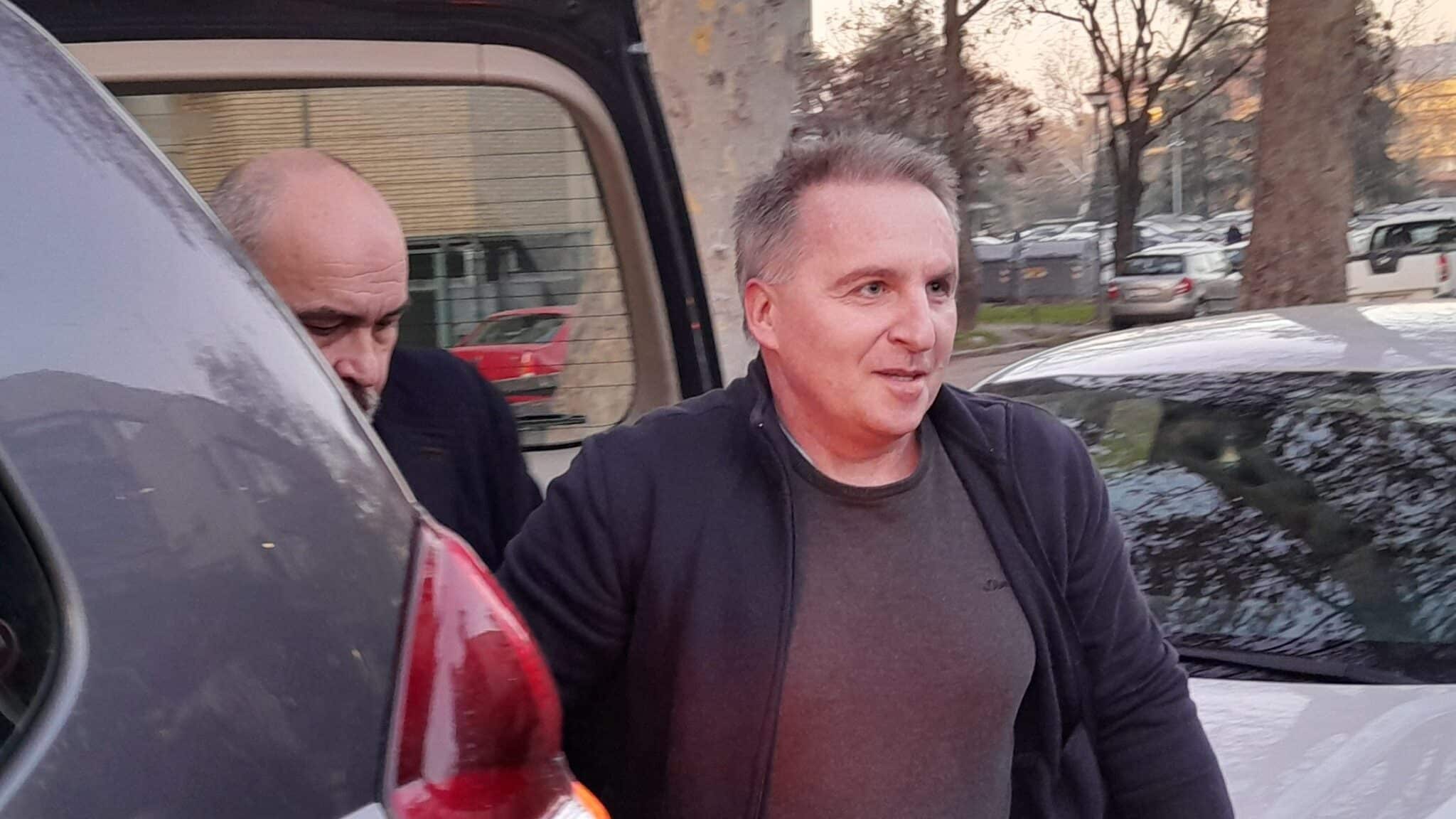
By the time his father went public, Fehir was already under police protection. For his own safety, he was moved from Osijek, in the eastern Slavonia region, to Zagreb and then the coastal city of Pula in the far west.
Fehir spent a decade in Pula, testifying persistently, relentlessly to the crimes he said he saw. He returned to Osijek in 2015, where he found work driving a taxi.
Once he had been outed, Fehir didn’t hide. He talked to journalists whenever they approached him, and gradually his story was told.
In June 1991, as Yugoslavia began unravelling, Fehir was 16 years old and planning to go to neighbouring Hungary, where his school had been relocated because of the fighting that was spreading in Croatia. But his father, Josip, didn’t want him to go. Instead, he recruited Fehir into ‘Branimir’s Osijek Battalion’, where Josip was Glavas’s deputy.
In the 2006 documentary Dossier Osijek, made by Belgrade broadcaster B92 and still available on YouTube, the young Fehir, then 17, is seen armed and in uniform, but still quite clearly a child. He calls on everyone to “defend Croatia”, saying: “I can defend it even though I’m 17 years old, just like my father defends it.”
Josip, also in uniform, adds: “I want to give my child something, and your child, and everybody’s child in Slavonia, in Croatia… When we realise that, there will be no war. Only peace and love.”
Josip declined to comment for this story. His son quickly came to see what war was all about.
On August 31, 1991, while guarding the garages of Glavas’s headquarters in downtown Osijek, Fehir witnessed the incarceration, torture and killing of two local Serb civilians – Cedomir Vuckovic and Djordje Petkovic.
In May the following year, he left the battalion and became a police officer, a job in which, by all accounts, he excelled. Fehir never said a word about what he saw and heard in 1991, but neither did he make peace with it. By 2005, with Glavas’s star waning following his expulsion from the ruling Croatian Democratic Union party, HDZ, Fehir’s moral crisis had become too much for him.
He decided to talk to Hedl, an Osijek native and journalist renowned for his reporting on war crimes, but only after first giving a statement to prosecutors.
“If Krunoslav had kept hiding what he knew, I’m sure he would gone mad,” his mother, Ankica, told the author of this article.
War crimes charges