
Ukrainian MP describes how Zelensky’s bid to rein in graft-busting agencies backfired under public pressure, exposing a fierce domestic power struggle that Brussels rarely sees behind Ukraine’s heroic war narrative.
 Ondřej Kundra



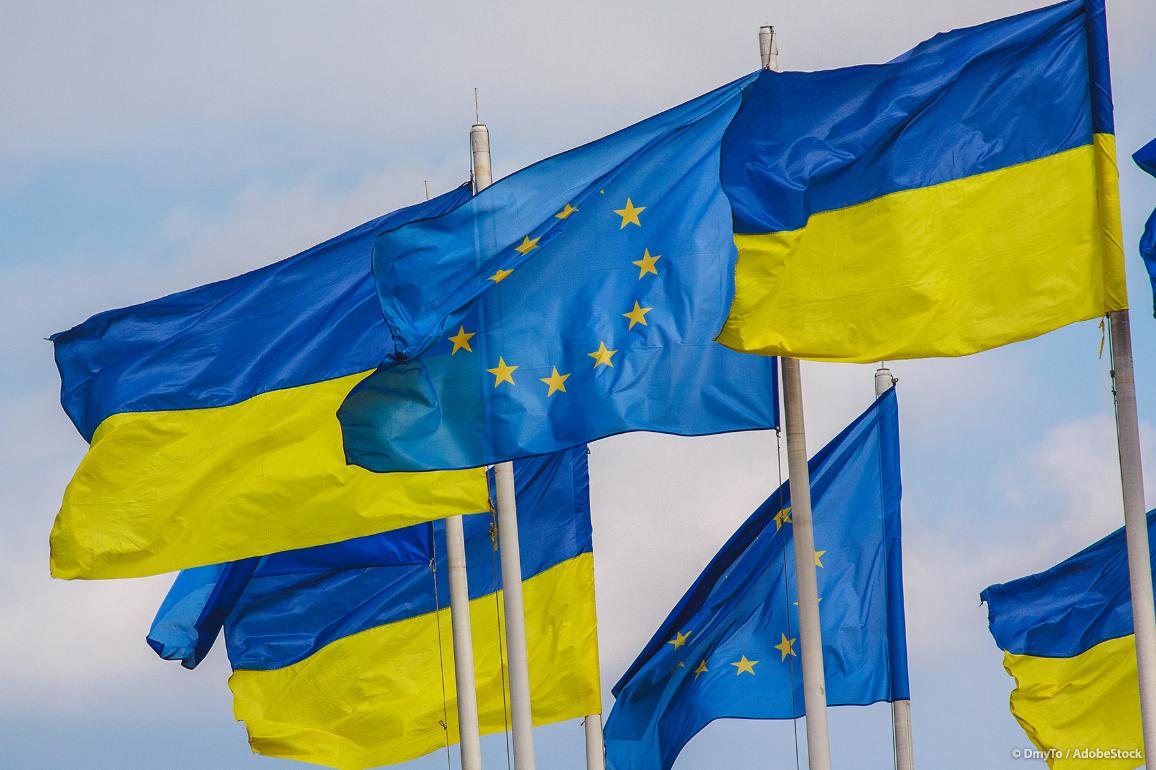
With influential Ukrainian MP Ivanna Klympush on the clash with Poland, Andrej Babiš’s trip to Ukraine and future coexistence with Russia.
Ivanna Klympush-Tsintsadze (54)
A Ukrainian journalist and politician, born in Kyiv. From 2016 to 2019 she served as deputy prime minister for European affairs in the government of Volodymyr Hrojsman. Since 2019 she has been a member of the Ukrainian parliament for the Petro Poroshenko Bloc.
In the Ukrainian parliament you chair the committee for integration into the European Union. Will Ukraine become a member of the EU?
Definitely. It will not be easy, the road will be bumpy, but I think it is out of the question that it would not happen!
When do you think that will happen?
There are many unknowns, so it is difficult to estimate. Those unknowns are on both sides, Ukrainian as well as European.
What do you see as the biggest obstacle to accession on each side?
I will start with the European side. I really appreciated that in 2022, after Russia launched its full‑scale invasion of my country, there was a geopolitical shift in the minds of many Europeans and a debate opened up about enlarging the Union to include Ukraine. Logically, this was accompanied by a discussion on how to reform the EU from within so that enlargement could actually happen. I have the feeling that these reflections on the necessary reform of the Union itself have somewhat subsided. That is a mistake; neither Ukraine nor any of the other candidate countries want to strive for membership for an indefinite period. The EU itself must also implement some changes in time, prepare more for our accession so that it becomes possible. The window of political opportunity for accession – and this is another complication – can also keep changing within the Union. In individual European states, political forces that will resist it can temporarily come to power.
And what about Ukraine? What most complicates your path to Europe?
Martial law has created, for some of our politicians in office, the temptation to roll back things that we thought had been protected since the Revolution of Dignity in 2014 and were taken for granted. I am talking about the decentralisation of power, about preserving certain freedoms, for example non‑interference with media freedom. This has to improve; we still have a number of domestic arrears to clear up. But I think everything is manageable. I was very pleased that this June the first round of accession negotiations with the EU was opened after Hungary, with its new government, lifted its blockage. This gives us new motivation, because we are in a real process.
What would you say to Europeans who are afraid of your country joining the EU because of high corruption?