With the Wimbledon Championships set to begin on Monday, Pete Fairchild takes us through the (very) complex tax issues players face. At Wimbledon, while spectators sip on Pimm’s and eat strawberries, the world’s top tennis players are earning income on British soil. For stars such as Jannik Sinner and Carlos
 Pete Fairchild



Friday 26 June 2026 11:30 am | Updated: Friday 26 June 2026 9:35 am
With the Wimbledon Championships set to begin on Monday, Pete Fairchild takes us through the (very) complex tax issues players face.
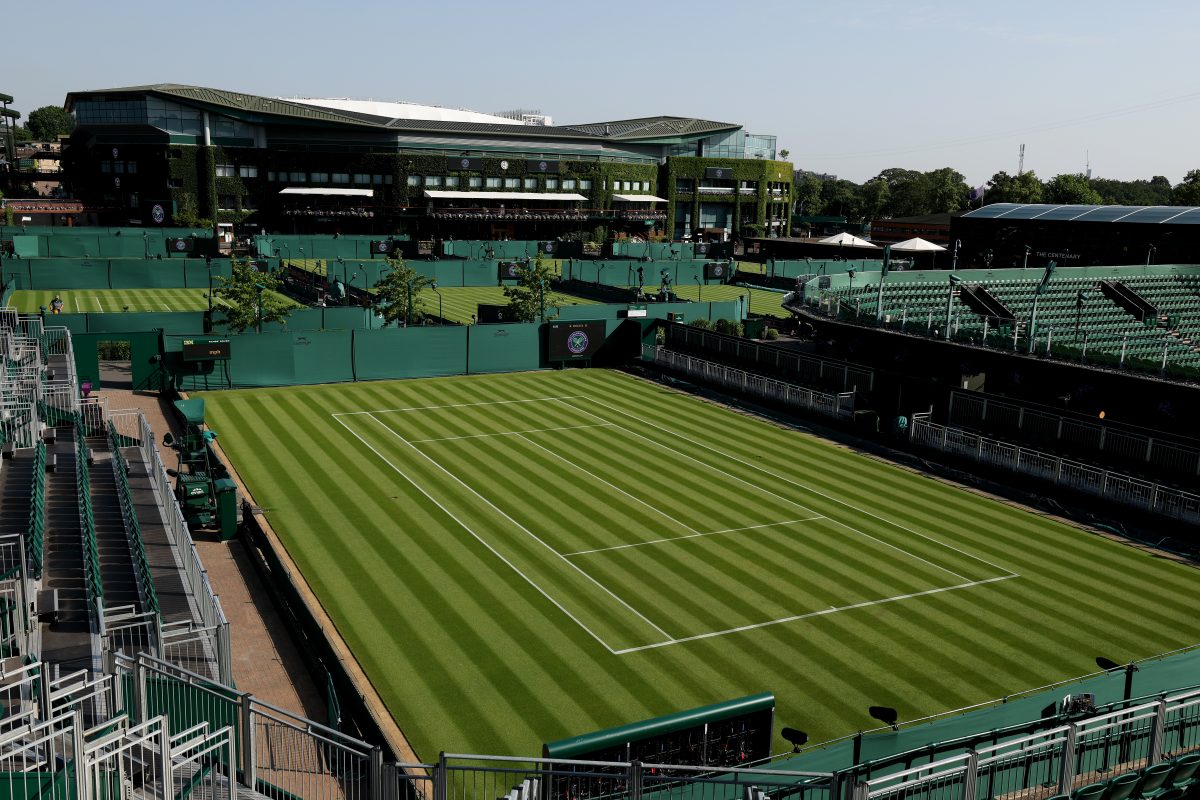
At Wimbledon, while spectators sip on Pimm’s and eat strawberries, the world’s top tennis players are earning income on British soil. For stars such as Jannik Sinner and Carlos Alcaraz, competing in London means stepping into one of the most complex tax regimes in global sport.
Most overseas professionals temporarily visiting the UK for work do not incur a UK tax charge. If a UK tax liability does arise, the individual will offset all or some of that charge by a double tax treaty. This treatment doesn’t extend to non-UK tennis players who are taxable in the UK on income earned in connection with their performance in the UK.
Wimbledon players face a different tax game
All prize money paid to non-UK players is subject to 20 per cent withholding tax at source, but this is often only the starting point. Players are required to register for UK self-assessment and may ultimately face income tax rates of up to 45 per cent on their tournament earnings, after accounting for allowable expenses such as travel, accommodation and coaching. This cashflow disadvantage can be mitigated with an application to HMRC’s foreign entertainers’ unit for tax to be applied to the net profit anticipated, rather than the gross amount of the appearance fee.
What makes the UK regime particularly unique is that it does not stop at prize money. Unlike most countries, the UK can also tax a proportion of a player’s global endorsement income where it is connected to their performance at Wimbledon, significantly increasing the overall tax exposure of competing on British soil.
#mc_embed_signup { background: #fff; clear: left; font: 14px Helvetica, Arial,sans-serif; width: 100%; max-width: 600px; margin: 20px 0; } #mc-embedded-subscribe-form { margin: 20px 0 !important; } .newsletter-form-flex { display: flex; gap: 0; align-items: center; margin-top: -10px; } .newsletter-form-flex input[type=”email”] { flex: 1; padding: 2px 10px; border: 1px solid rgb(18, 22, 23) !important; border-radius: 12px 0 0 12px !important; } .newsletter-form-flex input[type=”submit”] { padding: 4px 10px !important; margin: 0 !important; background-color: rgb(18, 22, 23) !important; color: rgb(255, 255, 255) !important; border: 1px solid rgb(18, 22, 23) !important; border-radius: 0 12px 12px 0 !important; } .newsletter-banner-content { margin-bottom: 15px; } .newsletter-banner-content h2 { margin: 0 0 10px 0; font-size: 18px; font-weight: 600; } .newsletter-banner-content p { margin: 0 0 10px 0; line-height: 1.5; } .newsletter-banner-content ul, .newsletter-banner-content ol { margin: 0 0 10px 20px; } .newsletter-banner-content a { color: #0073aa; text-decoration: none; } .newsletter-banner-content a:hover { text-decoration: underline; } .newsletter-banner-content img { max-width: 100%; height: auto; margin: 10px 0; } #mc_embed_signup #mce-success-response { color: #0356a5; display: none; margin: 0 0 10px; width: 100%; } #mc_embed_signup div#mce-responses { float: left; top: -1.4em; padding: 0; overflow: hidden; width: 100%; margin: 0; clear: both; } Players can leave Grand Slam financially worse off
HMRC’s decision to tax endorsement income has been met with criticism, as it deters athletes from competing in the UK. Both Roger Federer and Rafael Nadal played ‘warm-up’ tournaments for Wimbledon overseas, while other stars like Usain Bolt have similarly avoided participating in events. This could be due to tax concerns.
For those that do compete, the tax complexity continues. A singles player knocked out of Wimbledon in the first round will receive approximately £66,000 in prize money, but could still end up going home with a net loss if they have considerable global endorsement income. This is because HMRC’s assessment is based on a player’s performance and training days in the UK versus overseas.
Read more Wimbledon hikes prize money but refuses to bow to tennis stars’ demands Wimbledon scenario Prize money £66,000 Less – travel and accommodation expenses £(10,000) Net profit £56,000 Global endorsement income = £2m RTPD* allocation 15/300 x £2m £100,000 Total income assessable to UK tax £156,000 UK income tax due £56,203** *relevant training & performance days **using 2026/27 tax rates
Here, UK tax is greater than the net prize money received. The player returns home financially worse off than when they arrived.
Tax exemptions
A notable exemption to the UK’s fairly strict approach to taxing international athletes was introduced for the 2012 London Olympic and Paralympic Games, where income earned by the athletes in connection to the event was exempt from income and corporation tax.
Looking ahead, the UK may need to continue offering similar targeted tax reliefs if it is to attract and retain major international sporting events, particularly as other jurisdictions adopt more favourable regimes to attract athletes and organisers.
Curiously, it appears unlikely that competitors at Wimbledon will benefit from any comparable relief in the near future. Wimbledon operates without the need for such incentives, meaning players must continue to navigate a relatively complex, and at times, onerous tax environment. Financial planning therefore becomes part of the wider preparation for competing on the lawns of SW19.
Pete Fairchild is a partner and national head of private client at Crowe UK LLP.
Read more Wimbledon property market drops ball ahead of Grand Slam
Similarly tagged content: Sections Categories People & Organisations Related Topics