


The European Commission has proposed a €3.2 billion financial package for Montenegro under the European Union’s next seven-year budget, based on the working assumption that the country could join the EU at the beginning of 2028. In doing so, Podgorica has received a second major signal in just a few
 EWB
EWB



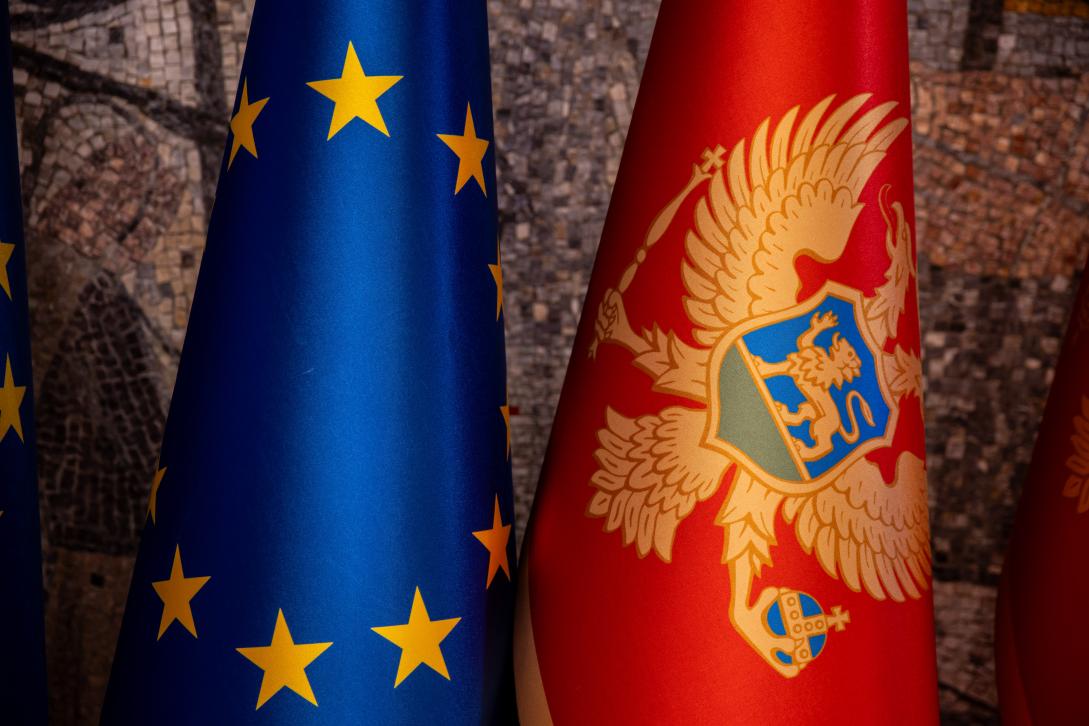
The European Commission has proposed a €3.2 billion financial package for Montenegro under the European Union’s next seven-year budget, based on the working assumption that the country could join the EU at the beginning of 2028.
In doing so, Podgorica has received a second major signal in just a few months that its accession is no longer an open-ended negotiating process. The first was the start of work on the Accession Treaty. The second is the moment Brussels, for the first time in more than 15 years, calculated the financial cost of admitting a new member state.
In Brussels, there is a long-held belief that enlargement becomes truly serious only once the discussion turns to money: how much a new member will receive, how much it will contribute to the common budget, and what its accession will ultimately cost the European Union.