
With Chinese electric car giant BYD already under fire over allegations of forced labour and huge state subsidy that is destroying Europe’s domestic car industry, Hungarian former foreign minister Péter Szijjártó’s latest move exposes just how easily powerful insiders can cross the line between public office and private corporate interests.
 Elena Sánchez Nicolás



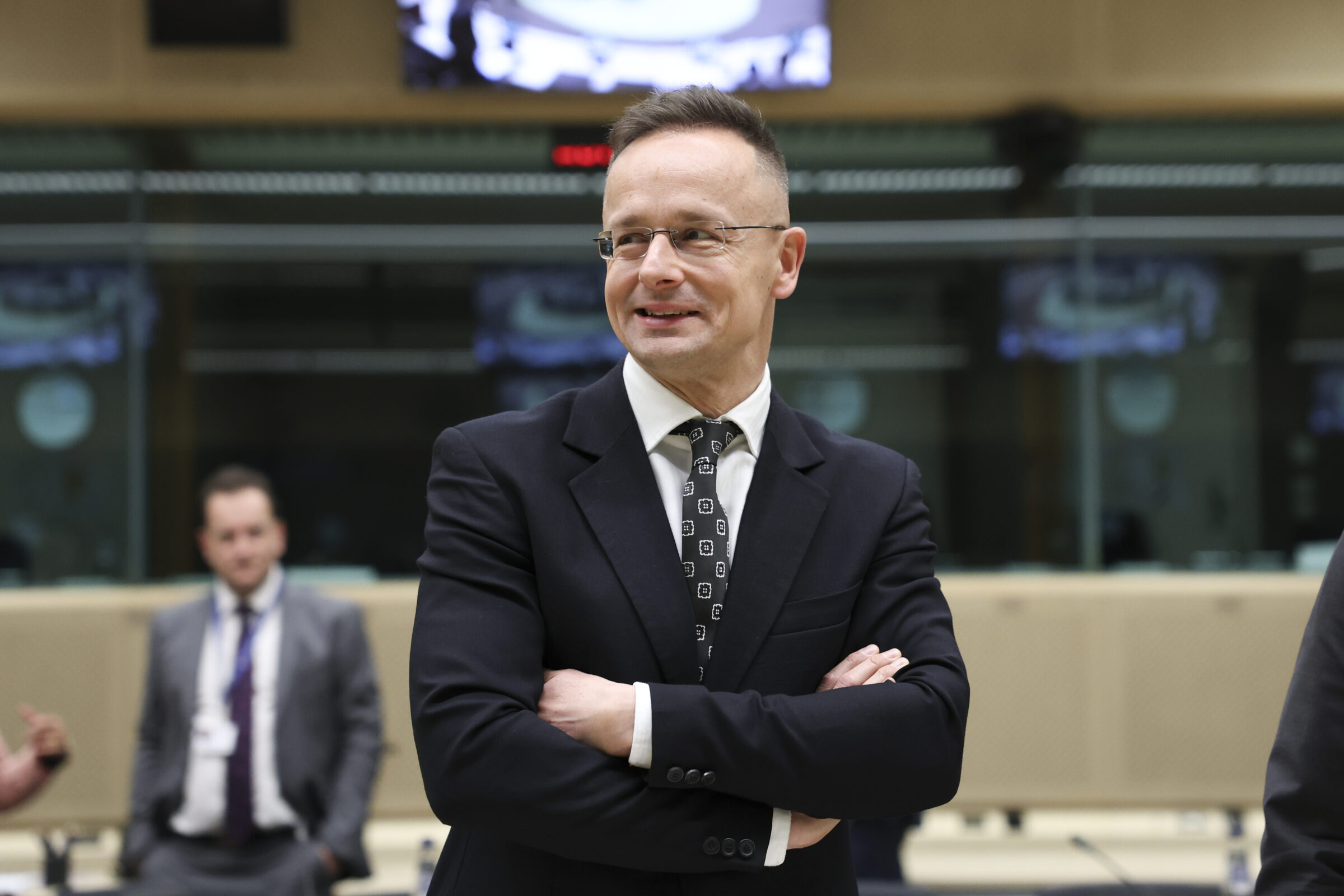
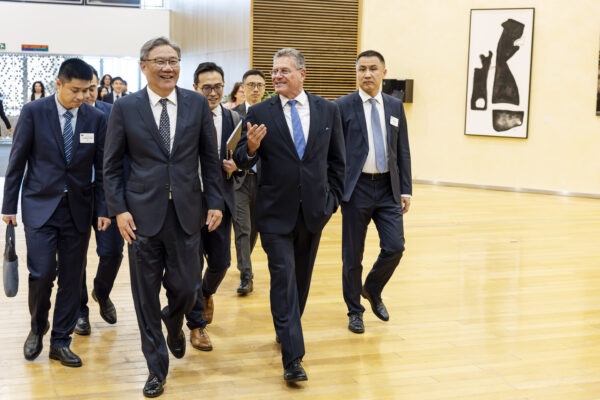
The Hungarian former trade and foreign affairs minister Péter Szijjártó is resigning as an MP after receiving what he called an “extremely honourable offer from one of the defining companies of the global economy”. That is, for an executive position at BYD — the massive Chinese manufacturer of electric cars.
“The only difference from before is that, from now on, Péter Szijjártó will no longer be paid by the Hungarian people for the same ‘work,’ but by his actual employer,” prime minister Péter Magyar responded scathingly on social media.
Szijjártó was the face of ex-prime minister Viktor Orbán’s ‘Eastern Opening’ doctrine, which sought deeper economic ties with China, Russia and other Asian countries.
In recent years, Orbán’s government has attracted about a quarter of all Chinese investment in Europe with tax breaks and infrastructure projects.
Chinese giants including Huawei, BRI, and BYD have all relocated or set their European HQ in Hungary.
Above all, BYD received huge Hungarian and Chinese state subsidies for their plant in the region of Szeged, prompting a 2025 EU investigation into potential illegal foreign state aid — which is still ongoing.
China’s electric car exports (and now also their production sites) have been creating tension within Europe for years, becoming a major geopolitical and economic battleground.
Following a massive anti-subsidy probe launched in late 2023, the European Commission imposed tariffs on Chinese electric cars.
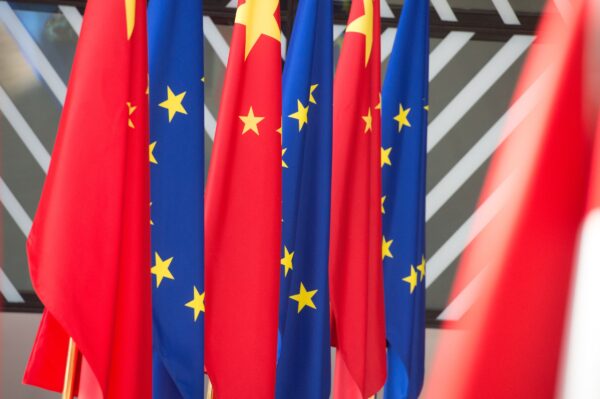
BYD was hit with a 17 percent tariff, on top of the EU’s standard 10 percent car import tax.
Back then, the lack of unity on China policy was already clear. While France and Italy welcomed the tariffs, others like Spain and Germany criticised the move amid retaliation fears. Slovakia and Hungary also opposed it.
To bypass the stiff import tariffs, China quickly moved production within the EU. Examples include BYD’s plant in Hungary, Chery’s joint venture in Spain, and Leapmotor’s assembly in Poland.
Electric shock for Brussels
Chinese brands account for more than 15 percent of electric-vehicle sales in Europe.
And a new wave of economic tensions has prompted policies like ‘Made in Europe’ and threats about new “unilateral” trade weapons to hit China.
But coming back to Szijjártó, the Moscow-friendly minister, known in Brussels for being a Trojan Horse, taking the job at BYD is a good example of the so-called ‘revolving doors’ phenomenon.
In Hungary, there is no cooling-off period requiring him to wait. No disclosure form requiring him to explain the offer. No ethics body he has to answer to. Nada (nothing).
A former minister can leave office on a Wednesday morning and already be walking the halls in the evening of the very company he spent a decade courting on the state’s behalf.
This is however a standard practice in Europe. Only seven member states have some sort of restrictions on post-mandate activities, appointments or acquisition of assets for national parliament members.
But BYD is not just another company.
Two workers have died at the site this year.
The NGO China Labor Watch found alleged forced labour, with Chinese migrant workers facing 14-hour shifts, seven-day weeks, wages withheld for months, recruitment-fee debt bondage, confiscated documents, and workers told to lie to inspectors.
And the subcontractor at the heart of the scandal was a subsidiary of the same Chinese construction conglomerate that was linked to conditions Brazilian labour minister described as “analogous to slavery” at another BYD site in 2024.
The European Commission is aware of the allegations against BYD, but it said it is up to the Hungarian authorities to investigate and act on it.
The company was also fined 10m forint (€28,700) for contaminating the soil, forcing some crops to be destroyed.
As a minister at the time, with close ties to Beijing, Szijjártó was not an outsider to this story.
This week, MEPs in the European Parliament’s budget and budgetary control committees grilled three EU commissioners on Brussels’ frozen funds for Hungary, and whether Brussels can trust the new government.
As the commission is leaning towards unlocking up to €16bn in funds, MEPs are demanding guarantees on anti-fraud measures and conflicts of interest, while questioning whether Budapest’s decision to finally join the European Public Prosecutor’s Office (EPPO) is enough to protect taxpayers’ money.
Hungary’s new government has moved on anti-corruption reforms, judicial independence, and academic freedom.
“There is a clear change of direction in Hungary,” commissioner for the rule of law Michael McGrath said this week.
But these changes don’t seem to apply to China.
Magyar said back in April that he would “review” Chinese investments in the country but “not to shut them down or prevent them from happening.”
Meanwhile, the EU’s car industry still faces “mortal danger” — with some 600,000 jobs at risk, according to the EU Commission.