The EU’s successful push back on a US pricing plan for critical minerals and more commitments on sanctions and defence support for Ukraine were the main breakthroughs at the French-hosted G7 summit – which is followed immediately by an EU summit.
 Benjamin Fox



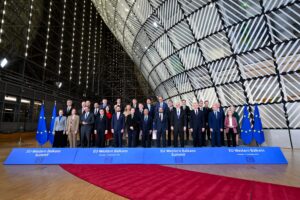
EU leaders will be sick of the sight of each other by Friday (19 June), when five days of non-stop summitry ends after a two-day European Council meeting in Brussels.
But the France-hosted G7 leaders’ meeting in Evian-les-Bains was useful preparation for the EU-27.
The wars in Iran and Ukraine were at the top of the G7 agenda. So, too, was the West’s looming trade dispute with China and how to address Beijing’s dominant position in controlling access to the critical minerals and rare earths which Europe needs for its industrial transition.
For French president Emmanuel Macron, the three-day gathering close to the Swiss border was a diplomatic success. For one thing, president Donald Trump stayed until the summit’s close on Wednesday and did not pick any fights.
That was partly because Paris had stripped out climate policy from the agenda, and abandoned plans to agree a final communique. Instead, leaders agreed a series of joint statements ranging from critical minerals access and international partnerships to human and drug trafficking and migration control.
Across a range of policies, the G7 sets the scene for Thursday’s EU leaders’ summit in Brussels.