

The EU’s efforts to crack down on Big Tech have resulted in weeks of fines and debates to tackle child safety online, and Friday’s investigation into TikTok’s teen account settings is the latest piece of a greater policy puzzle to regulate social media giants.
 Gaia Neiman



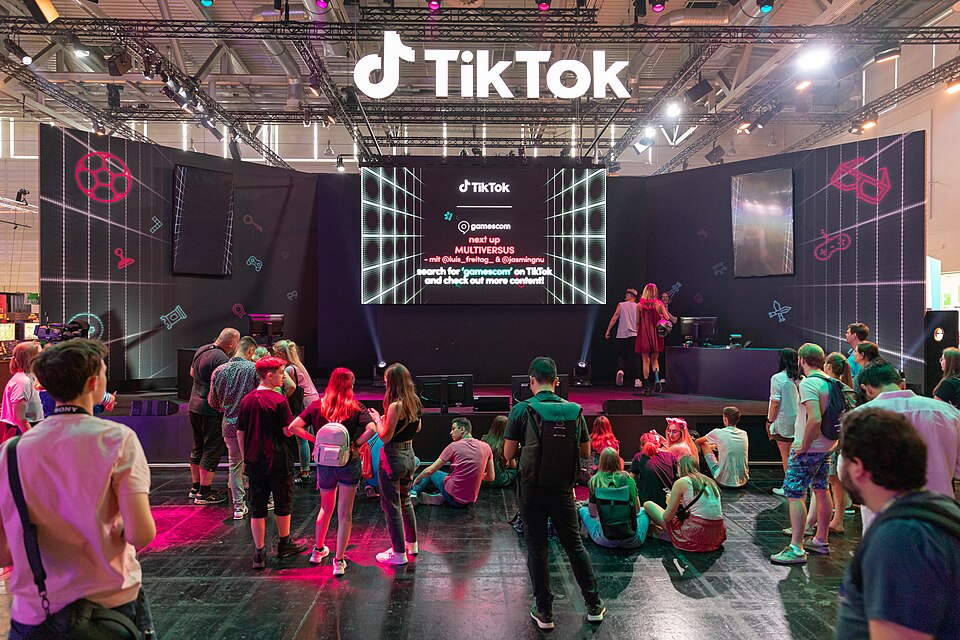
The EU preliminarily found TikTok at fault in exposing minors to danger online on Friday (24 July), with issues with the Chinese social media giant’s account settings possibly to result in a fine.
TikTok is under investigation for the privacy settings of its 13-18 year old users, with the European Commission arguing that the Chinese firm is in breach of the Digital Services Act (DSA).
Minors above 15-years old can choose whether their account stays private, but those choosing to have a public account would have their content visible globally, even to those without a TikTok account.
Users aged between 13 and 15 are also at risk despite default private settings, which the commission attributes to DSA efforts. Yet the commission took issue with the platform’s design choices, allowing the display of profile picture of under 15s even while an account is private.
The minimum age necessary to make a TikTok account is 13.
Features allowing the promotion and recommendation of adolescent accounts was also included as a design issue: “all these are loopholes in the security web that should really be designed around the accounts of teens,” a commission official told the press on Friday.
The status of the EU’s preliminary finding allows TikTok the right to review the commission’s evidence and reply.
Should the findings be confirmed, the commission can issue a fine of up to six percent of the provider’s global annual turnover – which would be up to €1.2bn based on its 2024 revenue.
Despite some safeguarding advancements being made on the platform, EU officials worry that current design concerns and privacy issues leave space for unsolicited content, cyberbullying, predators, exploitation of minors, “or even the long-lasting consequences of the fact that there may be a digital footprint of the children and minors who may not, at this point in time, fully understand their actions,” the official continued.