

Andy Burnham has refused to rule out a wealth tax as part of his economic agenda, saying the country needs a “greater sense of fairness”. In his first formal interview since being all but confirmed as the next Prime Minister, the former Manchester mayor warned that decisions on tax were
 Ali Lyon



Wednesday 15 July 2026 5:25 pm
Andy Burnham has refused to rule out a wealth tax as part of his economic agenda, saying the country needs a “greater sense of fairness”.
In his first formal interview since being all but confirmed as the next Prime Minister, the former Manchester mayor warned that decisions on tax were “going to be difficult” and would have to be taken in time.
Asked whether he might consider introducing a wealth tax on the super rich, he said: “We are going to have to work quite hard to make sure we can pay our way, and at some point that might be having to ask for a little more.”
Burnham’s refusal to rule out a blanket wealth levy comes despite a growing cohort of tax experts and economists warning that a charge on individuals’ net wealth would drive wealth creators away from Britain and generate little cash for the Exchequer.
Tax Policy Associates founder Dan Neidle has said that the duty – the most popular version of which is a two per cent annual tax on a taxpayer’s assets worth more than £10m – would generate “highly uncertain” revenues and stifle foreign investment.
#mc_embed_signup { background: #fff; clear: left; font: 14px Helvetica, Arial,sans-serif; width: 100%; max-width: 600px; margin: 20px 0; } #mc-embedded-subscribe-form { margin: 20px 0 !important; } .newsletter-form-flex { display: flex; gap: 0; align-items: center; margin-top: -10px; } .newsletter-form-flex input[type=”email”] { flex: 1; padding: 2px 10px; border: 1px solid rgb(18, 22, 23) !important; border-radius: 12px 0 0 12px !important; } .newsletter-form-flex input[type=”submit”] { padding: 4px 10px !important; margin: 0 !important; background-color: rgb(18, 22, 23) !important; color: rgb(255, 255, 255) !important; border: 1px solid rgb(18, 22, 23) !important; border-radius: 0 12px 12px 0 !important; } .newsletter-banner-content { margin-bottom: 15px; } .newsletter-banner-content h2 { margin: 0 0 10px 0; font-size: 18px; font-weight: 600; } .newsletter-banner-content p { margin: 0 0 10px 0; line-height: 1.5; } .newsletter-banner-content ul, .newsletter-banner-content ol { margin: 0 0 10px 20px; } .newsletter-banner-content a { color: #0073aa; text-decoration: none; } .newsletter-banner-content a:hover { text-decoration: underline; } .newsletter-banner-content img { max-width: 100%; height: auto; margin: 10px 0; } #mc_embed_signup #mce-success-response { color: #0356a5; display: none; margin: 0 0 10px; width: 100%; } #mc_embed_signup div#mce-responses { float: left; top: -1.4em; padding: 0; overflow: hidden; width: 100%; margin: 0; clear: both; } Burnham: Country needs ‘greater sense of fairness’
During her stint as Chancellor, which is expected to come to an end next week, Rachel Reeves has launched consecutive tax crackdowns on wealth, including the abolition of the non-dome regime and a so-called mansion tax on expensive homes. But the Chancellor has also repeatedly opted against introducing a blanket wealth tax, saying she is “not even sure whether it would work”.
Any departure by Burnham from that position would mark a major leftward economic lurch from the incoming Prime Minister, who has largely swerved announcing any specific economic or social policies since winning the Makerfield byelection last month.
The former culture secretary has instead laid out themes and priorities which his government would prioritise, including a major devolution push driven by a northern branch of 10 Downing Street in Manchester.
Where they have been tried recently, wealth taxes have often failed to generate significant revenue and sparked an exodus of wealthy individuals. In the early 1990s, as many as 12 countries levied a blanket tax on super-rich residents’ wealth. But almost all of those countries have since repealed or abandoned the policies, which also prove to be fairly costly to implement.
Proponents of the tax hold it up as a solution to the large concentration of wealth in the hands of a few super-rich individuals. They argue more than a decade of ultra-low interest rates set off a boom in asset prices that was not reflected in average workers’ incomes, which should be rectified with a fiscal crackdown on wealth.
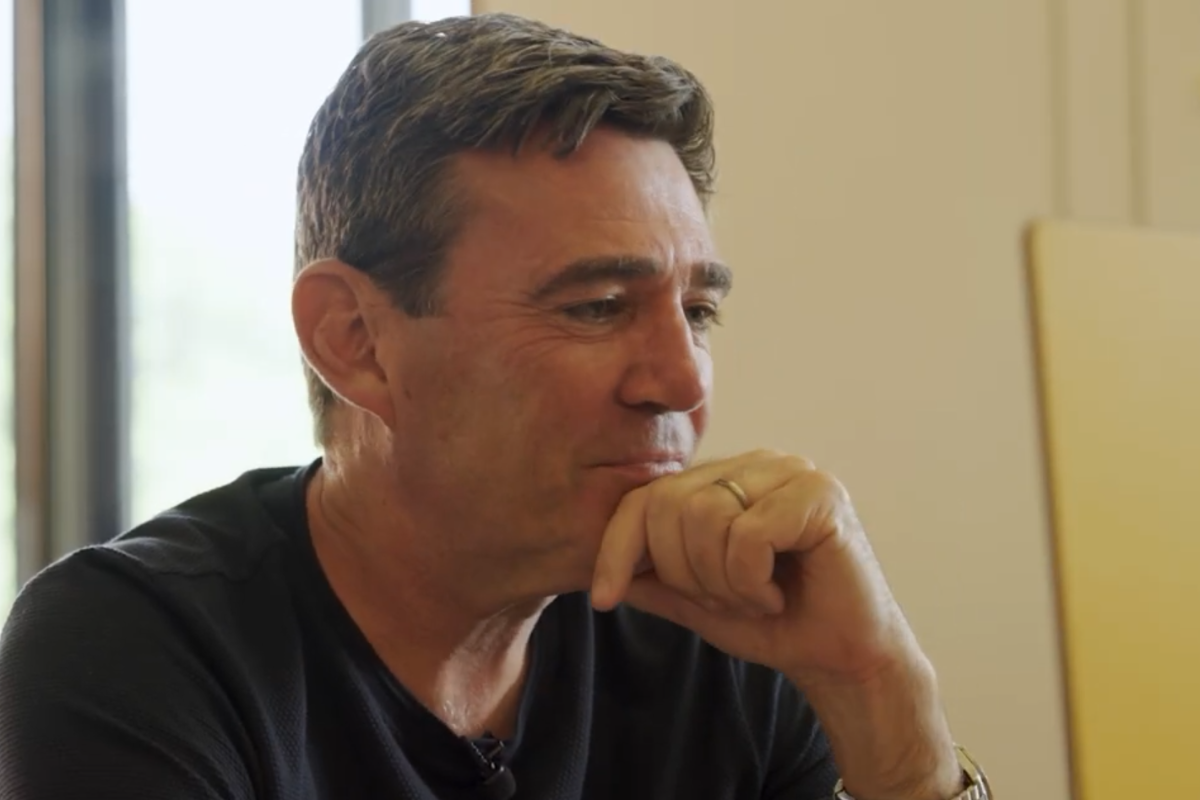
“I do believe we need a greater sense of fairness and people feeling that things are being done in the right way and in a fair way,” Burnham said in an interview with former Match of the Day presenter Gary Lineker. “But at the same time I don’t want to sort of be perceived as somebody who’s coming in with grudges and agendas, and [who’s] going to just immediately find or demonise on group or create a new way of dividing people.”
Read more Burnham refuses to rule out ‘exit tax’ as founders warn of wealth exodus
Similarly tagged content: Sections Categories People & Organisations