
The battle over this 21st sanctions round lays bare a new fault line in Europe’s Russia policy, with Greece and Austria securing sensitive carve-outs.
 Soňa Weissová



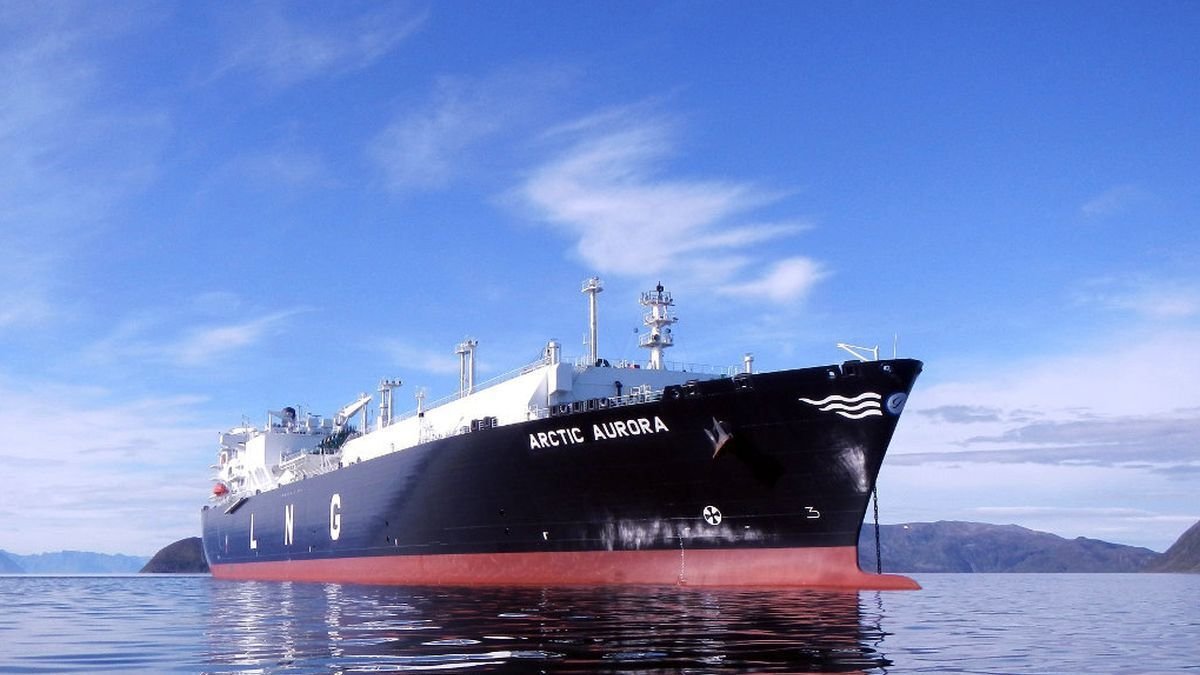
The European Union is still trying to find ways to slow Russia’s war machine in Ukraine. But its member states are becoming increasingly less able to agree on how to do so.
Nevertheless, after lengthy and chaotic talks on Wednesday (22 July), they managed to agree on the 21st sanctions package against Russia on Thursday morning.
While previous rounds had regularly been blocked by Viktor Orbán, the now former Hungarian prime minister, with prime minister Robert Fico also backing him in recent months, this time a new country took the lead in opposing the measures: Greece, which held up the entire latest package over one part of the sanctions.
Athens insisted on an exemption for Russian liquefied natural gas (LNG). In the end, however, it succeeded in securing a major concession for its shipping companies by easing a ban that the EU had approved back in 2025.
However, this diplomatic success for Greece means that the sanctions will be weaker than they could have been.
As Euronews noted regarding the new sanctions measure, it once again showed that national interests had prevailed over the common European objective.
In Greece’s case, the national interest became intertwined with a single company and a single man: a Greek oligarch who owns a fleet of tankers and managed to keep the entire European Union on edge.
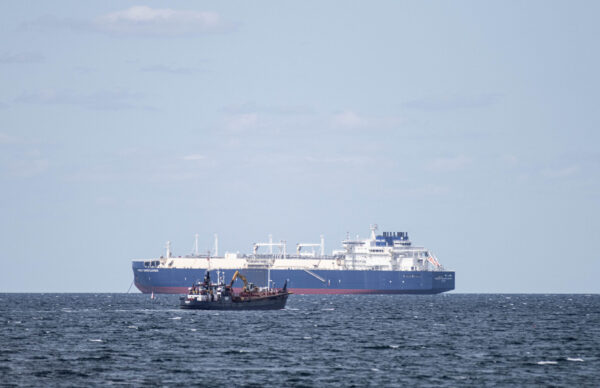
Greek business
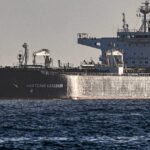
The government in Athens argued that a ban on transporting Russian LNG would have a devastating impact on its shipping industry.
It therefore requested an exemption from the ban on transporting Russian liquefied natural gas, which is due to take effect on 1 January 2027 — despite having agreed to the measure in October 2025.
According to some sources, frustration among the wider EU with Greece was therefore palpable, as they disliked the reopening of an issue that had already been agreed.
A year earlier, the member states had committed to banning “the purchase, import or direct or indirect transfer of LNG originating in or exported from Russia”.
However, Athens began to argue that it had not agreed for the ban to apply to trade with so-called third countries outside the Union. It therefore blocked the entire 21st sanctions package in its effort to secure an exemption.
This ultimately forced the EU into a compromise: Greece secured an exemption for exports of Russian LNG outside the EU, provided that the contract had been concluded before the start of Russia’s aggression against Ukraine.
As the Frankfurter Allgemeine Zeitung noted, some of these contracts are concluded for as long as 20 years.
According to Euronews, the member states opted for the most controversial option, as Brussels has particular experience with granting exemptions. In 2022, Hungary and Slovakia were granted an exemption to buy Russian oil through the Druzhba pipeline, creating a significant loophole in an otherwise strict ban.
This provision remains in force this year and was at the centre of a contentious veto earlier this year.
According to Euronews reporter Jorge Liboreiro, this is a major victory for Greece and its company Dynagas.
This is a major win for Greece and for Dynagas, the company that ships Russian LNG.
It’s also a major concession from other member states, as it rewrites a ban that was already EU law.
Once again, a country proves how powerful a veto can be when it’s pushed to the limit. https://t.co/6p17djdMOy
— Jorge Liboreiro (@JorgeLiboreiro) July 23, 2026
A single Greek billionaire
Greece is one of the world’s leading maritime powers. Its shipowners control about a fifth of the global merchant fleet and are particularly strong in tanker transport, including LNG.
Athens feared that Greek vessels would lose lucrative contracts while Russia would simply find tankers from other countries — such as China, India or the United Arab Emirates — and would therefore continue exporting gas despite the losses for Greek companies.