The ruling by the General Court strengthens the European Commission’s enforcement of the Digital Markets Act.
 Jacob Parry



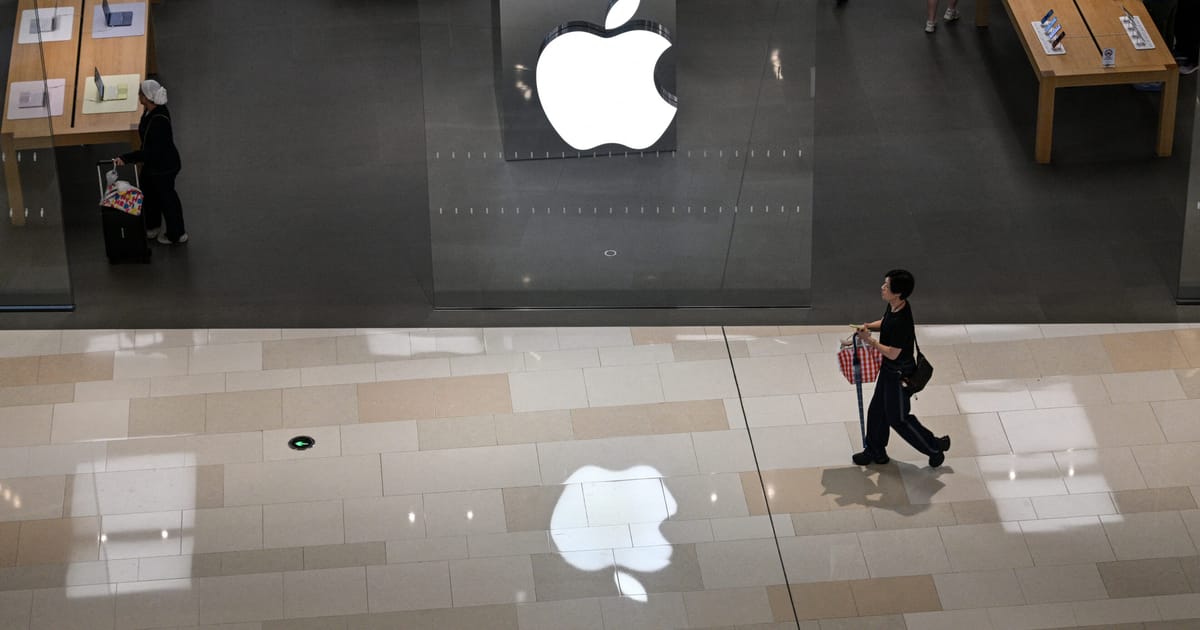
Apple, which has filed five separate legal challenges against the Commission under the regulation, is among the most litigious of the designated gatekeepers.
The court threw out Apple’s argument that the DMA’s interoperability obligations violated its fundamental rights without ruling on the substance, finding the provision had no direct legal connection to the designation decision.
It also rejected Apple’s bid to have its five App Stores treated as separate services. The stores — covering iPhone, iPad, Apple Watch, Mac and Apple TV — all serve the same purpose of connecting developers with end users regardless of the device, the court found.
Responding to the ruling, Apple said it still believed the DMA goes too far, but declined to say whether it planned to appeal.
“We firmly believe the DMA’s mandate goes beyond what is lawful and proportionate, threatening to erode decades of privacy and security protections we’ve built and leaving our users vulnerable to new risks,” an Apple spokesperson said. “We will continue advocating for the innovation and privacy our European customers deserve.”
Increasingly fraught
The relationship between Apple and Brussels has grown increasingly fraught. The two sides clashed publicly last month after Apple said the DMA’s rules had prevented it from launching its upgraded Siri AI assistant in the EU, leaving users in the bloc cut off from the service.