Individuals acquitted of war crimes in Bosnia and Herzegovina have received far more money in compensation than the survivors of war crimes. The latter wait for decades and often never receive reparations.
 Dzana Brkanic



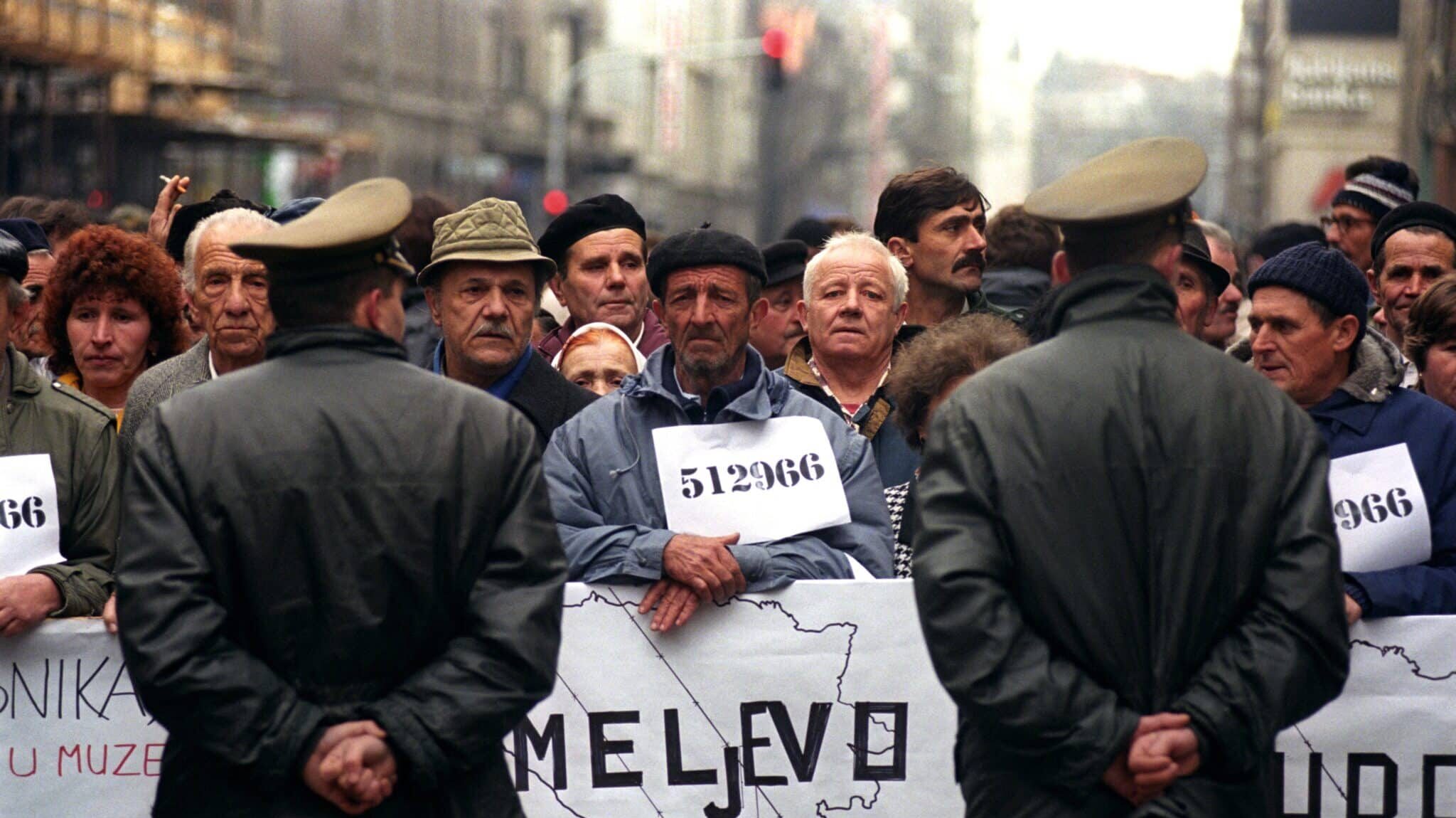
Compensation is not merely a matter of money, but of acknowledging the harm done and a confirmation that justice, at least partially, has been served, experts say.
But survivors’ associations say people acquitted of war crimes are compensated quicker.
“The key difference is that people who have been acquitted generally manage to collect the amount awarded in a relatively short time, while victims, despite final verdicts, often wait years for payment or never receive it at all,” said Women Victims of War. “This situation further deepens the sense of injustice among those who suffered.”
Azra Frlj, psychologist at the Progress Association, said conflict-related sexual violence has consequences that can follow a survivor for the rest of their life.
“In addition to the psychological consequences, many survivors carry the burden of stigma, silence, impaired health, economic difficulties, lengthy court proceedings, and the wait for their experiences to be recognised and acknowledged,” said Frlj.
From the perspective of psychological recovery, Frlj said, it is not only important whether compensation has been awarded.
“What matters is the message society sends to people who have survived serious human rights violations,” Frlj told BIRN. “When individuals wait years or decades for verdicts to be enforced, rights to be realised, or access to the support they need, it deepens feelings of invisibility, abandonment, and mistrust toward institutions.”
“Prolonged delays in reparations affect health, quality of life, sense of security, and overall possibility to recover.”
In 2017, TRIAL International represented a survivor of conflict-related sexual violence who filed a lawsuit against Bosnia before the UN Committee against Torture, alleging failure to provide an effective and enforceable right to adequate and fair compensation and the fullest possible rehabilitation.
Two years later, the UN Committee ordered Bosnia to publicly apologise to the survivor, pay compensation as soon as possible, and systematically address the issue of reparations at the state level. Today, the survivor is still waiting for compensation, and four other survivors have since appealed to the same UN Committee.
More than three decades after she was raped, Sara’s ordeal goes on.
“I faced my perpetrator directly,” she said. “He did what he did in my apartment. Can you imagine what it was like for me to live afterwards, when I hadn’t told my husband or my children?”
*Name changed to protect the survivor’s identity.
The article was written as part of a project funded by the Swedish International Development Cooperation Agency (SIDA) and the Kvinna till Kvinna Foundation.