The Financial Action Task Force’s decision to put Bosnia back on its ‘watch list’ will deter international investors and place fresh obstacles on Bosnia’s European path, experts warn.
 Selma Melez



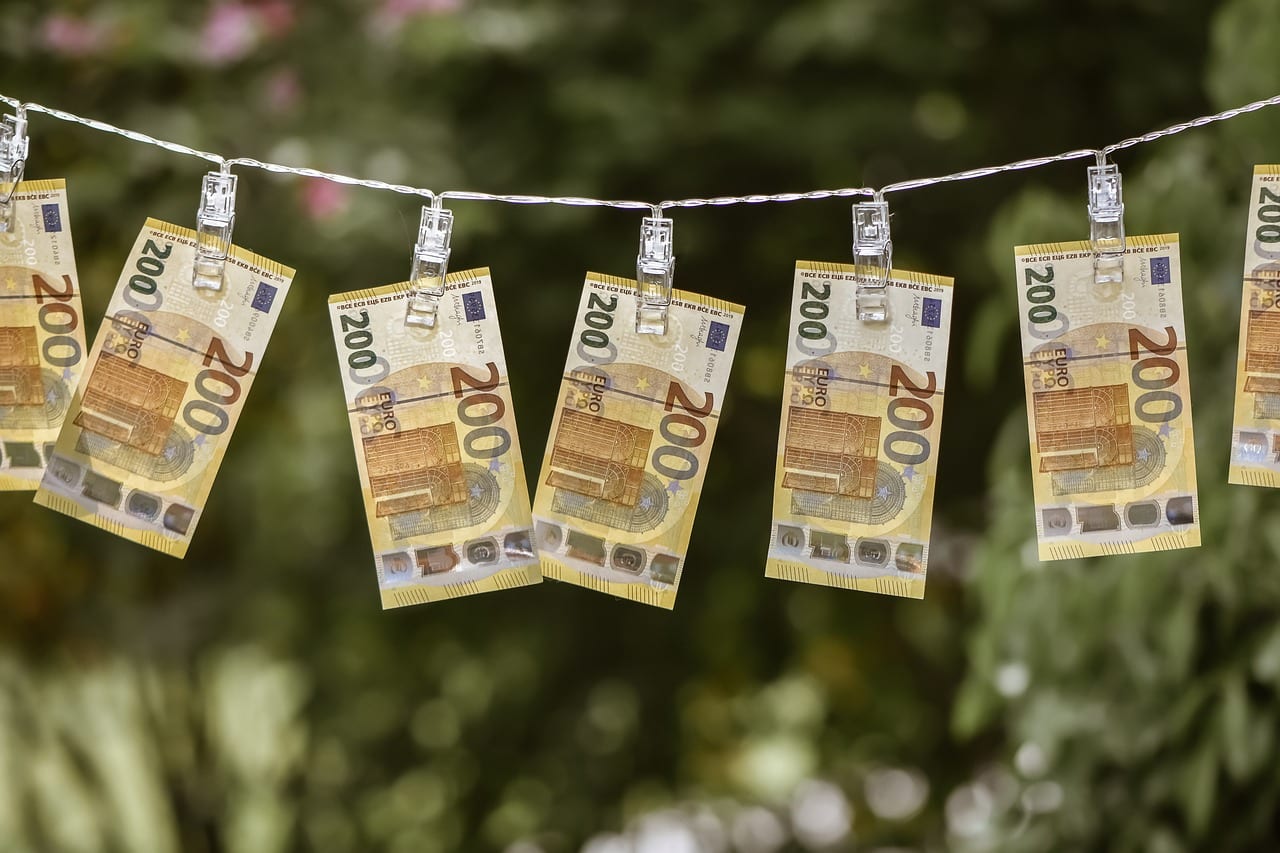
Experts say that being put on the “grey list” will negatively affect Bosnia’s economy by worsening control and payment delays.
Sweden and Switzerland have already increased controls over transactions with Bosnia, which shows how quickly trust of international financial markets can be lost, and how slowly it is regained, a representative of the Foreign Trade Chamber of Bosnia and Herzegovina explained.
He warned that this situation sends a negative signal to international financial institutions, investors and partners, and creates a fresh obstacle on Bosnia and Herzegovina’s European path.
“There will be a significant slowdown in international financial transactions. In practice, this means additional controls and delays in payments and disbursements from and to Bosnia and Herzegovina, increased business costs and more difficult cooperation between domestic businessmen and foreign partners,” the representative of the Chamber explained.
“Exporters are particularly at risk, given that more than 73 per cent of Bosnia and Herzegovina’s total exports go to the European Union market,” he added.
The same representative pointed out that increased supervision of financial flows and extended payment deadlines reduce the competitiveness of domestic companies, increase business risks and can lead to contract termination and loss of markets.
“This is particularly problematic given that a stable financial system and the fight against money laundering are key conditions in the process of accession to the European Union,” he said.
Ordinary Bosnians will likely feel the negative consequences through rising prices of goods and services, a possible increase in interest rates, difficulties with international payments and disbursements, as well as slower remittances from abroad.
A disrupted investment environment could result in a decrease in foreign investment and a further weakening of the economy at a time when Bosnia needs new investments and strengthening economic growth in line with EU standards.
“What is particularly worrying is that the process of leaving the ‘grey list’ takes between two and four years, and that any potential return to this list would have long-term consequences that would be difficult and slow to remedy,” the representative of the Foreign Trade Chamber pointed out.
The Chamber urges competent institutions to take urgent measures to protect the economy, preserve financial stability and ensure the continuation of Bosnia’s European path in the interests of the economy and all its citizens.
BIRN previously reported that if Bosnia found itself back on the “grey list”, this could affect the disbursement of EU funds, including millions planned through the Growth Plan.
The EU Delegation to Bosnia has said it understood the political commitment of the domestic authorities to eliminate any strategic shortcomings planned through the Growth Plan.
“The European Union has provided significant technical assistance to Bosnia and Herzegovina in this area through EU-funded programmes and is ready to continue supporting Bosnia and Herzegovina in implementing the measures envisaged with the domestic Action Plan for FATF,” it said.
“Progress in implementing these reforms also contributes to the country’s progress on its European path,” the Delegation explained.
The Delegation urged Bosnia’s authorities to dedicate themselves to implementing necessary reforms also because of SEPA.
What is SEPA?
The Single Euro Payment Area, SEPA, sets down the rules for making cashless payments across Europe under similar terms to domestic transactions; within SEPA, banks charge the same amount of fees domestically and internationally for Euro transactions.
It covers the 27 EU member states plus Andorra, Iceland, Norway, Switzerland, Liechtenstein, Monaco, San Marino, the United Kingdom, Vatican City State, Mayotte, Saint-Pierre-et Miquelon, Guernsey, Jersey and the Isle of Man. EU aspirant countries Albania, North Macedonia, Montenegro, Moldova and Serbia are also members.
SEPA is represented by the European Payment Council, an international not-for-profit organisation which represents payment service providers, PSPs, harmonising them within SEPA.