Calls are growing for Democratic League of Kosovo leader Lumir Abdixhiku to stand aside and let someone else try and restore the party’s standing, lost two decades ago when its founding father and Kosovo independence icon Ibrahim Rugova died.
 Perparim Isufi



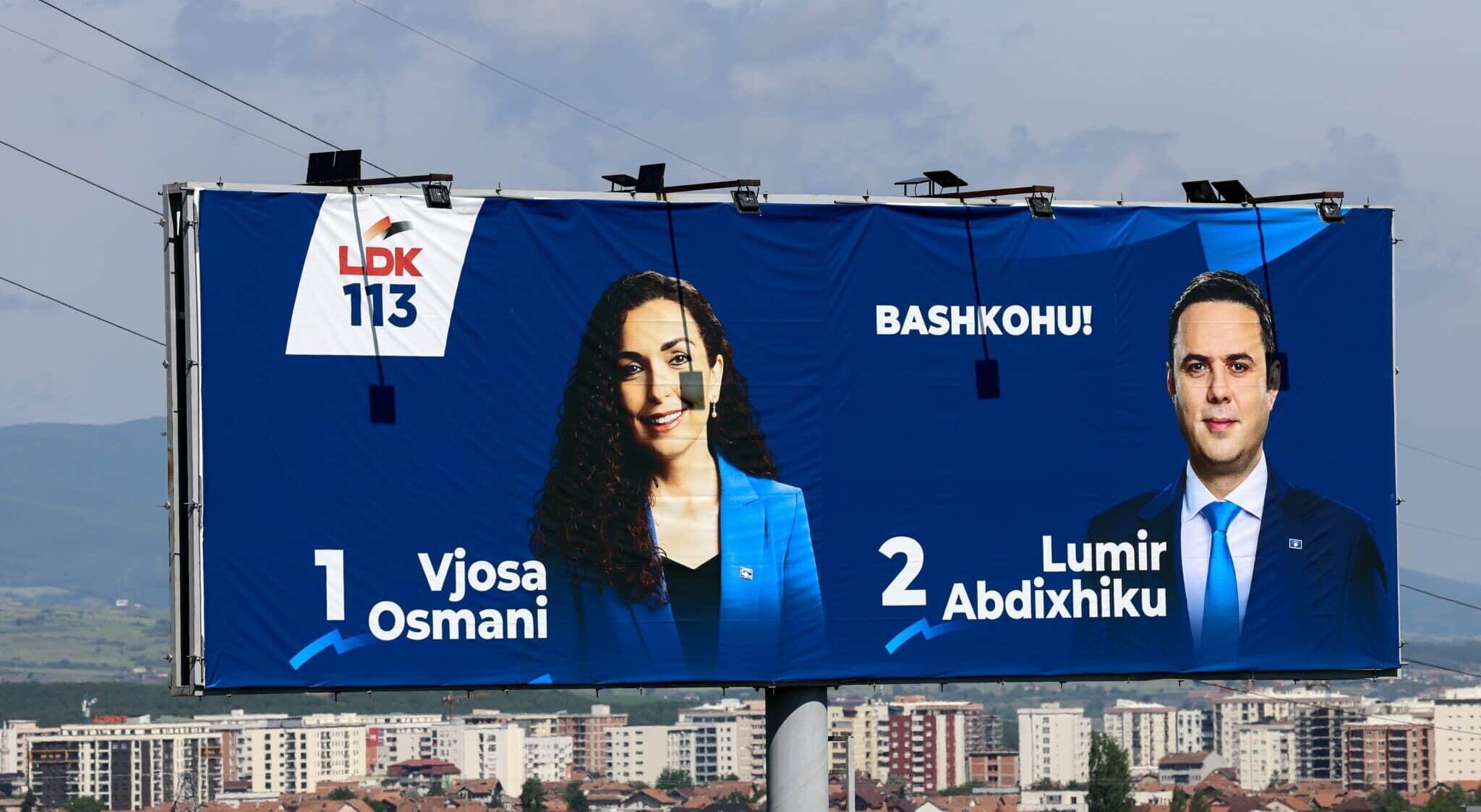
A couple of hours after polls closed in Kosovo’s June parliamentary election and with votes still being counted, Lumir Abdixhiku and Vjosa Osmani appeared before television cameras to claim – if not victory – a success of sorts.
Early results, they said, suggested the Democratic League of Kosovo, LDK, was the only party to increase its share of votes and seats from the last election in December. Instead of 15 seats, the LDK would have 20.
In fact, LDK ended up with 18 seats, a meagre rise on its last outing and still a dismal return for a party so steeped in history.
Founded in 1989, the LDK was the first political party representing ethnic Albanians in what was then a southern province of Serbia, a Yugoslav republic. Led by Ibrahim Rugova, the LDK masterminded a decade of passive resistance, parallel education and administration in response to Serbian repression.