In a world where digital ownership is increasingly rare, Simon Hunt returned to technology from 2007 – and hasn’t looked back. Not since childhood had I been this excited to open a parcel. I tore through layers of brown sticky tape, clawed through the cardboard box and unpeeled the bubble
 Simon Hunt



Wednesday 01 July 2026 11:11 am
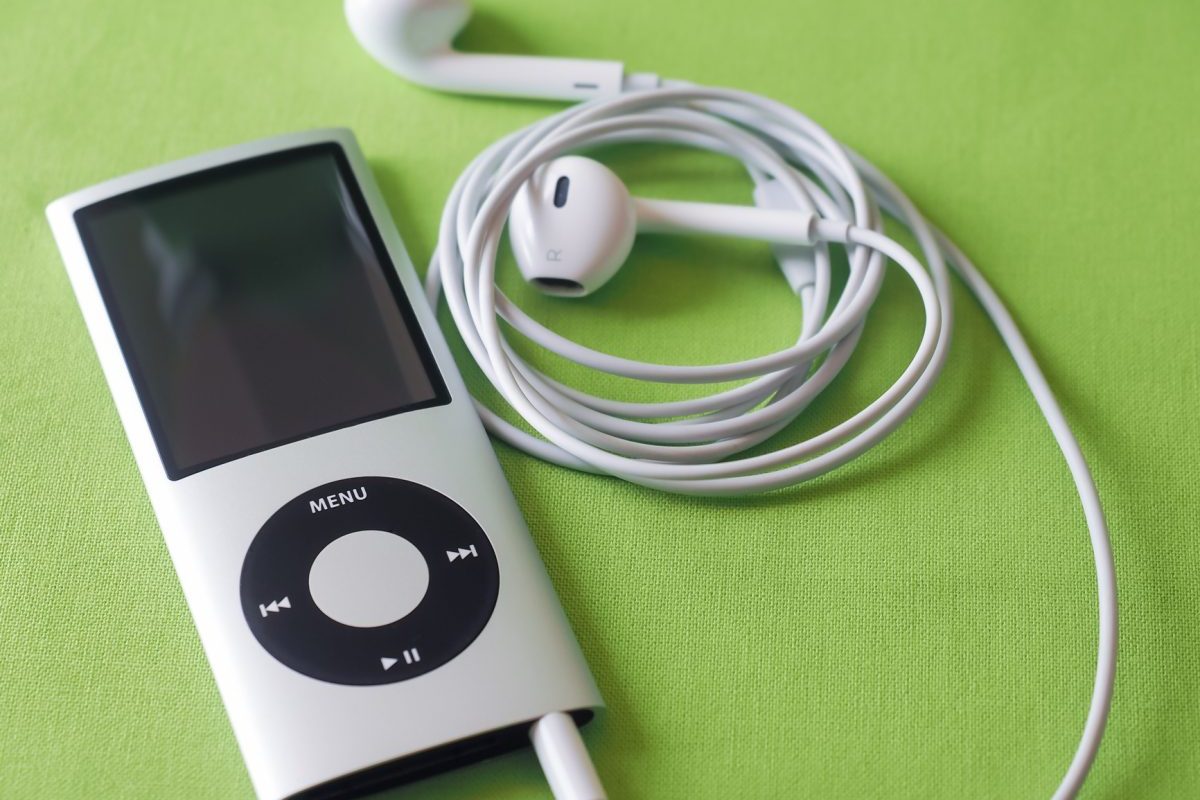 The iPod nano was discontinued in 2017
 In a world where digital ownership is increasingly rare, Simon Hunt returned to technology from 2007 – and hasn’t looked back.
Not since childhood had I been this excited to open a parcel. I tore through layers of brown sticky tape, clawed through the cardboard box and unpeeled the bubble wrap. And there it was: a third-generation iPod Nano, part of a line that defined a new era of mass-consumer electronics in the mid 2000s. The classic design is instantly recognizable: rounded edges, polished silver aluminium, an elegant click-wheel. What astonished me most was its size. The Nano is smaller than a credit card, and at 49 grams weighs less than a fifth of my phone.
For the first time in years, I loaded up my old iTunes library and got stuck in. Within a few minutes I was bouncing around my flat, the old-school headphone wires pirouetting around me, just like the iconic Apple advert that helped make the iPod ubiquitous.
I’m not the only one embracing old tech. Backmarket, the website from which I bought it (prices start at £74) says demand for refurbished iPods has risen every year since 2022. Sales jumped nearly 50 per cent last year alone. Ebay says searches for “iPod” have rocketed to over 1,300 an hour, and, anecdotally, around London I’ve seen more and more people – especially young people – ditch bluetooth headphones for wired alternatives.
What’s behind this? Perhaps the rekindling of our fondness for 2007-era tech is just the latest sign of enshittification: the belief that the digital world is deteriorating. Technology peaked for the consumer at some point around 2010, goes the theory, and since then the tech giants have switched focus from user experience to improving margins.
#mc_embed_signup { background: #fff; clear: left; font: 14px Helvetica, Arial,sans-serif; width: 100%; max-width: 600px; margin: 20px 0; } #mc-embedded-subscribe-form { margin: 20px 0 !important; } .newsletter-form-flex { display: flex; gap: 0; align-items: center; margin-top: -10px; } .newsletter-form-flex input[type=”email”] { flex: 1; padding: 2px 10px; border: 1px solid rgb(18, 22, 23) !important; border-radius: 12px 0 0 12px !important; } .newsletter-form-flex input[type=”submit”] { padding: 4px 10px !important; margin: 0 !important; background-color: rgb(18, 22, 23) !important; color: rgb(255, 255, 255) !important; border: 1px solid rgb(18, 22, 23) !important; border-radius: 0 12px 12px 0 !important; } .newsletter-banner-content { margin-bottom: 15px; } .newsletter-banner-content h2 { margin: 0 0 10px 0; font-size: 18px; font-weight: 600; } .newsletter-banner-content p { margin: 0 0 10px 0; line-height: 1.5; } .newsletter-banner-content ul, .newsletter-banner-content ol { margin: 0 0 10px 20px; } .newsletter-banner-content a { color: #0073aa; text-decoration: none; } .newsletter-banner-content a:hover { text-decoration: underline; } .newsletter-banner-content img { max-width: 100%; height: auto; margin: 10px 0; } #mc_embed_signup #mce-success-response { color: #0356a5; display: none; margin: 0 0 10px; width: 100%; } #mc_embed_signup div#mce-responses { float: left; top: -1.4em; padding: 0; overflow: hidden; width: 100%; margin: 0; clear: both; } Our changing relationship with consumer tech
For left-wing academic Yanis Varoufakis, this represents a fundamental shift in our economic model towards what he calls technofeudalism. In this world, individuals surrender their ownership of digital things – software, music – and become supplicants to a rentier class of Silicon Valley billionaires, to whom they pay ever-rising cloud subscription fees.
Intuitively, there is some truth to this theory, though I think it is overdone. The subscription model has democratised access to the global stock of human endeavour. For a few quid a month, Spotify gives you the music library of a millionaire, and, if only for a fraction of a second, Anthropic lends you computer power bigger than that available to entire nations.
Instead, I think the renewed embrace of old tech is a reaction to our era of superabundance. It is overwhelming – nauseating, even – to have access to everything everywhere all at once. It cheapens the enjoyment of something to know you could have picked anything else for no extra cost.
An iPod offers the soothing antidote of a space with defined limits, with tangible edges, free from distraction. Because there is a genuine opportunity cost to picking one thing over another (you have to pay for it), it develops its own distinct shape, moulded by a sequence of human decisions. After all, that is the essence of ‘tech’, etymologically speaking: deriving from the Greek for ‘craft’.
And in an age where phone design has become homogeneous and utilitarian, built to accommodate any and every app imaginable, it feels indulgent to use a device designed for a singular purpose. I’d forgotten how much fun it is to use something that can fit in the palm of your hand, with actual buttons; the tactile satisfaction of the click-wheel, which is miles better and more precise than a touch screen.
Obviously, nostalgia is doing some work here. Would I be enjoying this if memories weren’t involved? Perhaps not. But, counterpoint: my God the sound is good. Really good. You don’t appreciate how much internet-streamed music, beamed through bluetooth, erodes the quality of a song till you’re listening to it the old-fashioned way.
So my new old iPod won’t be confined to the loft, where the rest of my offline tech gathers dust. I’ll carry it around with me – it fits in my wallet, after all – a little slice of my identity that the modern world can’t touch.
Read more Canva Brings On-Brand, Editable Design into Google Gemini
Similarly tagged content: Sections Categories People & Organisations