The semaglutide in the jab and pill mimics the actions of a hormone called GPL-1 (glucagon-like-peptide-1), which is released from the intestine after people eat.
It acts on receptors in the brain that control appetite, making people feel fuller, less hungry and crave food less.
Very common side effects with both include stomach problems, like feeling sick, being sick (vomiting), constipation and diarrhoea.
With the jab, you may get little bit of skin redness, itching or mild swelling where you inject.
Some people on the tablets or injections may experience stomach pain, headaches and tiredness.
More rarely, people can get more serious complications, like low blood sugar, pancreatitis or severe allergic reactions.
It’s worth checking the patient information leaflet for the full details.
Do not take the medication if you are under 18, pregnant or breastfeeding, and make sure you speak to your doctor about any other medical conditions you have or medication you take.
How do weight-loss drugs like Mounjaro and Wegovy work?
Published11 June
How do you take the pill?
There are a number of strict guidelines to help make sure the pill is absorbed well by the body.
Take the pill:
On an empty stomach after not eating for at least eight hours
At least 30 minutes before eating or drinking anything else or taking other tablets
With a sip of up to 120ml of water – (that’s plain water, not fizzy water or coffee or tea) – and swallow it down whole
Ideally, it’s taken at the same time every day so it becomes routine.
If you miss a dose, skip that day’s dose and get back on track by taking the scheduled dose the next day, advice says.
What dose do you start on?
The starting dose is a 1.5mg tablet once a day for one month and then, after consultation, the dose would generally increase each month until the recommended maximum dose of 25mg once a day.
Like the jab, it can take several months to get full benefits and there is the risk that weight may go back on after you stop the medication.
Patients currently being treated privately with a 2.4mg semaglutide injection can switch to daily semaglutide 25mg tablets, with medical supervision.
A healthcare professional should always be consulted before patients try and switch like for like, as the most appropriate dose and treatment will vary by individual.
How much does it cost and will it be cheaper than the injection?
This is likely to depend on where you get it.
Some pharmacies have limited-time introductory offers, where the first few doses are sold at a relatively low price.
The price will also partly depend on the dose taken, with the higher doses costing more.
Some pharmacies are currently pricing the lowest dose (1.5mg) at £99 for a month’s supply and the highest dose (25mg) at £199 for a 30-day supply.
When it launched in the US, the manufacturer listed the starting dose of 1.5mg at $149 (around £110) a month.
There are hopes that the pill will be cheaper than the injection in the long term but we don’t know that for certain yet.
Some pharmacies are currently charging similar prices for both.
When will it be available on the NHS?
Earlier this month it became the first tablet of its kind to get cleared by the Medicines and Healthcare products Regulatory Agency (MHRA).
We don’t yet know if or when it will be available on the NHS.
The next step is for the healthcare watchdog, the National Institute for Health and Care Excellence (NICE), to see if its expert panel recommends it.
NICE will need to see trial data from the pill’s manufacturer and other information to assess, amongst other things, how cost-effective it would be.
Are the pills a short-term fix?
GLP-1 drugs are not meant for a short-term or cosmetic weight loss – in any form.
Health experts strongly advise against using them as a quick-fix to get “beach body” ready, although it is clear people do misuse them.
How well does it work?
In a recent trial, external, people took Wegovy or a placebo (dummy pill), alongside a reduced-calorie diet and increased physical activity for 64 weeks.
People who took Wegovy tablets lost on average 13.61% of their body weight, compared with 2.18% in the placebo group.
Professor of diet and population health at the University of Oxford, Susan Jebb, says the drugs have the potential to be used in a long-term way, similar to blood pressure or cholesterol medication. But admits she is apprehensive about relying on them for solving the obesity issue.
“Pretty much everybody has a good intention to eat healthily today, but somehow that gets eroded when you walk down the high street and there are coffee shops and cafes and muffins… and chocolates on a three-for-two deal.”




 admin
admin



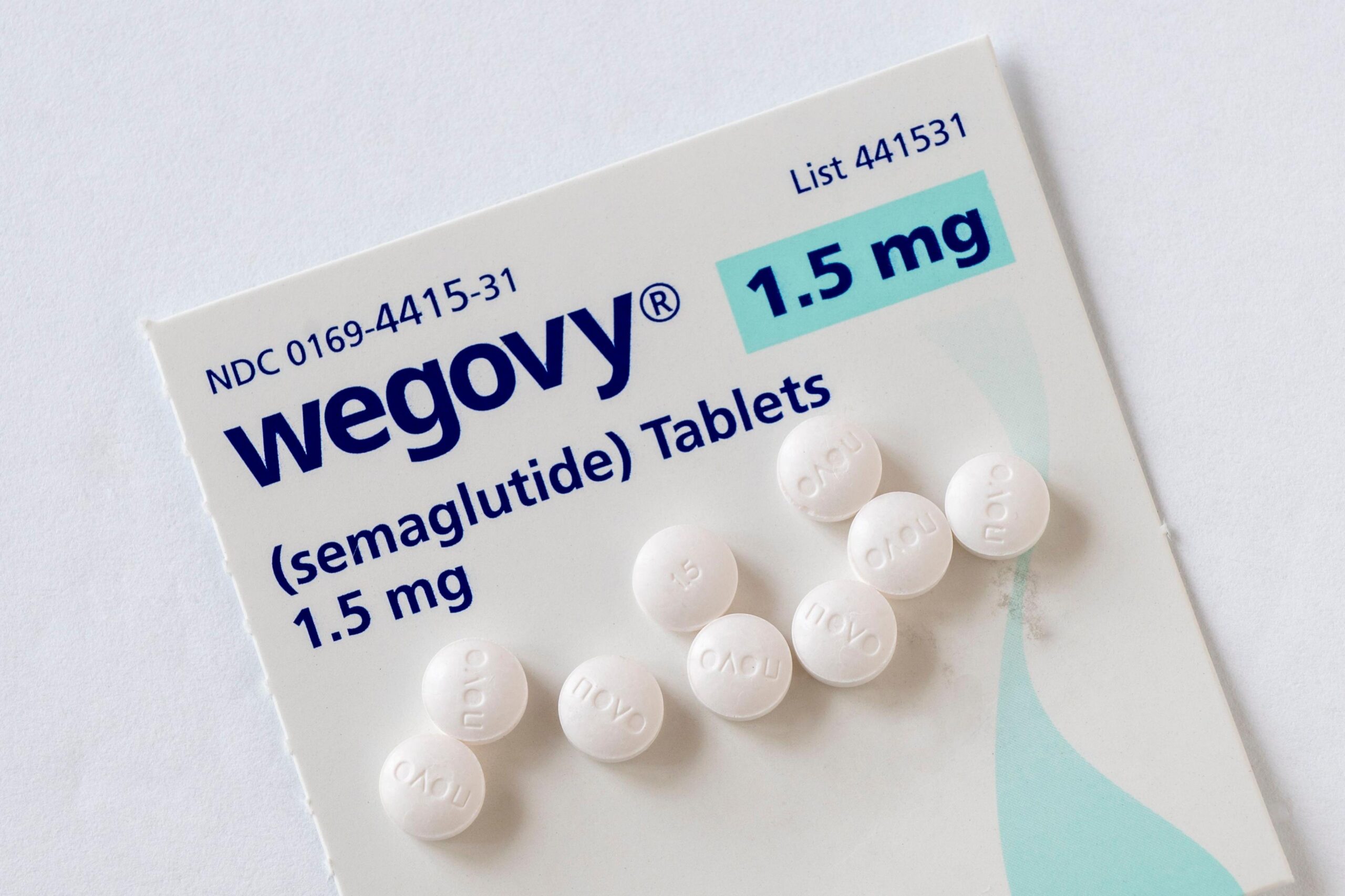
 Image source, Getty Images