Manufacturers are facing a cliff-edge from the government’s incoming steel tariffs that are likely to inflict “huge damage” on the UK economy, Britain’s largest industry body has warned. In a fresh statement, the British Chambers of Commerce (BCC) sounded the alarm on the impact that that new duties on foreign-produced
 Ali Lyon



Tuesday 16 June 2026 10:30 pm | Updated: Tuesday 16 June 2026 7:11 pm
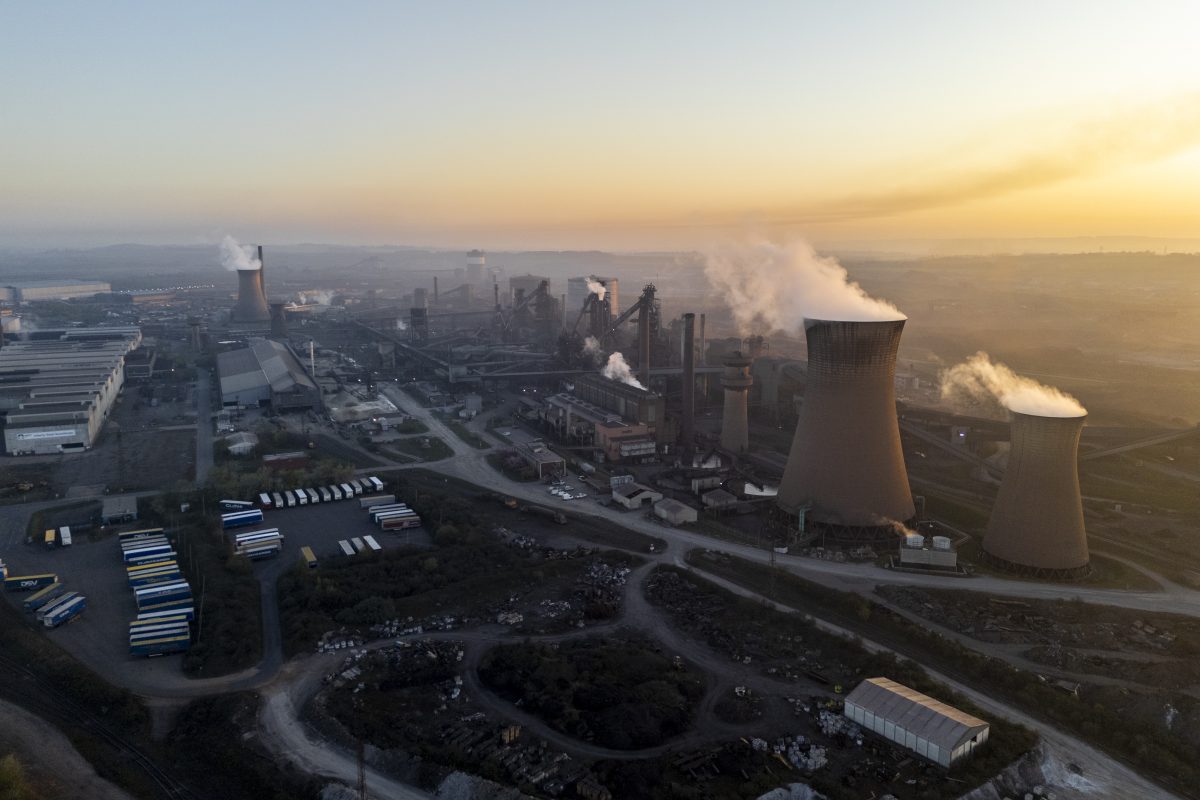
 The steel industry has been particularly badly hit by rising energy costs
 Manufacturers are facing a cliff-edge from the government’s incoming steel tariffs that are likely to inflict “huge damage” on the UK economy, Britain’s largest industry body has warned.
In a fresh statement, the British Chambers of Commerce (BCC) sounded the alarm on the impact that that new duties on foreign-produced steel will have on importers, saying they will force some businesses to the wall.
“The cliff-edge on these plans is fast approaching so the opportunity is narrowing to avoid huge self-inflicted damage to the economy,” William Bain, the BCC’s head of trade policy said.
“Affected sectors rely heavily on imported steel products that can’t be obtained domestically, and some will be facing millions of pounds in additional costs when quotas are exhausted.”
In July, the government will slash the quota of tariff-free steel imports by an average of 60 per cent, and double the import duty on all steel beyond that to 50 per cent. Ministers argue the move, which will see the quota on some steel products reduced by as much as 90 per cent, will help shore up Britain’s moribund steel industry, which has been floundering under the country’s sky-high energy costs and a ramping up of trade barriers by governments of popular export destinations.
#mc_embed_signup { background: #fff; clear: left; font: 14px Helvetica, Arial,sans-serif; width: 100%; max-width: 600px; margin: 20px 0; } #mc-embedded-subscribe-form { margin: 20px 0 !important; } .newsletter-form-flex { display: flex; gap: 0; align-items: center; margin-top: -10px; } .newsletter-form-flex input[type=”email”] { flex: 1; padding: 2px 10px; border: 1px solid rgb(18, 22, 23) !important; border-radius: 12px 0 0 12px !important; } .newsletter-form-flex input[type=”submit”] { padding: 4px 10px !important; margin: 0 !important; background-color: rgb(18, 22, 23) !important; color: rgb(255, 255, 255) !important; border: 1px solid rgb(18, 22, 23) !important; border-radius: 0 12px 12px 0 !important; } .newsletter-banner-content { margin-bottom: 15px; } .newsletter-banner-content h2 { margin: 0 0 10px 0; font-size: 18px; font-weight: 600; } .newsletter-banner-content p { margin: 0 0 10px 0; line-height: 1.5; } .newsletter-banner-content ul, .newsletter-banner-content ol { margin: 0 0 10px 20px; } .newsletter-banner-content a { color: #0073aa; text-decoration: none; } .newsletter-banner-content a:hover { text-decoration: underline; } .newsletter-banner-content img { max-width: 100%; height: auto; margin: 10px 0; } #mc_embed_signup #mce-success-response { color: #0356a5; display: none; margin: 0 0 10px; width: 100%; } #mc_embed_signup div#mce-responses { float: left; top: -1.4em; padding: 0; overflow: hidden; width: 100%; margin: 0; clear: both; }
Both the European Union and United States have dramatically ramped up tariffs on steel in the past year to shore up their own industries.
The BCC warned the changes are unsustainable for Britain’s already ailing manufacturing base – including carmakers and construction firms – in its second intervention on the change in as many months. In May, the lobby group’s director general Shevaun Haviland wrote to business secretary Peter Kyle to demand an urgent meeting to discuss the duties and the vastly lower quotas.
In it she warned the tariffs had the “potential to create significant financial and logistical problems for downstream sectors using steel” and called on Kyle to reconsider the more extreme quota reductions.
Since then the lobby group met with ministers and officials to discuss the incoming changes, but said they “failed to recognise the cliff-edge facing many businesses”.
The Indian government has also paused the implementation of the free trade deal with the UK, following concerns about the impact of the quotas.
A government spokesman said: “We want a thriving steel sector in the UK, which why our new trade measure aims to strike the right balance between protecting domestic production and maintaining a secure supply.
“We continue to take feedback from industry about the measures, and separately we are engaging with the European Union to find a solution that protects vital steel trade between us and secures the best possible deal for UK producers.”
Read more Millions of Brits face retirement ‘cliff-edge’ after not saving enough
Similarly tagged content: Sections Categories People & Organisations