The UK economy grew by 0.6 per cent in the first quarter of the year, the Office for National Statistics has confirmed, yet the final figure for growth last year was revised down slightly. The ONS said on Tuesday that the UK economy grew at a faster pace than many
 Mauricio Alencar



Tuesday 30 June 2026 7:31 am | Updated: Tuesday 30 June 2026 7:32 am
The UK economy grew by 0.6 per cent in the first quarter of the year, the Office for National Statistics has confirmed, yet the final figure for growth last year was revised down slightly.
The ONS said on Tuesday that the UK economy grew at a faster pace than many had expected at the beginning of the year, with GDP rising by 0.6 per cent.
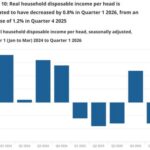
Real GDP per head increased by 0.6 per cent in the first quarter of the year.
Firms rushed to stockpile goods while activity rose rapidly just as tensions in Venezuela and the Middle East flared up, according to official figures.
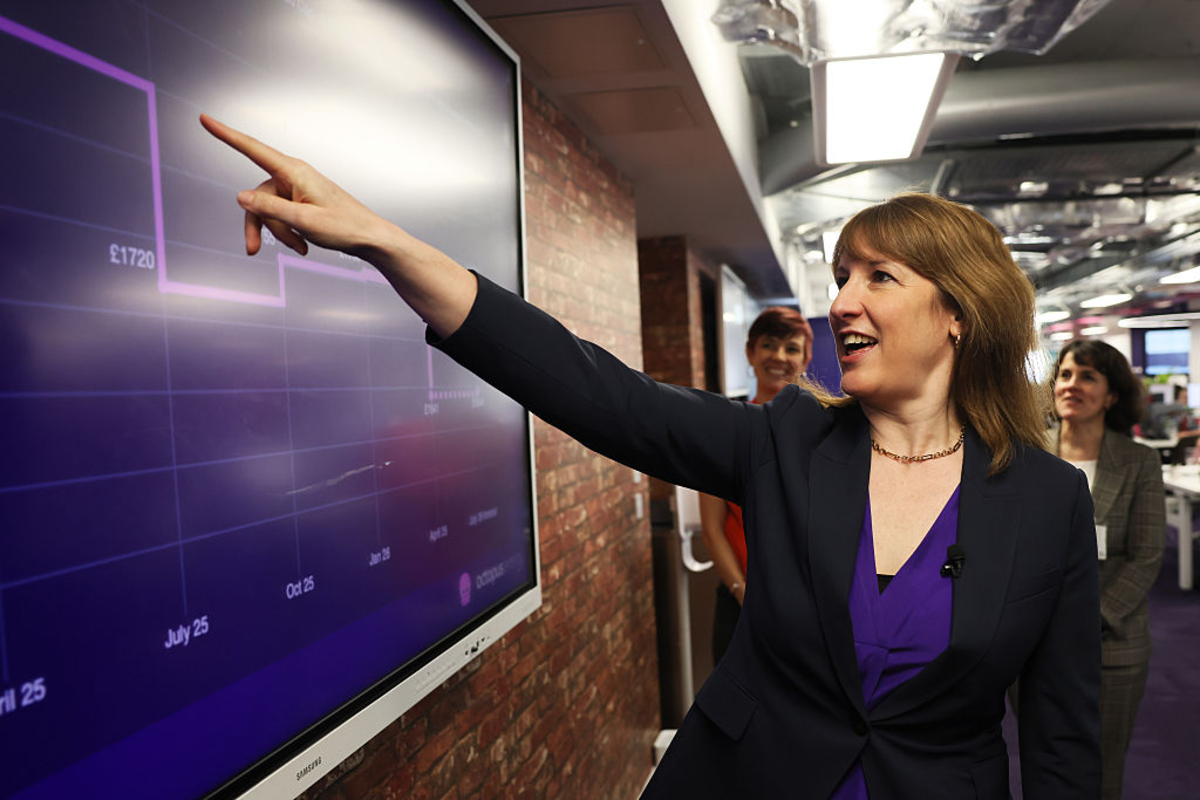
The figures may be bittersweet for Chancellor Rachel Reeves, who is expected to be sacked from her position as Andy Burnham takes to Number 10 in mid-July, despite overseeing a growth spurt in the UK.
#mc_embed_signup { background: #fff; clear: left; font: 14px Helvetica, Arial,sans-serif; width: 100%; max-width: 600px; margin: 20px 0; } #mc-embedded-subscribe-form { margin: 20px 0 !important; } .newsletter-form-flex { display: flex; gap: 0; align-items: center; margin-top: -10px; } .newsletter-form-flex input[type=”email”] { flex: 1; padding: 2px 10px; border: 1px solid rgb(18, 22, 23) !important; border-radius: 12px 0 0 12px !important; } .newsletter-form-flex input[type=”submit”] { padding: 4px 10px !important; margin: 0 !important; background-color: rgb(18, 22, 23) !important; color: rgb(255, 255, 255) !important; border: 1px solid rgb(18, 22, 23) !important; border-radius: 0 12px 12px 0 !important; } .newsletter-banner-content { margin-bottom: 15px; } .newsletter-banner-content h2 { margin: 0 0 10px 0; font-size: 18px; font-weight: 600; } .newsletter-banner-content p { margin: 0 0 10px 0; line-height: 1.5; } .newsletter-banner-content ul, .newsletter-banner-content ol { margin: 0 0 10px 20px; } .newsletter-banner-content a { color: #0073aa; text-decoration: none; } .newsletter-banner-content a:hover { text-decoration: underline; } .newsletter-banner-content img { max-width: 100%; height: auto; margin: 10px 0; } #mc_embed_signup #mce-success-response { color: #0356a5; display: none; margin: 0 0 10px; width: 100%; } #mc_embed_signup div#mce-responses { float: left; top: -1.4em; padding: 0; overflow: hidden; width: 100%; margin: 0; clear: both; }
The UK economy declined by 0.1 per cent in April, the second month of the Iran war, the ONS said earlier this month.
The ONS also said growth in 2025 was slightly lower than previously thought at 1.3 per cent rather than 1.4 per cent.
Liz McKeown, director of economic statistics at the ONS, said: “Services were the main driver of growth in the latest quarter, with strengths in computer programming, wholesale and advertising only offset by falls in rental companies and recruitment agencies.”
While the ONS said growth was 0.6 per cent, business investment came to around 0.9 per cent in the first quarter of the year, which was slightly higher than expected.
Read more UK economy falters as deeper damage to growth to come
The current account for trade also slipped deeper into negative territory as the balance was –£22.2bn.
Burnham’s vision for UK economy
City economists have warned that international trade disruption caused by the Iran war could damage the UK economy’s growth by up to around 0.3 percentage points while inflation could stay above three per cent for the rest of the year.
It leaves an incoming Prime Minister Burnham with a difficult in-tray despite a broad promise to oversee the biggest transformation of British politics in a lifetime.
Burnham said on Monday that he would look to raise living standards in a 10-year plan centred on devolution, “greater” public control of utilities and “social value” reforms to areas such as public procurement.
The former Manchester mayor said he would deliver “good growth” that was felt in all regions across the country. He suggested he would reform business rates to support high streets and pubs, as well as look to “reindustralise” other areas that have seen factories close down.
Industry groups largely welcomed Burnham’s call for higher growth and working more closely with the private sector, with TheCityUK’s Miles Celic saying devolution would be “vital” for businesses.
However, some analysts warned that the landmark speech failed to provide clear substance on policy.
Mark Smith, a managing director at the professional services firm Ayming UK, said there were questions over corporation taxes and the government’s industrial strategy.
Smith said: “If Andy Burnham does become Prime Minister, he needs to set out a clear plan for business early on and, importantly, stick to it. Since Labour came to power, we’ve seen too many U-turns and too much speculation around key policy areas. That makes it incredibly difficult for businesses to plan ahead and commit to long-term investment.”
Read more ‘Course correction’: UK economy to contract as ‘energy shock catches up’
Similarly tagged content: Sections Categories People & Organisations