A digital ID row has dominated headlines in the last year, and banks are set to join the row. In this week’s column, Samuel Norman takes a look at what they might be in for. Britain’s banks have voluntarily thrown themselves into one of the most toxic culture wars of
 Samuel Norman



Wednesday 01 July 2026 2:56 am | Updated: Tuesday 30 June 2026 5:57 pm
A digital ID row has dominated headlines in the last year, and banks are set to join the row. In this week’s column, Samuel Norman takes a look at what they might be in for.
Britain’s banks have voluntarily thrown themselves into one of the most toxic culture wars of the decade.
Few subjects evoke as much paranoid fury as the concept of a digital ID. Yet last week, with a notable absence of any pomp or flair – the UK banking sector quietly wheeled out plans for a new voluntary digital verification service.
The name itself was the biggest indication of the path the campaign wanted to follow, or, more importantly, the political minefield it wanted to avoid. UK Finance and its consortium of high-street heavyweights – that includes Barclays, Lloyds, HSBC, Natwest, Nationwide, and Santander – took great pains to put as much daylight as possible between their own ambitions and those of Downing Street.
“This initiative is being undertaken separately to the government’s ongoing work on digital identity,” the industry body stressed in its announcement release.
#mc_embed_signup { background: #fff; clear: left; font: 14px Helvetica, Arial,sans-serif; width: 100%; max-width: 600px; margin: 20px 0; } #mc-embedded-subscribe-form { margin: 20px 0 !important; } .newsletter-form-flex { display: flex; gap: 0; align-items: center; margin-top: -10px; } .newsletter-form-flex input[type=”email”] { flex: 1; padding: 2px 10px; border: 1px solid rgb(18, 22, 23) !important; border-radius: 12px 0 0 12px !important; } .newsletter-form-flex input[type=”submit”] { padding: 4px 10px !important; margin: 0 !important; background-color: rgb(18, 22, 23) !important; color: rgb(255, 255, 255) !important; border: 1px solid rgb(18, 22, 23) !important; border-radius: 0 12px 12px 0 !important; } .newsletter-banner-content { margin-bottom: 15px; } .newsletter-banner-content h2 { margin: 0 0 10px 0; font-size: 18px; font-weight: 600; } .newsletter-banner-content p { margin: 0 0 10px 0; line-height: 1.5; } .newsletter-banner-content ul, .newsletter-banner-content ol { margin: 0 0 10px 20px; } .newsletter-banner-content a { color: #0073aa; text-decoration: none; } .newsletter-banner-content a:hover { text-decoration: underline; } .newsletter-banner-content img { max-width: 100%; height: auto; margin: 10px 0; } #mc_embed_signup #mce-success-response { color: #0356a5; display: none; margin: 0 0 10px; width: 100%; } #mc_embed_signup div#mce-responses { float: left; top: -1.4em; padding: 0; overflow: hidden; width: 100%; margin: 0; clear: both; }
And they can’t be blamed for the social distancing. Labour’s flirtation with digital IDs has served as a political lightning rod, garnering unflattering attention from all aisles. The banks have managed to clear the first major hurdle the government tripped over by making their service strictly optional.
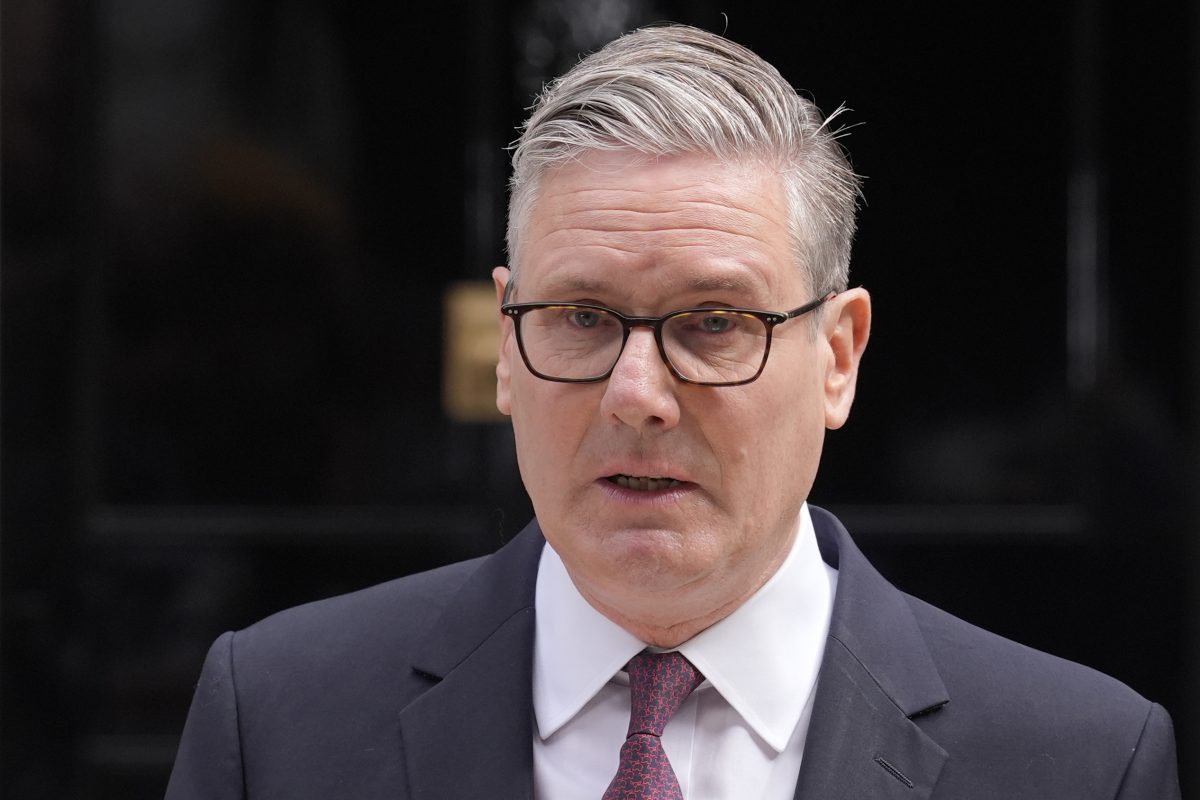 Sir Keir Starmer’s digital ID plans faced countless hurdles. (Image: PA)
Earlier this year, Starmer’s government was forced into one of its many bruising U-turns as it rowed back on plans to make digital verification mandatory for UK workers – a kerfuffle the Home Affairs Committee branded a “fiasco.”
Pressure flattened Westminster’s proposals so much that Peter Hyman, a former advisor to Starmer, predicted the plans would be “dead in the water” within six months because ministers simply couldn’t make a convincing case to a skeptical public.
So could banks make a better go of it? If it’s a game of optics, then the lenders are already starting with a severe handicap.
Bank outages won’t ease an already sceptic public
Opponents of government digital IDs lauded the leak of more than 100,000 passport scans and biometric selfies to a third-party visa website earlier this year, handing them all the ammunition needed to give another hammering to the government’s plans.
For banks that have been unable to shake troubles around outages, they may not have the confidence dividend to dish out to dish out to users.
Read more Barclays and Lloyds join banking sector plan for digital ID
Lloyds Banking Group had the most harrowing blunder of the year as customers saw rogue transactions that did not belong to them on their app. Revolut’s former licences boss told me at the time this was “embarrassing” for the bank that was aiming to be Britain’s biggest digital lender – a brutal take, but digital ID critics may be even less forgiving.
And just months later and mere weeks before the digital ID plans were revealed, Lloyds suffered another app outage.
On already thorny issues, these digital hijinks do little to swing the pendulum on public trust.
A Treasury Committee report last March revealed nine of the UK’s biggest banks and building societies were down for a combined 803 hours – the equivalent of 33 days – over the past two years.
Barclays topped the list for most outages at 33, but had been able to reduce the length to 93 hours, shorter than some rivals.
HSBC was close behind Barclays with 32 incidents, but nearly double the number of hours, shooting up to 176.
But optics battle aside, could the banks have a point? Over £1.28bn was stolen by criminals through payment fraud in 2025 and, with new tech creating a “lower barrier for entry” for criminals, according to UK Finance.
It argued this new nifty tool would make it “safer, quicker and more convenient” in the world of digital transactions. With it now being tested in a live pilot stage, the group also said it would lead to a drop in costs as businesses verify customers more reliably.
Logic, however, may be a poor shield against the critics’ outcry.
But in this endeavour of cutting through the noise, I say good luck to them.
Read more City launches new Digital ID framework against AI fraud
Similarly tagged content: Sections Categories People & Organisations