
The lobbyists’ goal is to convince MEPs to radically dismantle the existing EU rules on pesticide authorisation and use, rules meant to keep too toxic products off the market.
 Nina Holland



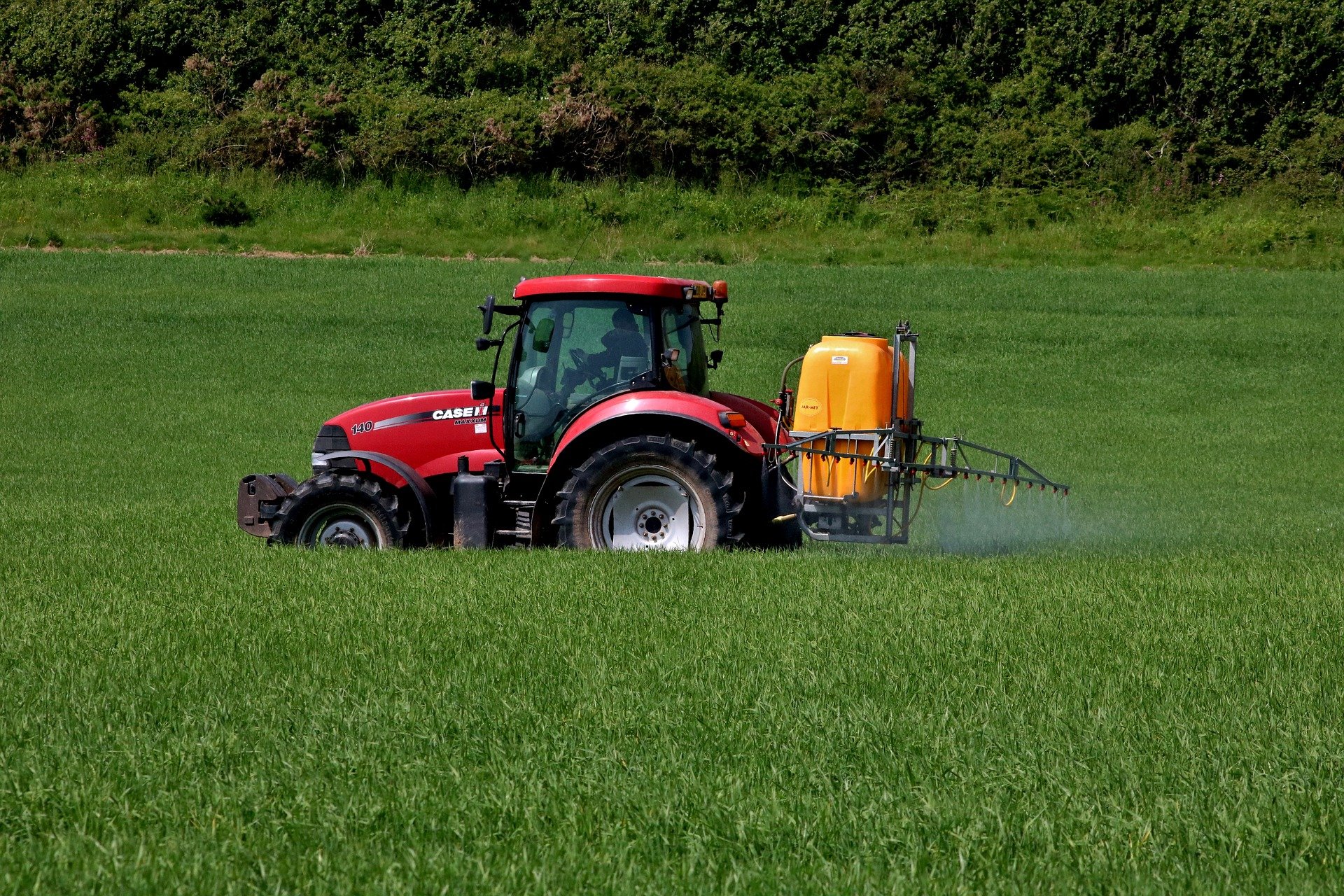
Farmers across Europe are sweating it out in the fields during the second heatwave of the year, struggling to keep food crops alive and watered.
Meanwhile in Brussels, lobbyists pretending to defend those farmers’ interests (Copa-Cogeca) are openly joining forces with pesticide industry lobbyists (Croplife EU).
On Wednesday (15 July) they are hosting a joint event targeting MEPs, in the (doubtless air-conditioned) offices of Copa-Cogeca, followed by the usual cool drinks and networking.
Their goal? To convince MEPs to radically dismantle the existing EU rules on pesticide authorisation and use, rules meant to keep too toxic products off the market.
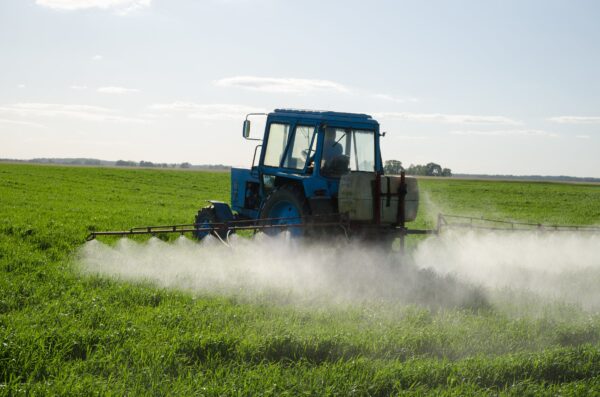
Yet farmers in the fields are on the frontline of exposure to pesticides, along with their family members and neighbours. Those who apply pesticides get exposed via inhalation and skin. In this way pesticides can directly reach the brain via the blood.
Parkinson’s disease
For instance, Germany, France and Italy have acknowledged Parkinson’s as a professional disease for farmers who have worked with pesticides. According to Dutch Parkinson’s expert Jorrit Hoff, scientists are clear that exposure to pesticides increases the chance to get Parkinson’s disease.
Conventional farms using pesticides had an average of 80 different pesticides in household dust samples collected for the EU-funded SPRINT project.
This number was significantly higher, and at higher concentrations too, than dust collected in the homes of organic farms.
Even already-banned pesticides can remain present for a long time in our environment, and serious health effects like Parkinson’s disease or cancer can take many years to emerge.
Shortfalls and loopholes
Current pesticide risk assessment rules have shortfalls. For instance, neurotoxicity is not adequately investigated in the EU approval process. And no less than 10 identified hazardous substances (‘candidates for substitution’), with a wide range of serious health impacts, are still on the market.
But instead of fixing this situation and protecting farmers’ health, Copa-Cogeca is joining forces with the pesticides lobby to push EU institutions to dismantle precisely the rules that do exist.
A proposal is already on the table.
The EU Commission’s Food and Feed Omnibus proposal would remove the renewal assessments for pesticides. These re-evaluations are crucial because this is when new scientific evidence regarding the harmful impacts of a pesticide can be taken into account.
European People’s Party MEP Herbert Dorfmann – rapporteur in the European Parliament of this Omnibus – was himself a lobbyist for the South Tyrolean Farmers’ Federation for 10 years. Did he make an attempt to better protect farmers’ health? No, the opposite.
Together with fellow Italian and far-right Fratelli MEP Michele Picaro, Dorfmann made changes that made this Omnibus even worse.
Even the commission had to admit that Dorfmann’s proposals would lower health protection rules. This week is the deadline for MEPs to propose amendments.
Back in 2021, via leaked documents Corporate Europe Observatory showed how Copa-Cogeca coordinated lobby activities against the EU Farm to Fork goals with the pesticide industry.
Both organisations commissioned ‘impact studies’ from Wageningen University (for which the University later apologised) and coordinated their launch behind the scenes, for maximum impact.
This time, Copa-Copgeca is no longer hiding anything. They are openly organising a lobby event with Croplife EU that represents pesticide producers like Bayer and Syngenta. This industry has a long track record of defending their ‘licence to operate’, even when the impact on human health or crucial ecosystem functions – such as the loss of bees and other food crops pollinators – are at stake.
Self-sabotaging farmers’ interests
The pesticide industry also rides roughshod over farmers’ interests in other ways. Recent farmers’ protests have demanded a fair income.
Here, their interests clash directly with those of the pesticide industry. Croplife EU lobbied for the EU-Mercosur free trade agreement, signed last December despite fierce farmers’ protests.
Moreover, when the EU does something to tackle unfair competition faced by farmers, by not allowing imports produced with pesticides banned in the EU, Croplife and its members try to block such attempts.
It is time to see the actions of these lobby groups for what they are.
Croplife EU is using its collaboration with Copa-Cogeca to legitimise its lobby to keep hazardous products on the market. The first to feel the consequences are farmers themselves, with their families and neighbours.
So whose interests is Copa-Cogeca really defending here?
Instead of allying with the pesticide industry, why is Copa-Cogeca not – at minimum – publicly advocating for the recognition of Parkinson’s as an occupational illness in all EU countries, and for strong compensation measures?
Or better, why doesn’t its leadership advocate for a sound EU pesticide regulation that really reduces the risks to farmers’ own health? We’re keen to hear the answers.