Europe’s standing will not be restored by shifting responsibilities from one building to another, moving competences between commissioners and directorates-General, or publishing yet another security strategy.
 Shada Islam



Oh no, please, not another tedious attempt to restructure the EU’s institutions.
Europe’s very visible foreign policy weaknesses are real and must be addressed. But relying on another exercise in bureaucratic re-engineering will not be enough.
What is needed are EU leaders who can make the bloc matter again.
It’s a tough world. The international order is being rewritten by Israel’s genocide in Gaza, Russia’s war against Ukraine, a dangerous and widening conflict in the Middle East and a civil war in Sudan. Donald Trump’s disruptive actions, escalating tariff wars and tech rivalry have upended the transatlantic alliance.
Re-arranging deckchairs on Titanic?
Yet, the EU’s instinct – once again – is to try and reorganise the technocratic machinery rather than confront the politics.
Certainly, some organisational changes are required. Better coordination between the European Commission and the European External Action Service (EEAS), stronger decision-making, less duplication and wider use of qualified majority voting to overcome damaging geopolitical stalemates all deserve serious consideration. The appointment of a new EEAS secretary general is good news.
But forgive my lack of enthusiasm.
The question that needs to be asked is simple: how is it that an EU which possesses more institutions, more policy instruments, larger defence budgets and grander geopolitical ambitions than ever before, matters less and less on the world stage?
The answer has far less to do with institutional design and much more to do with political leadership.
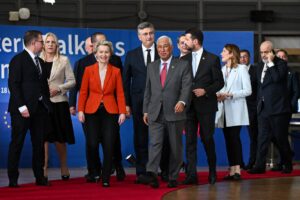
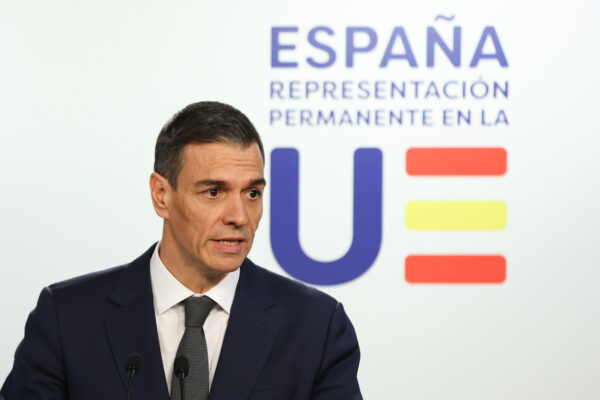
With the notable exception of Spain’s Pedro Sánchez, too many European leaders – both in national capitals and in Brussels – lack the courage, strategic imagination and political credibility needed to make Europe a consequential geopolitical actor.
Europe’s standing will not be restored by shifting responsibilities from one building to another, moving competences between commissioners and directorates-General, or publishing yet another security strategy.
It will recover only when European leaders are prepared to take politically difficult decisions, confront uncomfortable truths and articulate a convincing vision of Europe’s place in a rapidly changing world.
Today’s political shortcomings are impossible to ignore.