If EU leaders aren’t going to be able to make good on Ukraine’s wish to join the bloc within 18 months, wouldn’t it be better to seriously look at ‘associate’ membership for Kyiv and others?
 Benjamin Fox



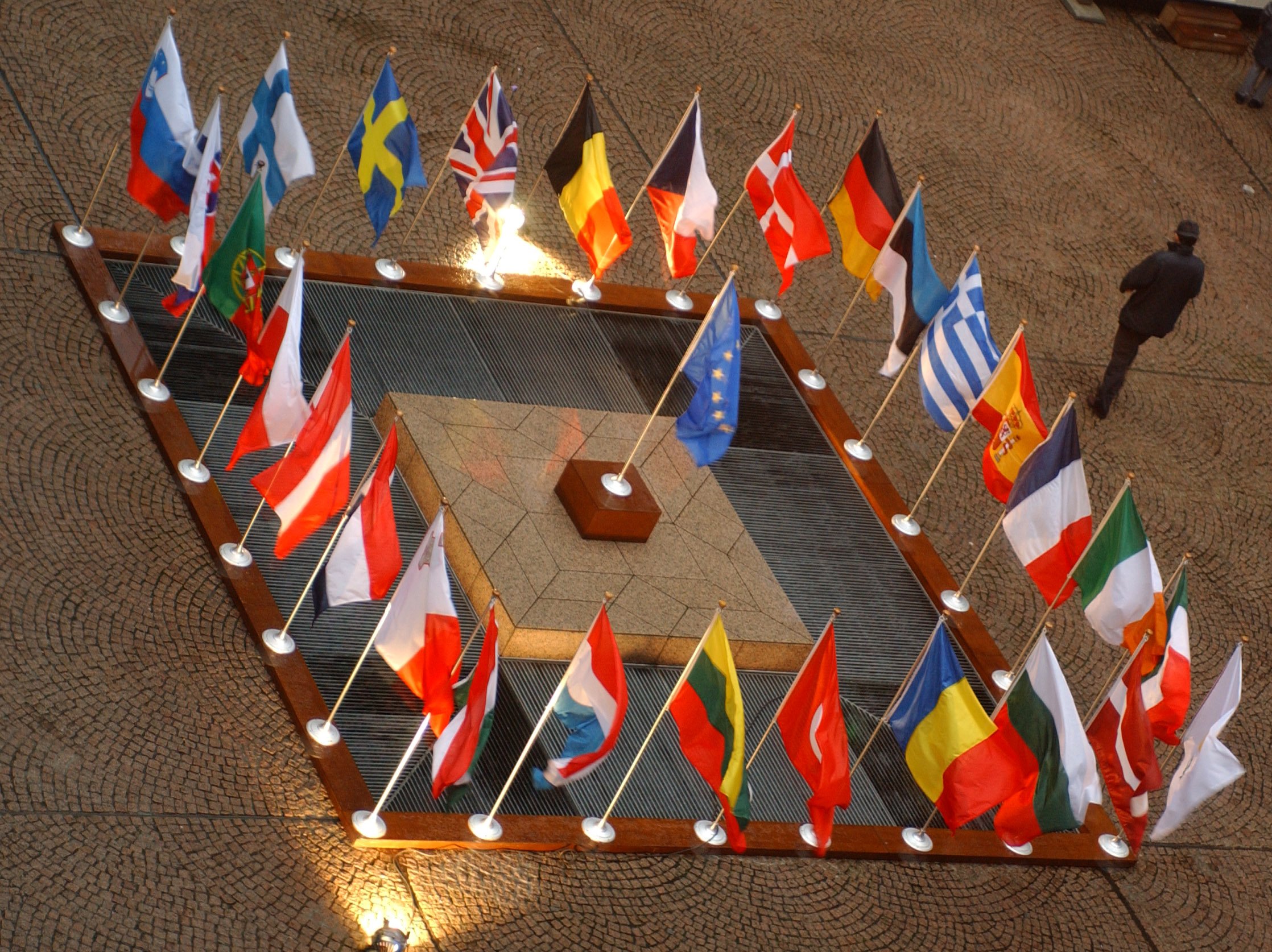
The first set of accession talks with officials from Ukraine and Moldova were opened on Monday (15 June), the European Commission announced triumphantly. The talks are aimed at harmonising the two candidate countries’ legal frameworks with the EU acquis and are a major step towards them joining the EU.
But few expect these negotiations to move quickly.
Instead, the truth is that many EU countries are still deeply ambivalent about more countries joining the bloc.
Many commission officials now accept that Romania and Bulgaria, and several of the other 2004 members, were not ready for accession when they joined. But enlargement, like including Greece and Italy in the first round of euro currency members, was about politics, particularly the accession of the former Soviet bloc countries who have since received tens of billions of euros as part of the EU’s cohesion policy to reduce the economic disparities within the bloc.
The price for that political symbolism has already been paid by Croatia – only allowed to join in 2013 despite being more ready for membership than several of the 2004 and 2007 cohort.
Now it could be paid by Ukraine’s president Volodymyr Zelensky, who is pushing for EU accession next year as one of the prizes for his people’s bravery in resisting Russia’s invasion.
But the chances of this happening are slim to none. The accession process is painfully slow.
The question is whether setting up the EU to fail Ukraine, or anybody else for that matter, is smart politics for anyone?
Some politicians are, at least, being honest about this.
Merz’s compromise
Last month, German chancellor Friedrich Merz mooted the idea of “associate” membership that would give Ukraine, and others, access to some EU programmes, and members of the EU Parliament and Commission, albeit without voting rights.
Opening up EU programmes to Ukraine would, Merz argued, serve as a testing-period for the country’s implementation and enforcement before it became a full member.
“Enlargement of the European Union is a geopolitical necessity. However, the enlargement process takes much too long. Understandably, this creates frustration among the candidate countries – and also among the member states,” said Merz.
The Merz plan didn’t fly. Nor did an attempt by the commission to re-open the accession process.
On the table from the commission was a ‘gradual integration’ process that would allow candidate countries to would gain access to selected EU programmes and policy areas without formally joining the bloc.
The other option proposed was for ‘phased integration’, giving candidate countries full EU membership from the outset, with the implementation of required reforms deferred until after accession.
The ‘associate’ model could easily apply to other countries besides Ukraine.
The British exemption?
It is already easy to see a clear path for the UK towards de facto ‘associate’ membership. The UK is already committed to paying around €2.8bn per year into the EU budget in exchange for membership of Erasmus and Horizon Europe on top of the €766m it is paying France to assist with migration control in the Channel. Joining the defence procurement programme SAFE, if EU and UK officials can ever agree on a price tag, would likely also cost hundreds of millions.
EU leaders have always been rather sniffy about the idea of ‘associate’ members – or, indeed, anything that looks like membership a la carte.
But in practice, the ‘membership-first, integration-later’ model has already been used for several of the 2004 and 2007 members.
And the status quo appears designed to frustrate potential new members and rob the EU of the flexibility needed to be a geopolitical player.
None of the Western Balkan countries is likely to become EU members any time soon. Nor, in truth, are Ukraine and Moldova. And the price of promising them the world only to let them down in a couple of years’ time would be high.