

Move would give government veto over big decisions and hostile takeovers, after Burnham’s call for greater public controlBusiness live – latest updatesThe group of investors pursuing a rescue bid for Thames Water have offered the government a “golden share” in a last-ditch attempt to convince Andy Burnham not to nationalise
 Mark Sweney



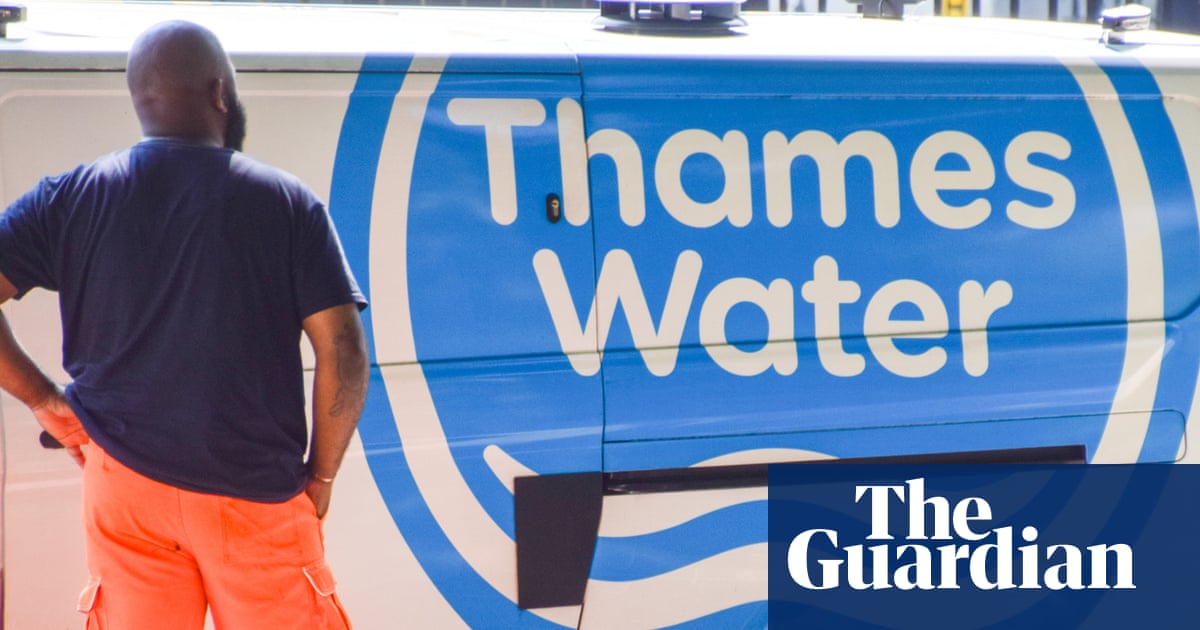
The group of investors pursuing a rescue bid for Thames Water have offered the government a “golden share” in a last-ditch attempt to convince Andy Burnham not to nationalise Britain’s biggest water company.
London & Valley Water (L&VW), a consortium of 100 institutional investors that hold £17bn of the company’s £21bn debt, said it recognised the new prime minister wanted greater public control and to strengthen the accountability of the water company.
The creditors said on Tuesday they were working on a revised rescue package for Thames, including the “golden share”, which would give the government a veto over important decisions and hostile takeovers.
“L&VW agrees that there is an opportunity to enhance the way local government, regulators and Thames Water work together, granting greater public controls on critical business issues to improve delivery of complex, essential infrastructure projects, and demonstrate shared accountability,” the company said. “The consortium is willing to make significant new commitments to grant greater controls and oversight to ministers, implemented through a ‘golden share’.”
L&VW’s proposed £10bn rescue deal includes a commitment that investors will not take a dividend for 10 years, or until Thames Water becomes a publicly listed company, and a pledge to expand the water company’s social tariff to reduce bills for struggling households.
The offer of an improved deal follows reports that Burnham is planning to put the company into a special administration regime, a form of temporary public ownership.
Burnham said last month there should be “greater public control” of Thames Water and told the Guardian this could mean nationalisation.
The SAR proposal would transfer the costs of running the company to the taxpayer, with Thames Water’s creditors claiming the bill could come to £2bn.
“Under our plan, customers will have strong protections, regulators and government will have enhanced oversight, and there will be greater controls to ensure Thames Water delivers the record investment needed to improve environmental and operational performance,” said a spokesperson for L&VW. “The consortium is eager to engage with new ministers to discuss their priorities and present a revised proposal.”
Earlier this month, Thames Water’s creditors were said to be still willing to pursue their bid for the debt-laden company, even if Burnham were to bring it into temporary nationalisation.
The future of Thames, which serves 16 million customers in London and the Thames Valley and is buckling under interest payments on debt it has run up since privatisation, will be one of the most pressing issues in Burnham’s in-tray.
The lenders have been trying to take ownership and bring it out of administration after a failed attempt to sell the utility to the US investment group KKR last year.
However, the creditors’ plans were thrown into doubt last month when Emma Reynolds, the then environment secretary, wrote to the regulator, Ofwat, voicing concerns about the terms of the deal. On Monday, Reynolds was replaced by Angela Eagle as part of Burnham’s new cabinet appointments.