Sir Keir Starmer will unveil the highly-anticipated Defence Investment Plan in one of his final acts as Prime Minister. Starmer will publish full funding plans for the Defence Investment Plan (Dip), the government’s 10-year blueprint for armed forces, on Tuesday. He will say that more than £5bn over four years
 Mauricio Alencar



Monday 29 June 2026 10:30 pm | Updated: Monday 29 June 2026 2:49 pm
Sir Keir Starmer will unveil the highly-anticipated Defence Investment Plan in one of his final acts as Prime Minister.
Starmer will publish full funding plans for the Defence Investment Plan (Dip), the government’s 10-year blueprint for armed forces, on Tuesday.
He will say that more than £5bn over four years will be invested into drones, with a focus on vessels that deploy strikes to be prioritised over replacing frigates, otherwise large warships. The strategy will make the Royal Navy “hybrid” by combining autonomous vessels with fleets and add to “lethality” across the British Army to boost warfare capabilities.
The Dip has been beset by several delays since last year’s independent strategic defence review, which found that the UK must be ready to fight in a war in Europe by the end of the decade.
The review set out a number of recommendations on investment into submarines, munition factories and AI deployment, though the authors of the report have hit out at the government for failing to deliver on the Dip by autumn last year.
#mc_embed_signup { background: #fff; clear: left; font: 14px Helvetica, Arial,sans-serif; width: 100%; max-width: 600px; margin: 20px 0; } #mc-embedded-subscribe-form { margin: 20px 0 !important; } .newsletter-form-flex { display: flex; gap: 0; align-items: center; margin-top: -10px; } .newsletter-form-flex input[type=”email”] { flex: 1; padding: 2px 10px; border: 1px solid rgb(18, 22, 23) !important; border-radius: 12px 0 0 12px !important; } .newsletter-form-flex input[type=”submit”] { padding: 4px 10px !important; margin: 0 !important; background-color: rgb(18, 22, 23) !important; color: rgb(255, 255, 255) !important; border: 1px solid rgb(18, 22, 23) !important; border-radius: 0 12px 12px 0 !important; } .newsletter-banner-content { margin-bottom: 15px; } .newsletter-banner-content h2 { margin: 0 0 10px 0; font-size: 18px; font-weight: 600; } .newsletter-banner-content p { margin: 0 0 10px 0; line-height: 1.5; } .newsletter-banner-content ul, .newsletter-banner-content ol { margin: 0 0 10px 20px; } .newsletter-banner-content a { color: #0073aa; text-decoration: none; } .newsletter-banner-content a:hover { text-decoration: underline; } .newsletter-banner-content img { max-width: 100%; height: auto; margin: 10px 0; } #mc_embed_signup #mce-success-response { color: #0356a5; display: none; margin: 0 0 10px; width: 100%; } #mc_embed_signup div#mce-responses { float: left; top: -1.4em; padding: 0; overflow: hidden; width: 100%; margin: 0; clear: both; }
Lord George Robertson, a former Nato chief and defence secretary under Tony Blair, accused Starmer and Rachel Reeves of not prioritising the armed forces and falling for a “corrosive complacency” on national security.
John Healey also resigned as defence secretary as he accused the Treasury of failing to provide sufficient levels of funding to upgrade the military.
He said a lack of a commitment to lift defence spending to three per cent of GDP by 2035 showed the government had been “unable” and “unwilling” to find the resources to “defend the country at this time of rising threats”.
The government is also under fire over failing to draw out a pathway towards getting defence spending up to 3.5 per cent of GDP by 2035, as per a Nato agreement.
Read more Truth bomb: Defence secretary John Healey resigns over funding battles
Defence officials have meanwhile complained that the government will not be able to fulfill its own spending plans on the military over the next four years due to rising costs of staff and equipment, with a £28bn hole being left in funding plans.
The Dip is not expected to fill the spending gap in full as the government is set to push for the Ministry of Defence to identity savings and make procurement more efficient. Extra funding will also come from cuts to other departments’ capital spending budgets.
Starmer’s last test
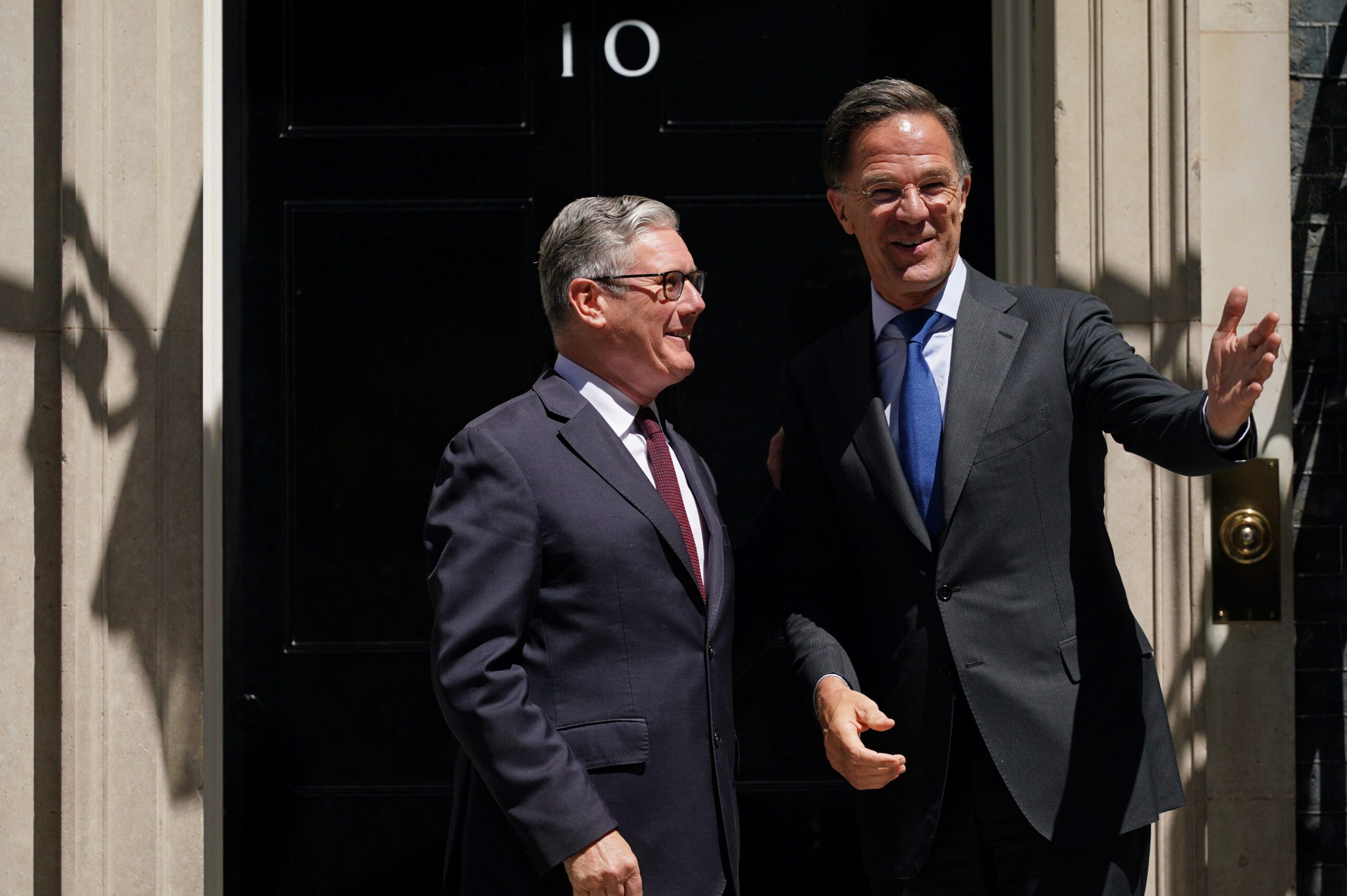
The publication of the UK’s defence procurement strategy comes a week before the Nato summit in Ankara, the capital of Turkey. Nato general secretary Mark Rutte met Starmer in Downing Street on Monday.
Prime Minister-to-be Andy Burnham, who will be responsible for implementing the Dip, made little reference to security and the armed forces, however.
He only mentioned national security when speaking about plans to make procurement firms commit to “social value”, such as boosting local job creation within Britain.
The Dip is set to be one of Starmer’s biggest moments as Labour leader despite it being one of his last. Other recent policies that may mark his legacy as Prime Minister include a ban on social media for under-16s.
Starmer said his investment commitment was “game-changing” and would back British businesses. He is expected to leave Number 10 by 20 July when Burnham could take over.
“Today’s Dip will help drive growth across the UK, giving our industrial base the confidence, certainty and support it needs to develop and scale the technologies that will keep our country safe and secure long into the future.”
Read more Government departments will look at cutting budgets to fund defence, minister says
Similarly tagged content: Sections Categories People & Organisations