Sir Keir Starmer has coughed up just half of the amount of funding military officials requested in the long-awaited Defence Investment Plan. During a speech led by defence secretary Dan Jarvis, Chancellor Rachel Reeves and the outgoing Prime Minister, ministers said they made the “right choices” and defended plans to
 Mauricio Alencar



Tuesday 30 June 2026 11:35 am
Sir Keir Starmer has coughed up just half of the amount of funding military officials requested in the long-awaited Defence Investment Plan.
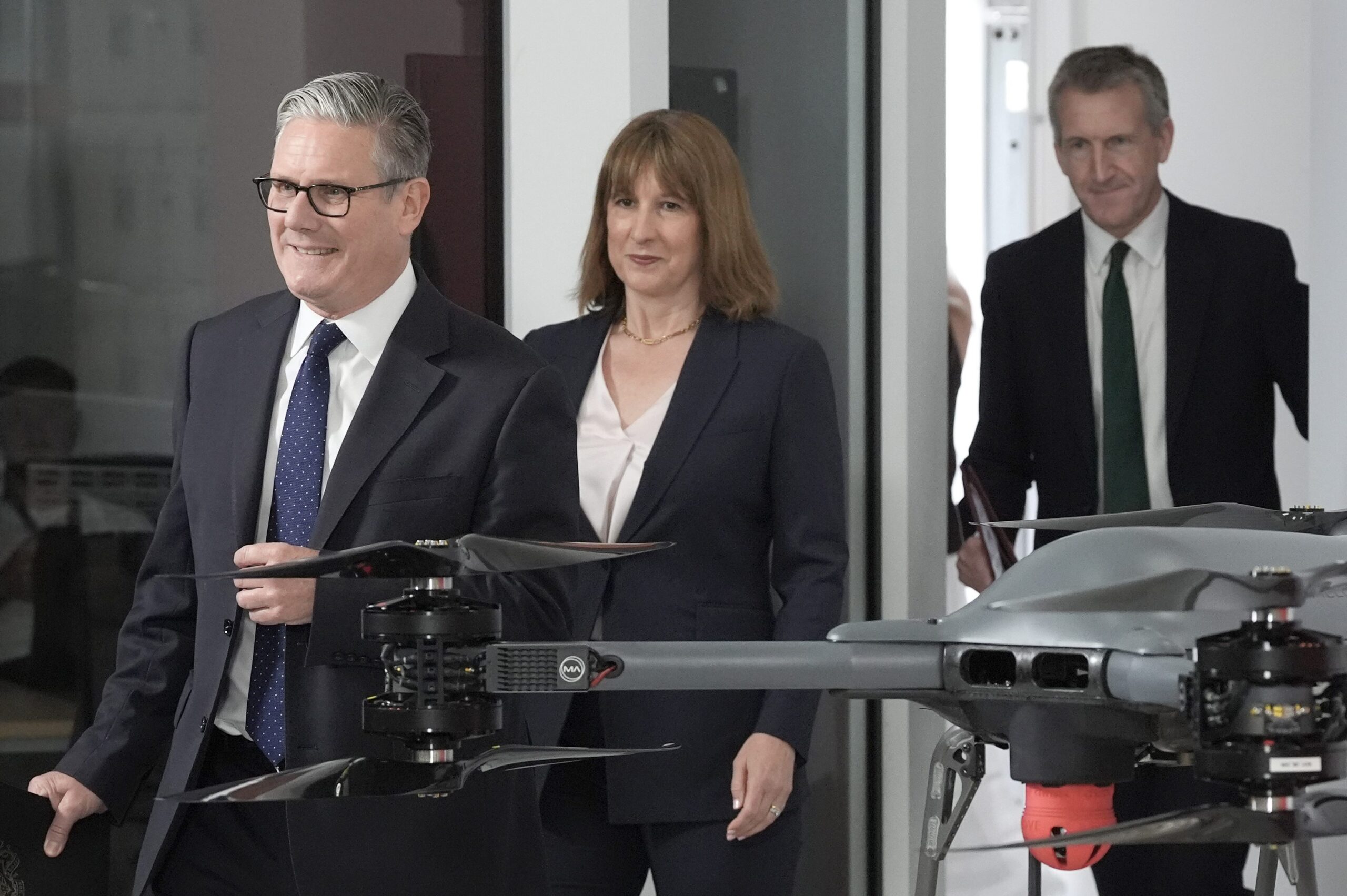
During a speech led by defence secretary Dan Jarvis, Chancellor Rachel Reeves and the outgoing Prime Minister, ministers said they made the “right choices” and defended plans to back investment on drones and technology over large warships and jets.
Jarvis said the Defence Investment Plan (Dip) settlement, which was delayed by around nine months, would make the armed forces “better prepared” while Reeves said protecting the UK would go down as a “defining pillar” of Starmer’s leadership.
In a defiant defence of his record on boosting the military, Starmer said: “Europeans must take more primary responsibility for their own defence. These are the changes and the challenges that have defined my premiership and will continue to define our times.
“We must do what it takes to meet this new world head-on to keep our country safe and seize the opportunities that come from investing on our sovereign strength.
#mc_embed_signup { background: #fff; clear: left; font: 14px Helvetica, Arial,sans-serif; width: 100%; max-width: 600px; margin: 20px 0; } #mc-embedded-subscribe-form { margin: 20px 0 !important; } .newsletter-form-flex { display: flex; gap: 0; align-items: center; margin-top: -10px; } .newsletter-form-flex input[type=”email”] { flex: 1; padding: 2px 10px; border: 1px solid rgb(18, 22, 23) !important; border-radius: 12px 0 0 12px !important; } .newsletter-form-flex input[type=”submit”] { padding: 4px 10px !important; margin: 0 !important; background-color: rgb(18, 22, 23) !important; color: rgb(255, 255, 255) !important; border: 1px solid rgb(18, 22, 23) !important; border-radius: 0 12px 12px 0 !important; } .newsletter-banner-content { margin-bottom: 15px; } .newsletter-banner-content h2 { margin: 0 0 10px 0; font-size: 18px; font-weight: 600; } .newsletter-banner-content p { margin: 0 0 10px 0; line-height: 1.5; } .newsletter-banner-content ul, .newsletter-banner-content ol { margin: 0 0 10px 20px; } .newsletter-banner-content a { color: #0073aa; text-decoration: none; } .newsletter-banner-content a:hover { text-decoration: underline; } .newsletter-banner-content img { max-width: 100%; height: auto; margin: 10px 0; } #mc_embed_signup #mce-success-response { color: #0356a5; display: none; margin: 0 0 10px; width: 100%; } #mc_embed_signup div#mce-responses { float: left; top: -1.4em; padding: 0; overflow: hidden; width: 100%; margin: 0; clear: both; }
“It’s why we are transforming a defence programme that frankly for too long has been underfunded and unsuited to the threats that we face.”
But the £15bn package over the next four years falls short of a £28bn request for further funding from military officials.
John Healey also complained that Starmer and Reeves had been “unwilling” and “unable” to commit to raising defence spending to three per cent of GDP by 2030, instead choosing to lift spending by under 0.1 per cent from the level of 2.6 per cent.
Starmer claimed the government would spend £80bn a year on defence by 2029 though he warned against issuing new war bonds to boost spending further, claiming it was “just borrowing by another name”. It is short of funding to get to three per cent of GDP as defence spending will only increase to 2.7 per cent of the economy.
Reeves said the extra funding came from “reprioritising spending across government”.
Read more Government departments will look at cutting budgets to fund defence, minister says
Cuts were made to road and energy projects, according to the Prime Minister, who said the “huge historic shift” was a “legacy in which I take pride”.
Starmer’s procurement plans
The full procurement plan and funding details are set to be published when Jarvis delivers a statement in the House of Commons. Starmer said the plan’s focus was to boost jobs in Britain.
Major projects to be funded under the Dip include £8bn for the Global Combat Air Programme (GCAP) with Japan and Italy, around £63bn for nuclear deterrence and £5bn on the army.
Military officials are likely to be mostly dissatisfied with Stamer’s Dip, with the incoming Prime Minister likely to make tweaks to procurement plans and spending settlements.
The next Spending Review, which could lead to a revision in funding agreements, is scheduled for mid-2027, a few months after the UK will be projected to spend 2.6 per cent of GDP on defence.
Lord George Robertson, the former Nato chief, and Fiona Hill, a former US adviser in Russia, have hit out at the Treasury over failing to provide enough funding at a fast enough pace. The pair were authors of the government;s strategic defence review.
Even as Starmer announced the £15bn Dip settlement on Tuesday, General Sir Richard Barrons,
Starmer said a focus on using AI systems to support uncrewed ships and use drones to collect intelligence would make the army “ten times more lethal”.
It was reported that Andy Burnham, who is highly expected to take over from Starmer within weeks, has accepted the Dip. Starmer said his successor could “build” on the strategy
Read more Starmer scrambles to make savings in bid to boost defence spending
Similarly tagged content: Sections Categories People & Organisations