

As every sport seemingly gets its own documentary, Matt Readman assesses whether they’re meddling with reality. There is a famous rule in nature documentary filmmaking: observe, but never intervene. The moment the camera changes the behaviour of its subject, it stops documenting reality and starts creating it. Earlier this month
 Matt Readman



Thursday 23 July 2026 1:00 pm | Updated: Thursday 23 July 2026 10:43 am
As every sport seemingly gets its own documentary, Matt Readman assesses whether they’re meddling with reality.
There is a famous rule in nature documentary filmmaking: observe, but never intervene. The moment the camera changes the behaviour of its subject, it stops documenting reality and starts creating it.
Earlier this month the International Cricket Council investigated England for releasing a behind-the-scenes video announcing Ben Stokes’s retirement mid-match. It sounds petty in a sporting world built on social media and constant access. But the reason for the rule is interesting.
The concern the ICC has is that content released during a five-day match can influence the contest itself – a bit like the embargo that exists around reporting on active court cases – and in this situation, it arguably did.
Stokes’s announcement altered the atmosphere instantly. The very next ball he took a wicket. Momentum shifted. Tactics were adjusted. Letting fans in on the story had its impact. Content arguably changed the contest.
#mc_embed_signup { background: #fff; clear: left; font: 14px Helvetica, Arial,sans-serif; width: 100%; max-width: 600px; margin: 20px 0; } #mc-embedded-subscribe-form { margin: 20px 0 !important; } .newsletter-form-flex { display: flex; gap: 0; align-items: center; margin-top: -10px; } .newsletter-form-flex input[type=”email”] { flex: 1; padding: 2px 10px; border: 1px solid rgb(18, 22, 23) !important; border-radius: 12px 0 0 12px !important; } .newsletter-form-flex input[type=”submit”] { padding: 4px 10px !important; margin: 0 !important; background-color: rgb(18, 22, 23) !important; color: rgb(255, 255, 255) !important; border: 1px solid rgb(18, 22, 23) !important; border-radius: 0 12px 12px 0 !important; } .newsletter-banner-content { margin-bottom: 15px; } .newsletter-banner-content h2 { margin: 0 0 10px 0; font-size: 18px; font-weight: 600; } .newsletter-banner-content p { margin: 0 0 10px 0; line-height: 1.5; } .newsletter-banner-content ul, .newsletter-banner-content ol { margin: 0 0 10px 20px; } .newsletter-banner-content a { color: #0073aa; text-decoration: none; } .newsletter-banner-content a:hover { text-decoration: underline; } .newsletter-banner-content img { max-width: 100%; height: auto; margin: 10px 0; } #mc_embed_signup #mce-success-response { color: #0356a5; display: none; margin: 0 0 10px; width: 100%; } #mc_embed_signup div#mce-responses { float: left; top: -1.4em; padding: 0; overflow: hidden; width: 100%; margin: 0; clear: both; }
It raises an interesting question at an interesting time. Where do we draw the line between storytelling and story creation in sport?
The past decade has been a golden age for sports documentaries. All or Nothing, Drive to Survive, The Last Dance. Behind-the-scenes access transformed niche audiences into global ones and generated millions in new commercial value.
But familiarity erodes novelty. A retrospective docuseries is now a hygiene factor rather than an X factor.
Sport documentaries are everywhere
The first dressing-room speech felt revelatory. The 50th barely registers. Fans raised on TikTok, YouTube and athletes documenting themselves in real time no longer want access six months later. By then, they’re already following the next story.
Perhaps that’s why the format is losing momentum. Shows are harder to commission, harder to differentiate and harder to hold attention. Even Netflix’s flagship Drive to Survive saw season seven attract around 10 per cent fewer viewers.
Sport’s commercial dilemma is obvious: if documentaries no longer satiate the incredible appetite of sports fans to be in on the story, what comes next? Personalisation through AI, gaming and deeper live access all promise to bring supporters closer.
Teams will inevitably be pushed further: more player microphones, more team radio, more dressing-room footage. Why shouldn’t fans hear a half-time team talk as well as the players?
It sounds compelling, but there are challenges in the way.
Read more Reality is rugby’s Nations Championship is botched
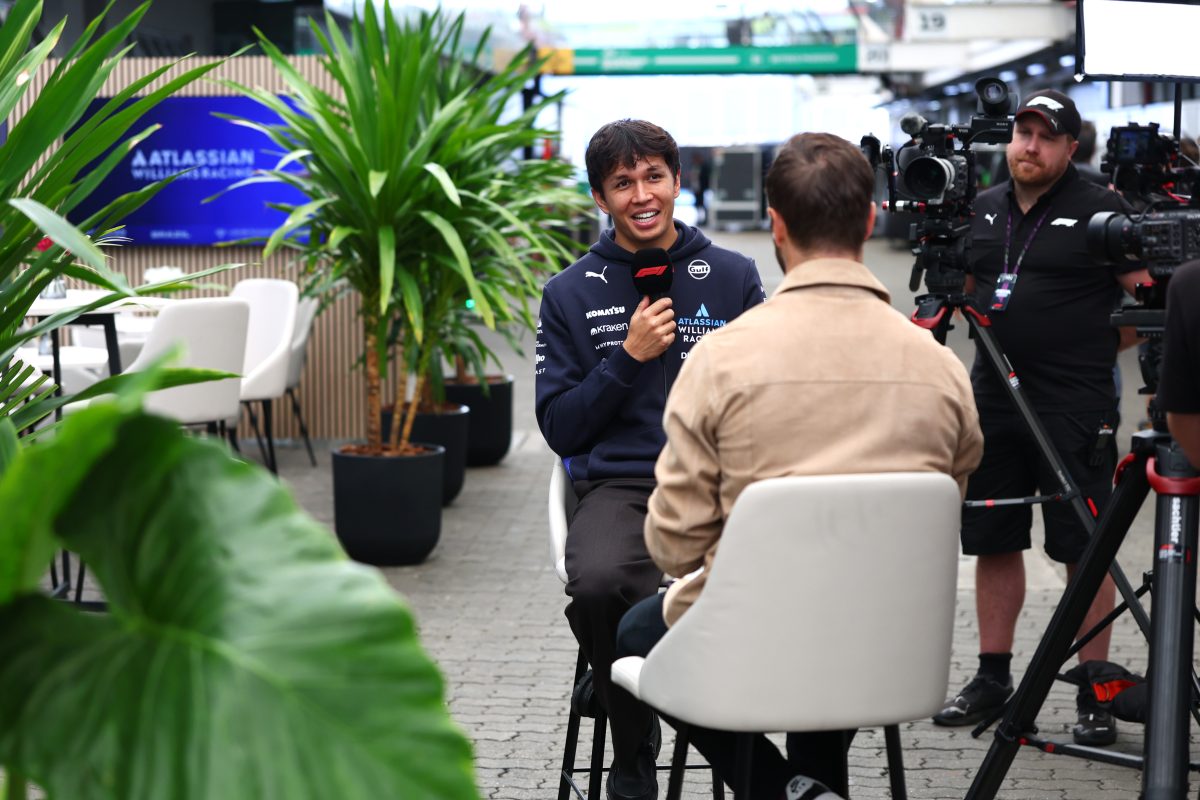
The first is athletes themselves. Some are increasingly questioning whether limitless access comes at too high a price. After footage emerged of her smashing a racket off-court, Coco Gauff questioned whether tennis stars now live in a “goldfish bowl”, where every emotion risks becoming content.
Max Verstappen has similarly criticised Formula 1’s increasingly manufactured storytelling. Their concern is not simply privacy. It is that some parts of elite competition should still belong to the competitors rather than the audience.
The second issue is competitive integrity.
The Stokes episode showed how access can become part of the narrative itself. Formula 1 teams have normalised broadcasting valuable information to rivals through radio messages. But increasingly in sports documentaries, we see the opposite. Masterful coaches and managers are reduced to motivational speakers as meaningful tactical detail is edited out.
Challenges exist
Rugby’s attempt to replicate the Netflix effect faltered in part because England and Ireland feared revealing too much. A team’s IP is sacred; how much access can you give before you give it away?
The third problem is subtler, but perhaps the most important. Economists have a principle called Goodhart’s Law: when a measure becomes a target, it ceases to be a good measure. Once people know they are being judged by something, they begin optimising for it.
The first generation of sports documentaries worked because nobody was performing. Coaches forgot the cameras were there. Drivers reacted instinctively. The authenticity came precisely because it wasn’t being manufactured.
The next generation will grow up differently. They will have been raised on Drive to Survive, social media and personal branding. They’ll know a dressing-room speech could become a viral clip. An emotional confrontation could define their reputation more than a podium finish. The camera is no longer an observer. It is another audience.
And once people begin performing for the camera, the camera is no longer documenting reality. That is the paradox at the heart of modern sport. Every new layer of access promises greater authenticity while making genuine authenticity harder to find.
Nature documentaries solved this long ago: observe, but don’t interfere. Sport has not yet decided where that line sits.
Its documentaries have transformed fandom and generated extraordinary commercial value. But there comes a point where bringing supporters closer stops revealing the story and starts rewriting it.
And once that line is crossed, the greatest casualty is not privacy. It is reality.
Matt Readman is chief strategy officer at sports creative agency Dark Horses.
Read more World Cup final half-time show has been coming, but Fifa must be careful
Similarly tagged content: Sections Categories People & Organisations Related Topics