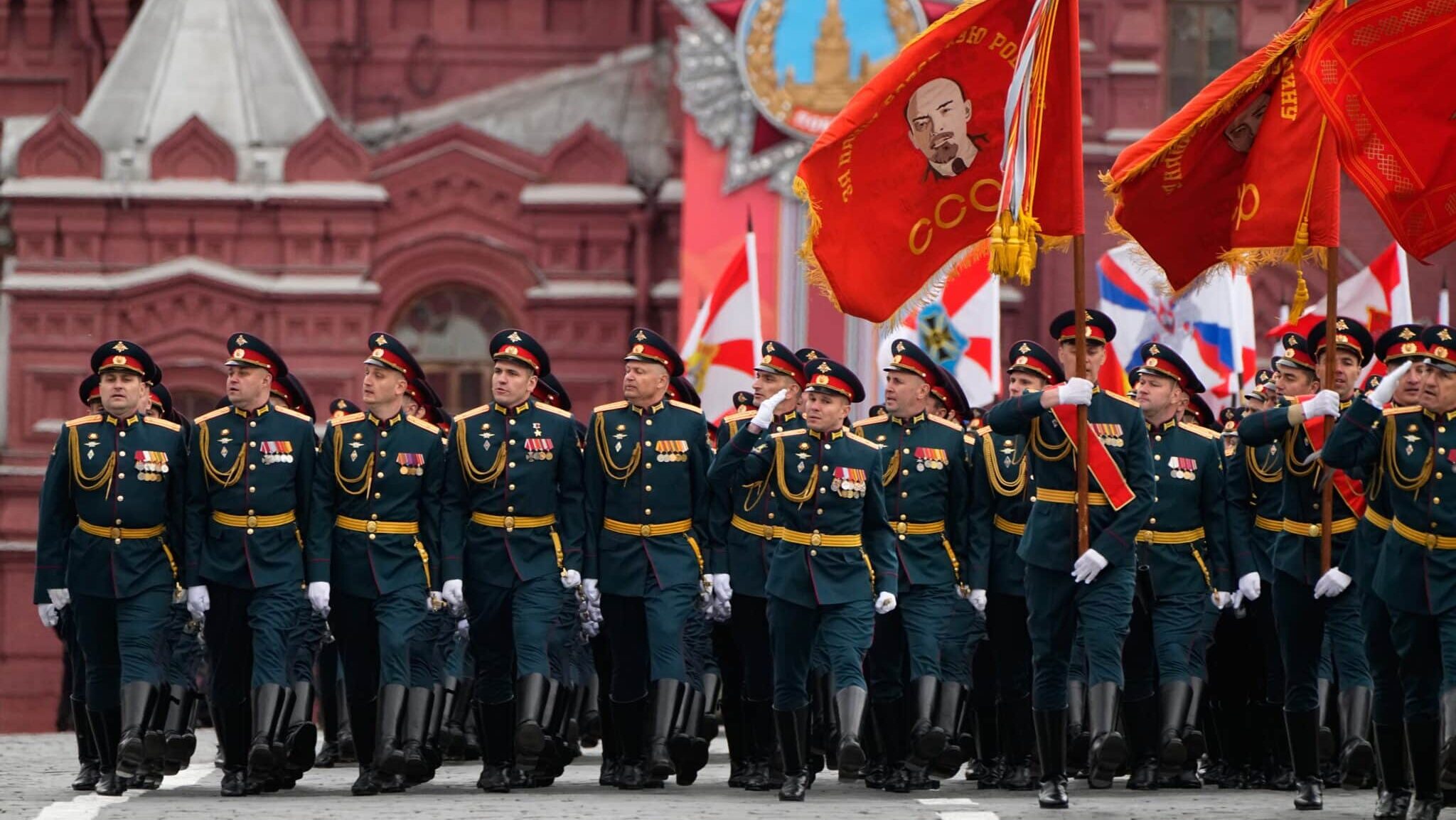
Most European leaders stayed well away from Putin’s May jamboree – and the meagre presence of a few Bosnian Serb political leaders only underscored Moscow’s isolation.
 admin
admin



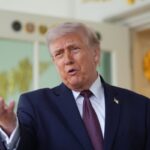
If anything, the UN meeting revealed that Dodik has found a patron more efficient than Moscow – in the US administration. His massive investment in lobbying and trips to Washington have already rid him of American sanctions and now may help to shed the much-resented oversight of the High Representative. At the UN, the US delegation called for a reduction in the powers of the next office holder and the complete abolition of the post in the future.
Unlike the Kremlin, the White House may actually deliver on an issue crucial for Dodik’s political wellbeing. By contrast, Russia will have little say on the matter, as it has been boycotting the Peace Implementation Council, PIC, which elects the High Representative, since the early 2020s, refusing to contribute to the financing of the office. The chances of it ever being accepted back in, even if it wished to be, are low.
The implications of Dodik’s switch from Moscow to Washington are already tangible in the energy domain. For many years, he ardently lobbied for Bosnia’s gas system to be linked up to Russia’s controversial TurkStream pipeline, constructed to bypass Ukraine. That would have expanded deliveries of Russian gas to the country, further deepening its dependence on a single provider. But Dodik has stopped promoting the idea recently, instead backing the alternative project of the Southern Gas Interconnection.
This $1.5 billion gas pipeline linking Bosnia to the Croatian LNG terminal at Krk island is reportedly due to be constructed by US businessmen associated with Trump. The gas delivered via it is also likely to be American. Ironically, Russia may lose one of its last gas markets in Europe thanks to the fluid loyalty of its own erstwhile stalwart.
Similar developments are unfolding in Serbia, where Belgrade is visibly anxious to wean itself off dependency on Russia’s energy by cooperating with no less authoritarian but far less toxic Azerbaijan. High-level contacts between the two governments have become an almost monthly occurrence. Vucic’s latest visit to Baku resulted in an agreement to construct a new thermal power plant near Nis, apparently to be fuelled by Azerbaijani gas.
From the start of 2024, Azerbaijan’s share in Serbia’s gas imports climbed from zero to 12 per cent in 2025, and is bound to increase further when the Balkan country gains access to TANAP and TAP pipelines via the interconnector with North Macedonia, due to be completed by 2028.
In combination with the recently constructed interconnector to Bulgaria and another one to Romania, scheduled to be finished in 2027, the total capacity of alternative gas delivery routes will amount to several billion cubic meters a year. That will be more than enough for Serbia to give up on Russian gas completely if needed.
That is still some way off, however. Currently Russia is dragging its feet on even ostensibly done deals in order to retain its influence in the Serbian energy sector for as long as possible.
The fall of Viktor Orban from power in Hungary foreshadows further delays in the sale of Russia’s majority share in Serbian oil giant NIS to Hungary’s MOL, announced back in January. The new Hungarian government lacks the extensive connections enjoyed by Orban in both Moscow and Washington, while the dire state of the world energy markets due to the blockade of the Strait of Hormuz is pushing the US to treat Russia’s oil interests more leniently.
As a result, little is afoot between NIS and MOL right now, and the number of obstacles to sealing the complex deal is not diminishing. The delays are prompting other buyers to pop up with alternative offers, which so far don’t look serious, but fuel the atmosphere of uncertainty.
Concerned with the potential costs of disruption to the energy industry, the Serbian leadership has called for the process to be accelerated, but the Russian side shows no sign of being in any hurry. Serbia is talking about holding elections – and Moscow knows full well that no Serbian leader can afford a confrontation with Russia at such a delicate time.
Maksim Samorukov is a fellow at Carnegie Russia Eurasia Centre in Berlin.
The opinions expressed are those of the author only and do not necessarily reflect the views of BIRN.