Drone and ballistic missile strikes are pushing Russia to breaking point
 Geoffrey Smith



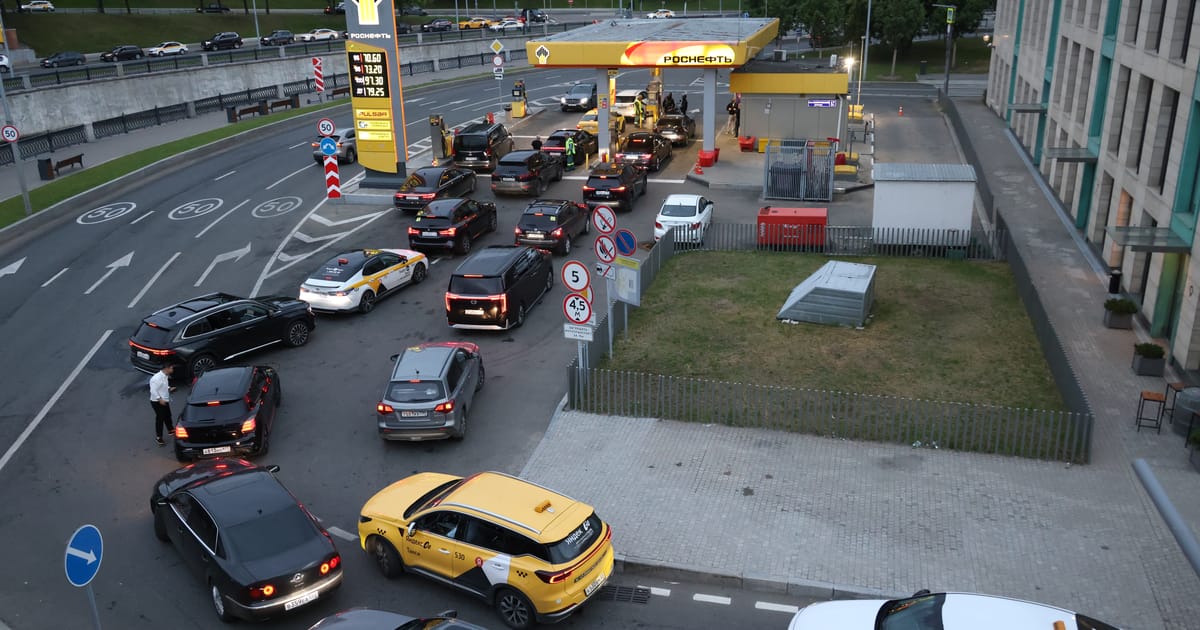
Those imports are needed because — according to some Russian social media accounts — Ukraine has deliberately targeted refinery units such as catalytic crackers that Russia can’t repair or replace itself, meaning that there is no quick end in sight to fuel shortages. Catalytic crackers help to maximize the yield of commercially useful distillates from crude oil.
“The amount of gasoline available in Russia at the moment is determined by a race between Ukrainian drones and Russian repair teams” Sergey Vakulenko, an analyst with the Carnegie Institute for International Peace, wrote in a research note. “If the frequency of Ukrainian attacks can be maintained, and the damage from each attack increases, then the advantage swings toward Kyiv. That’s what we are currently seeing.”
The one silver lining for the Kremlin is that the country still has plenty of diesel, essential for trucks and for agricultural machinery. However, officials said after the weekend meeting that the government may yet impose a ban on exports later this summer to guarantee supply around the harvest searson. It has already banned exports of jet fuel and gasoline.
How much?
Even when fuel is available, there is the issue of rising prices.
Fuel prices typically have a big impact on broader inflation, and the Central Bank of Russia warned in the minutes of its latest policy meeting on Wednesday that the recent surge is more likely to have a lasting impact than would have been the case in the past.
An existing government agreement on price restraint with the major oil companies may help keep official prices down, but anecdotal evidence points to a rise in unofficial fuel sales at hefty markups, which businesses can’t help but pass on to their customers. The trend “creates additional inflationary risks,” the bank said.