Keir Starmer has announced a ban on social media for under-16s, arguing that platforms are harming children’s wellbeing and fuelling a generation of unhealthy online habits. The Prime Minister said social media was making children “unhappy”, making it easier for bullies to harass and abuse young people and potentially damaging
 Saskia Koopman



Monday 15 June 2026 8:50 am | Updated: Monday 15 June 2026 9:26 am
Keir Starmer has announced a ban on social media for under-16s, arguing that platforms are harming children’s wellbeing and fuelling a generation of unhealthy online habits.
The Prime Minister said social media was making children “unhappy”, making it easier for bullies to harass and abuse young people and potentially damaging their mental health.
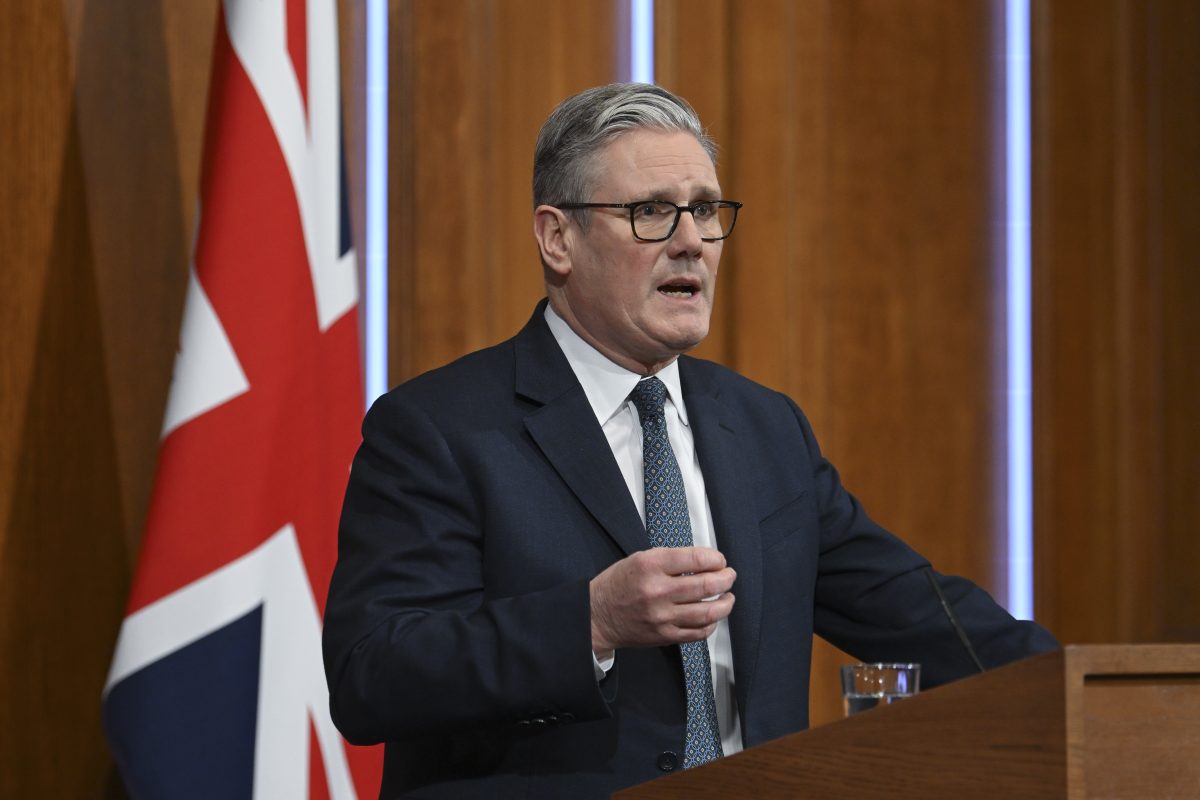
Speaking at Downing Street on Monday morning, Starmer said the government had already “taken powers earlier this year to make sure we could move at speed”, with legislation expected before Christmas and the restrictions due to come into force in the early part of 2027.
“I think we are going to see parents across the country welcome it” Starmer said. “I do believe the vast majority of parents will defend it”.
The move follows one of the largest public consultations in recent government history, with more than 116,000 responses submitted and around nine in 10 parents backing a minimum age of 16 for social media access.
#mc_embed_signup { background: #fff; clear: left; font: 14px Helvetica, Arial,sans-serif; width: 100%; max-width: 600px; margin: 20px 0; } #mc-embedded-subscribe-form { margin: 20px 0 !important; } .newsletter-form-flex { display: flex; gap: 0; align-items: center; margin-top: -10px; } .newsletter-form-flex input[type=”email”] { flex: 1; padding: 2px 10px; border: 1px solid rgb(18, 22, 23) !important; border-radius: 12px 0 0 12px !important; } .newsletter-form-flex input[type=”submit”] { padding: 4px 10px !important; margin: 0 !important; background-color: rgb(18, 22, 23) !important; color: rgb(255, 255, 255) !important; border: 1px solid rgb(18, 22, 23) !important; border-radius: 0 12px 12px 0 !important; } .newsletter-banner-content { margin-bottom: 15px; } .newsletter-banner-content h2 { margin: 0 0 10px 0; font-size: 18px; font-weight: 600; } .newsletter-banner-content p { margin: 0 0 10px 0; line-height: 1.5; } .newsletter-banner-content ul, .newsletter-banner-content ol { margin: 0 0 10px 20px; } .newsletter-banner-content a { color: #0073aa; text-decoration: none; } .newsletter-banner-content a:hover { text-decoration: underline; } .newsletter-banner-content img { max-width: 100%; height: auto; margin: 10px 0; } #mc_embed_signup #mce-success-response { color: #0356a5; display: none; margin: 0 0 10px; width: 100%; } #mc_embed_signup div#mce-responses { float: left; top: -1.4em; padding: 0; overflow: hidden; width: 100%; margin: 0; clear: both; }
The ban will encompass platforms including TikTok, Instagram, Snapchat, X and Facebook, with full details due later today.
“We have a definition of social based on the Australian model,” Starmer said. “There are certain features that will come within the ban and some that won’t.”
Alongside the social media ban, ministers are expected to introduce additional restrictions covering gaming platforms, AI chatbots and features designed to maximise engagement, including measures aimed at reducing late-night scrolling among teenagers.
The announcement places Ofcom at the centre of one of the most ambitious online safety crackdowns attempted anywhere in the world.
An Ofcom spokesperson said: “So far, Ofcom has driven some of the strongest changes of any online safety regulation in the world, from widespread age checks to grooming protections for children.”
“But the industry needs to go much further to make people safe. The Government has entrusted us to build on this progress with new measures to protect children, and we’re ready to work closely with them as the detailed regulations take shape.”
Starmer acknowledged some children would inevitably attempt to bypass restrictions but argued that was no reason to avoid action.
“Of course they try to get around all the laws. Teenagers try to drink before they should,” he said.
The Prime Minister framed the move as a broader cultural intervention rather than simply a regulatory exercise.
“In terms of success, that will be a drop-off in children on social media,” he said. “Step number two, probably equally if not more important, is a cultural change – children can grow up differently.”
Read more Starmer vows to end system ‘failing our kids’ ahead of expected social media ban
He also rejected suggestions that tighter restrictions were incompatible with Britain’s ambitions to become a technology superpower: “I am a fan of tech and AI. The possibility to change lives for the better – I’m all in favour of that.”
“I do not accept and I will never accept that you can either be pro tech and AI or protect our children. I think you can be pro tech and at the same time pro protecting our children. They’re not incompatible.”
Calling the decision a “statement of our values”, Starmer said protecting children online had become one of the defining policy debates of the modern era. “This is a statement of our values and who we are as a country,” he said.
Industry broadly welcomes action
Andy Lulham, chief operating officer at Verifymy, said the government had finally shown its hand: “the Government has finally shown its hand on social media, and it’s a clenched fist.”
“Implementing a ban for under-16s, demanding platforms close accounts as well as restrictions on chatbots and gaming platforms, is both bold and blunt. Yet parents clearly want tough measures, with nine in ten respondents backing a ban.”
Lulham said age-verification technology developed under the Online Safety Act meant platforms now had the tools needed to comply.
“But technology alone won’t be enough. To reduce harm, the ban needs to be backed by real accountability for platforms, proper support for parents and education that prepares young people for the online world they’ll eventually rejoin.”
George Bevis, founder of child safety platform Safetymode.com, warned the policy risked addressing only part of the problem.
“A social media ban is a bit like putting a lock on the front door while leaving the back door wide open,” he said.
“Children aren’t just spending time on Instagram and Tiktok. They’re on Whatsapp, Youtube, gaming platforms and countless other apps. Harmful content doesn’t disappear because one app is banned.”
Still, Starmer signalled the government was prepared for a lengthy fight with technology firms over implementation.
“Of course this is about fighting for what we think is right,” he said. “I think protecting children is right.”
The Prime Minister said he expected to discuss the issue with fellow leaders at this week’s G7 summit, arguing there was growing international recognition that stronger intervention was needed.
“I honestly think that across world leaders there has always been a recognition that steps need to be taken to protect children,” he said. “We’re about to go off to the G7 and I will discuss this with world leaders when I am there.”
Read more Starmer urged to press ahead with under-16 social media ban as decision nears
Similarly tagged content: Sections Categories People & Organisations