By Anna Jordan on Growth Business – Your gateway to entrepreneurial success A landmark free trade agreement between the UK and India is coming in mid July. Get ready for the new importing and exporting rules The post Preparing your business for the UK-India trade deal appeared first on Growth
 Anna Jordan



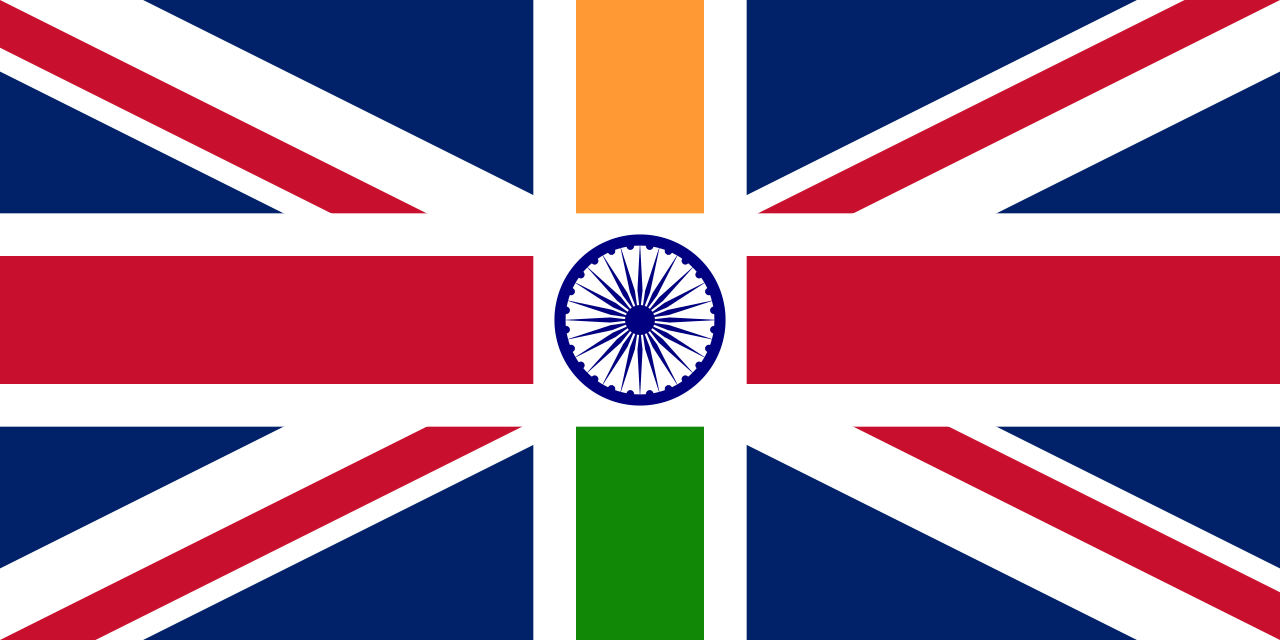
The long-awaited UK-India trade deal will be coming into force from July 15, 2026.
This free trade agreement makes it easier for workers to get visas and travel between respective countries, reduces tariffs and reduces clearance times, all while boosting the economy. The government says that the deal could boost UK GDP by £4.8 billion, real wages by £2.2 billion and bilateral trade by £25.5 billion every year long-term.
There’s even a section of the agreement dedicated to SMEs, making it easier for smaller firms to understand and navigate the other country’s systems.
Vivek Ramachandran, head of global trade solutions at HSBC said: “The UK and India FTA won’t solve every issue overnight, but it sets a credible platform for sustained growth in trade, investment and jobs on both sides.”
Importers and exporters can get ahead with these tips.
How are tariffs changing?
Tariffs will be reduced on 92% of existing goods imports from the UK. Meanwhile, India has agreed to remove tariffs on 64% of tariff lines at entry.
These include:
Whisky tariffs cut from 150% to 75%, then to 40% over the next 10 years Automotive tariffs will fall from 100% to 10% over the next 10 years Cosmetics will see tariffs of up to 22% eliminated either from day one or after 10 years
Sugar, milled rice, pork, chicken and eggs are excluded.
What you need to do now Understand rules of origin
In order to get preferential tariffs, products must be:
Wholly obtained or produced in the UK or India Made entirely from originating materials sourced in the UK or India Produced using non-originating materials but meets specific product-level rules known as Product-Specific Rules (PSRs)
You should have an understanding of which products are eligible.
Register to export goods
If you want to export under the agreement, you can self-certify the origin. This means that you won’t have to get a certification from a competent authority each time you export a consignment.
To register, you’ll need:
The EORI number that the government has for your business Your business or trading name A primary email address (and up to 10 additional email addresses)
Find out more information and register here.
After each consignment of goods, you’ll need to fill out an origin declaration template and send it to the customs authority of India and the importer in India.
Review your supply chains
Though the agreement is promising to strengthen supply chains, it’s important to review them. In order to get preferential tariffs, you must meet the rules of origin criteria outlined above.
Read more
3 ways to improve your chances of success exporting overseas – Sean Ramsden, founder and CEO of Ramsden International, says that exporters must be mindful of cultural differences when it comes to exporting