
The Tisza government is poised to topple Orbán-era power brokers but a messy battle over Hungary’s presidency now risks dragging the Constitutional Court into a full-blown legitimacy crisis.
 Zoltan Szalay



There is no summer lull in Hungarian politics in 2026. Dramatic announcements and sweeping political changes have followed one another almost daily. The dismantling of the Orbán system is gathering pace, but events have also shown that even a government with a two-thirds parliamentary majority cannot simply remove every official and loyalist appointed under the previous administration.
Although Viktor Orbán’s allies still occupy the leadership of many state institutions, the disintegration of his Fidesz party accelerated sharply this week: two key figures stepped aside -while the prospect of a party split has also emerged.
Szijjártó’s departure from politics is being spun as a success
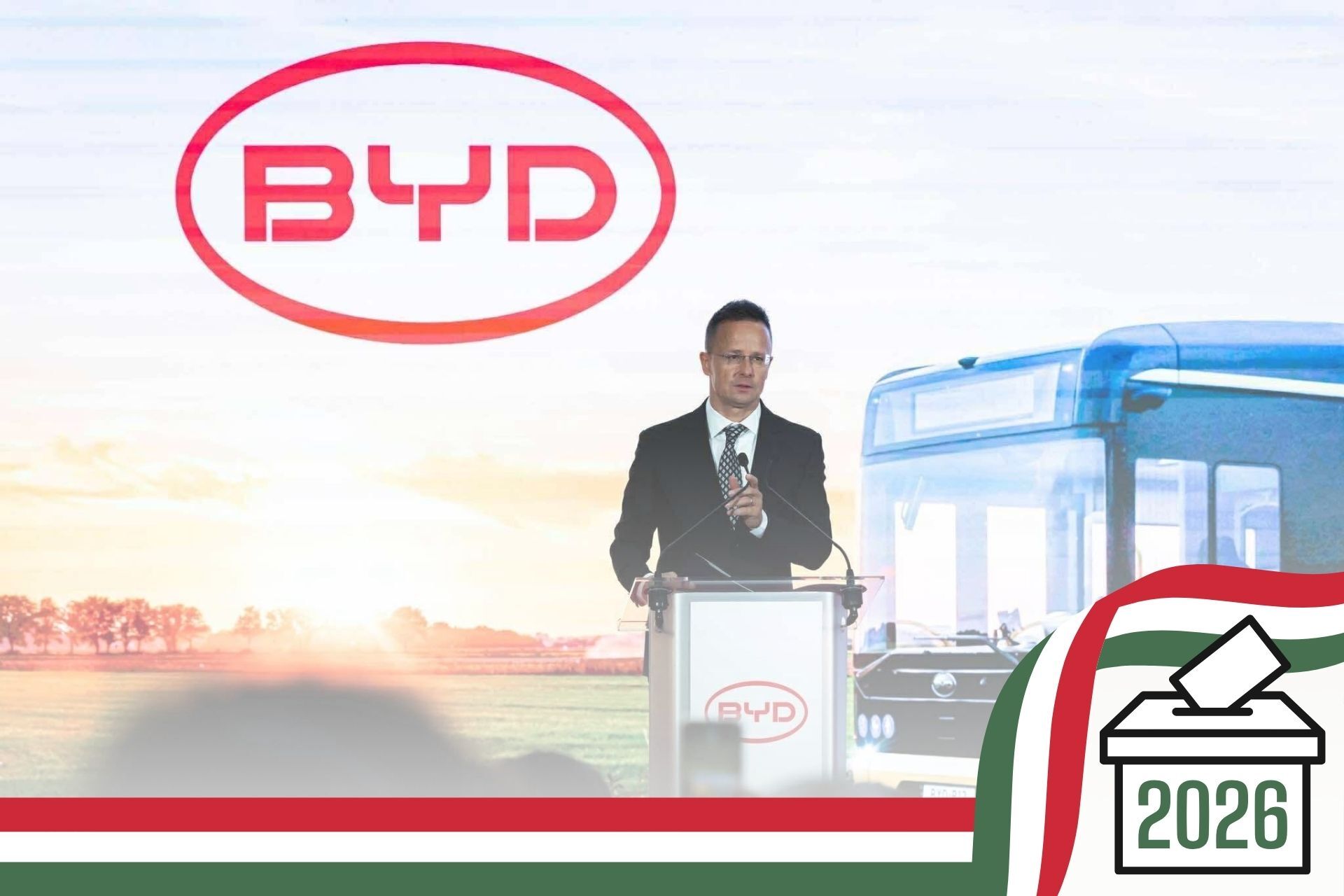
“The transfer of the summer goes to BYD. Good luck, Péter!” Viktor Orbán wrote after his former foreign minister, Péter Szijjártó, announced on Wednesday that he would become executive responsible for international relations and the development of new business divisions at BYD, the Chinese electric vehicle maker. As a result, he will also resign his parliamentary seat.
Szijjártó’s announcement was met largely with congratulatory comments on social media. This is noteworthy because, over the past several years and throughout the campaign leading up to the April elections, he had been one of Fidesz’s most recognisable faces alongside Orbán and former minister of transport János Lázár. With his departure from politics, the party is losing one of its most experienced and best-known politicians.
Although Szijjártó took up his MP’s seat after Fidesz’s election defeat, he never attended parliamentary sittings and avoided commenting on current political affairs. He was the only senior Fidesz politician to give an interview to an independent media outlet after the election, but then once again withdrew from public life. He did not appear at, nor promote, the demonstrations organised by Fidesz. His Facebook page was devoted almost exclusively to football.
Speaking to the Hungarian weekly HVG, Fidesz communications director Bertalan Havasi said Szijjártó had held two face-to-face meetings with Orbán in recent weeks. Havasi also offered his personal assessment of the party’s condition, describing it as “not good, and chaotic in places”, while insisting that Orbán was “working tirelessly to stabilise the situation”, leaving him “overall optimistic”.
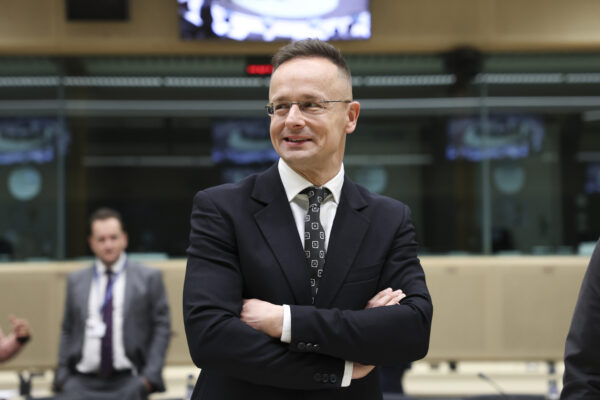
“What everyone had long suspected has now become certain. Szijjártó never represented Hungary’s interests, only those of foreign powers,” Péter Magyar said in response to the announcement. The main difference now, he added, is that Szijjártó will no longer be paid by Hungarian taxpayers but by his “real employer”. According to Magyar, joining the Chinese carmaker BYD amounts to entering the service of the Chinese Communist Party.
China’s reward
After returning to power in 2010, Orbán launched his policy of “Opening to the East”, with Szijjártó becoming one of its principal architects. He played a central role in strengthening Hungarian-Chinese relations, which have reached a level unmatched elsewhere in the EU, particularly in recent years.
In May 2024, Chinese president Xi Jinping further deepened bilateral ties during a three-day state visit to Budapest.
Alongside a €1bn Chinese loan secured by the Orbán government, Hungary has attracted a series of major Chinese investments. In addition to several large-scale battery plants, the Chinese electric vehicle giant BYD opened its first European manufacturing facility in Szeged. The company, however, had already been present in Hungary since 2017 through smaller operations in other cities. The Hungarian government granted BYD tens of billions of forints in state subsidies for the Szeged project, and in 2025 the company announced that it would establish its European corporate and research-and-development headquarters in Budapest.
Szijjártó also lobbied for Chinese interests at EU level, campaigning against tariffs on Chinese products.
On numerous occasions, he argued that the bloc’s competitiveness would be better served by maintaining close economic ties with China.