OpenAI’s proposal to hand the US government a five per cent stake in the AI firm has triggered fears that the move could complicate a future public listing. The ChatGPT maker has discussed giving the Trump administration a five per cent equity stake as part of a broader proposal that
 Saskia Koopman



Thursday 02 July 2026 2:46 pm
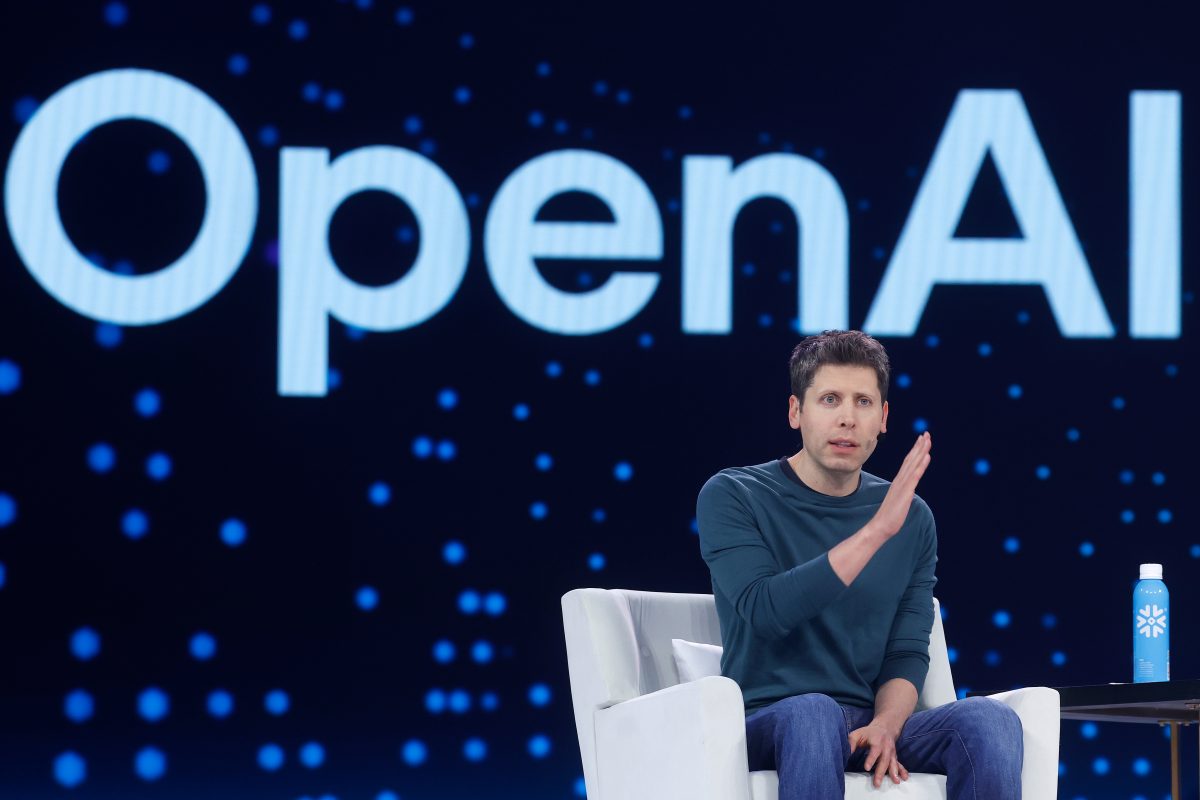
OpenAI’s proposal to hand the US government a five per cent stake in the AI firm has triggered fears that the move could complicate a future public listing.
The ChatGPT maker has discussed giving the Trump administration a five per cent equity stake as part of a broader proposal that would see America’s leading AI companies contribute shares to a public investment vehicle, according to the FT.
Analysts fear the move could risk creating a “governance overhang” for frontier AI firms, as OpenAI seeks to strengthen ties with Washington amid growing political scrutiny of AI and ahead of an expected IPO.
“It introduces a shareholder whose objectives include national security and distributional policy alongside returns,” Forrester principal analyst Indranil Bandyopadhyay told City AM.
“Some institutional investors will read that as a de-risking signal… Others will price it as a governance overhang, particularly among foreign sovereign funds and institutions sensitive to state influence over commercial decisions.”
#mc_embed_signup { background: #fff; clear: left; font: 14px Helvetica, Arial,sans-serif; width: 100%; max-width: 600px; margin: 20px 0; } #mc-embedded-subscribe-form { margin: 20px 0 !important; } .newsletter-form-flex { display: flex; gap: 0; align-items: center; margin-top: -10px; } .newsletter-form-flex input[type=”email”] { flex: 1; padding: 2px 10px; border: 1px solid rgb(18, 22, 23) !important; border-radius: 12px 0 0 12px !important; } .newsletter-form-flex input[type=”submit”] { padding: 4px 10px !important; margin: 0 !important; background-color: rgb(18, 22, 23) !important; color: rgb(255, 255, 255) !important; border: 1px solid rgb(18, 22, 23) !important; border-radius: 0 12px 12px 0 !important; } .newsletter-banner-content { margin-bottom: 15px; } .newsletter-banner-content h2 { margin: 0 0 10px 0; font-size: 18px; font-weight: 600; } .newsletter-banner-content p { margin: 0 0 10px 0; line-height: 1.5; } .newsletter-banner-content ul, .newsletter-banner-content ol { margin: 0 0 10px 20px; } .newsletter-banner-content a { color: #0073aa; text-decoration: none; } .newsletter-banner-content a:hover { text-decoration: underline; } .newsletter-banner-content img { max-width: 100%; height: auto; margin: 10px 0; } #mc_embed_signup #mce-success-response { color: #0356a5; display: none; margin: 0 0 10px; width: 100%; } #mc_embed_signup div#mce-responses { float: left; top: -1.4em; padding: 0; overflow: hidden; width: 100%; margin: 0; clear: both; }
OpenAI chief executive Sam Altman has previously argued the public should directly benefit from AI’s economic gains, comparing the idea to Alaska’s Permanent Fund, which invests oil revenues and pays dividends to residents.
The reported proposal would extend beyond OpenAI to other leading US AI developers, although it is unclear whether rivals such as Anthropic would support the arrangement.
State backing could reshape competition
Washington has had an increasingly active role in the AI industry, despite Trump’s broader push to avoid heavy-handed regulation.
Recent months have seen the administration scrutinise frontier AI releases on national security grounds, including temporary export restrictions on Anthropic’s latest models before lifting them this week following negotiations over safety safeguards.
Bandyopadhyay said government ownership could reshape competition across the sector by creating a distinction between companies inside and outside the proposed framework.
Read more ‘Act now’: AI models capable of attacks on governments months away, Five Eyes warn
“Companies within the arrangement gain implicit state alignment, which has historically correlated with preferential treatment in procurement, export permissions and access to compute resources”, he told City AM.
He added that if the US formalised sovereign equity stakes in frontier AI companies, other countries could seek similar arrangements as a condition of market access.
Patrick Munnelly, partner at Tickmill Group, added that the proposal also raised broader questions about the direction of US industrial policy.
“The bigger question is whether this is really a one-off equity stake – or the opening move in the creation of a de facto American sovereign wealth fund,” he told City AM.
He argued a federal stake in OpenAI would represent a significant departure from the traditional US model of relying on private capital and venture funding to develop strategic industries.
Supporters of the proposal argue it could give ordinary Americans direct exposure to AI-driven wealth creation as automation transforms the economy.
OpenAI has previously proposed a public wealth fund investing in AI-related assets, while Anthropic has explored the idea of a “digital dividend” funded by the sector.
Bandyopadhyay said such a model could provide citizens with “upside exposure” to AI’s economic gains rather than relying solely on tax-funded support if labour markets are disrupted.
OpenAI declined to comment.
Read more SpaceX is preparing for blast off, but will the mega IPO send investors into orbit?
Similarly tagged content: Sections Categories People & Organisations