Oil price falls to lowest level since before the US-Iran war; UK firms hope Burnham will ease burden – business live
Rolling coverage of the latest economic and financial newsOil has been on quite a journey this year.On 27 February, just before the Iran war started, Brent crude closed at $72.48 a barrel. It surged once the conflict began – hitting $119/barrel several times in March, and then peaking at $126.41
Graeme Wearden
June 25, 2026
0 Comments
Good morning, and welcome to our rolling coverage of business, the financial markets and the world economy.
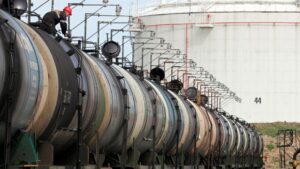
Fears that the world could soon face an over-supply of oil have pushed crude prices below their levels before the Iran war.
The price of a barrel of Brent crude has fallen as low as $72.24 today, slightly lower than the day before the Iran war began.
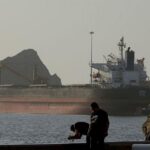
Oil prices have been sliding since the US and Iran finally began peace talks, bolstering hopes of a lasting agreement to end the conflict and encouraging more oil tankers to pass through the strait of Hormuz.
According to CNN last night, MarineTraffic data shows vessel traffic in the strait of Hormuz doubled over the previous 24 hours to its highest level since late February.
News that vessels are now transiting the strait of Hormuz with their satellite signals switched on helped push down the oil price, reports IpekOzkardeskaya, senior analyst at Swissquote, adding:
A combination of strategic inventory releases, a collapse in demand from top buyer China and a substantial number of tankers quietly leaving the Persian Gulf “dark” had contributed to a small oversupply in some key markets, according to traders interviewed by Bloomberg.
The agenda
9am BST onwards: British Chambers of Commerce global annual conference
9am BST: ECB’s Bulletin
1.30pm BST: US PCE inflation index for May
Oil has been on quite a journey this year.
On 27 February, just before the Iran war started, Brent crude closed at $72.48 a barrel. It surged once the conflict began – hitting $119/barrel several times in March, and then peaking at $126.41 at the end of April.
But it then fell through May and June – as hopes of a peace deal rose.
Asia-Pacific stock markets have jumped today, amid relief that the oil price has fallen to its pre-Iran war levels.
Japan’s Nikkei has surged by 4.6%, while South Korea’s KOSPI is up over 6%.
Jim Reid, market strategist at DeutscheBank, says:
Markets are in a buoyant mood this morning, with Brent crude oil prices finally back at their pre-conflict levels.
It comes as flows through the strait of Hormuz have continued to ramp up, with the number of vessels getting through at its highest since the conflict started. And more broadly, the oil price decline has eased fears about a stagflationary shock and aggressive rate hikes to deal with any inflation.
Traders are also relieved that chip giant Micron reported a surge in quarterly profits last night, easing fears that the AI boom might falter.
Chancellor Rachel Reeves, who is widely predicted to be replaced if Andy Burnham becomes prime minister, is due to speak at the BCC’s conference today.
Several other senior political figures are also due to speak…. as is AndyHaldane, the former Bank of England chief economist who has reportedly been advising Andy Burnham.
Here’s the latest agenda:
UK firms have been through a torrid decade – first the Brexit vote, then Covid-19, and then the twin energy shocks from the Ukraine and Iranian wars.
And with a new prime minister soon to take office, business leaders are hoping they will resist the temptation to pile costs on business.
Shevaun Haviland, Director General of the British Chambers of Commerce (BCC) will warn today that the next PM – likely to be Andy Burnham – should try to lift business confidence to achieve higher growth, not stifle it.
Haviland will tell the BCC’s Global Annual Conference today that a lack of confidence is hurting the economy, explaining:
“Weak confidence reduces appetite for risk, which reduces investment, which hampers growth, which knocks confidence further.
“And this circular crisis of confidence is now shackling ambition. Blocking theactions needed to invest, innovate and trade.
“And whoever sits in No10, or the Treasury, needs to understand that.
“Businesses can only deliver growth, if the environment they operate in gives them the confidenceto act. And that is where political leadership can make all the difference.”
Good morning, and welcome to our rolling coverage of business, the financial markets and the world economy.
Fears that the world could soon face an over-supply of oil have pushed crude prices below their levels before the Iran war.
The price of a barrel of Brent crude has fallen as low as $72.24 today, slightly lower than the day before the Iran war began.
Oil prices have been sliding since the US and Iran finally began peace talks, bolstering hopes of a lasting agreement to end the conflict and encouraging more oil tankers to pass through the strait of Hormuz.
According to CNN last night, MarineTraffic data shows vessel traffic in the strait of Hormuz doubled over the previous 24 hours to its highest level since late February.
News that vessels are now transiting the strait of Hormuz with their satellite signals switched on helped push down the oil price, reports IpekOzkardeskaya, senior analyst at Swissquote, adding:
A combination of strategic inventory releases, a collapse in demand from top buyer China and a substantial number of tankers quietly leaving the Persian Gulf “dark” had contributed to a small oversupply in some key markets, according to traders interviewed by Bloomberg.
The agenda
9am BST onwards: British Chambers of Commerce global annual conference




 Graeme Wearden