

BMW’s new X5 offers more powertrain choices than ever, combining diesel, plug-in hybrid, electric and future hydrogen technology. BMW’s fifth-generation X5 arrives with more powertrain choices than any version before it, including a hydrogen model due in 2028 built with Toyota. Rather than picking a side in the electric transition,
 Tim Barnes-Clay



Thursday 23 July 2026 9:27 am | Updated: Thursday 23 July 2026 9:31 am
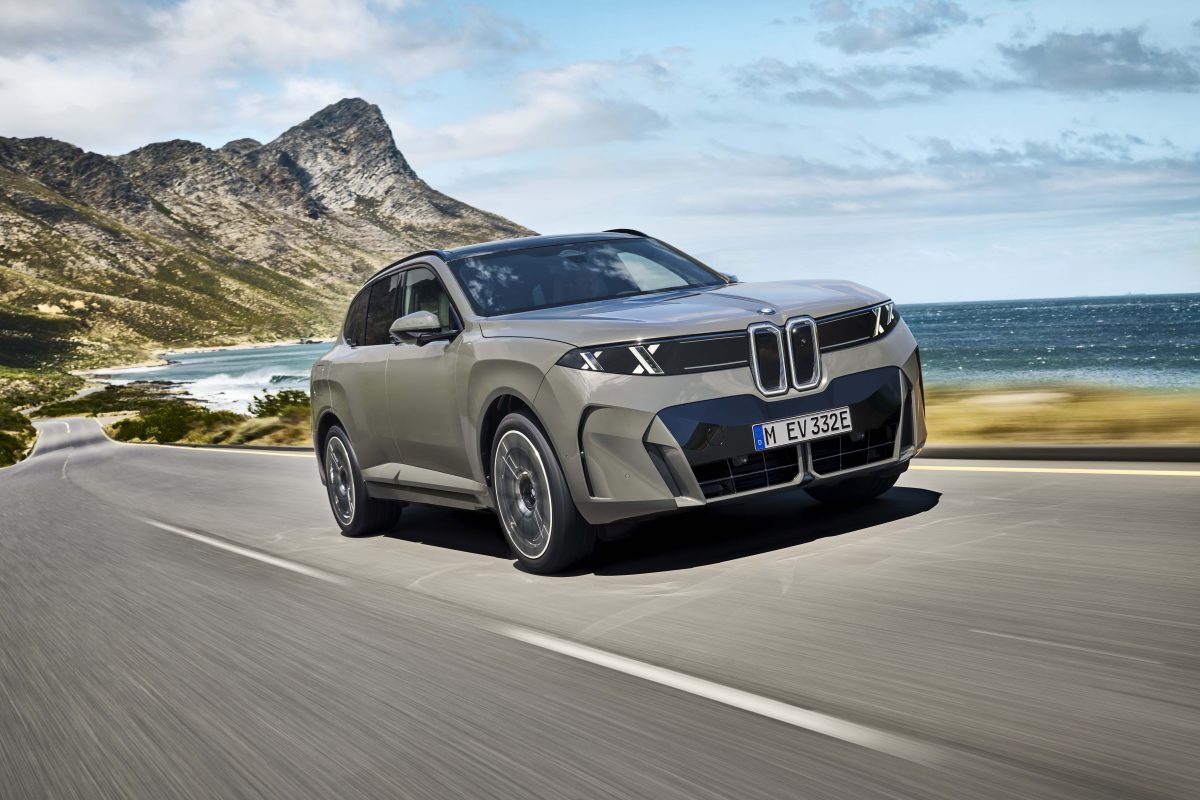
BMW’s new X5 offers more powertrain choices than ever, combining diesel, plug-in hybrid, electric and future hydrogen technology.
BMW’s fifth-generation X5 arrives with more powertrain choices than any version before it, including a hydrogen model due in 2028 built with Toyota. Rather than picking a side in the electric transition, BMW is selling all sides of it under one badge.
Ask a car company boss what will power their cars in ten years and most will give you a confident answer in public. Privately, plenty will admit they don’t really know. BMW’s new X5 looks a lot like that uncertainty turned into an actual product line.
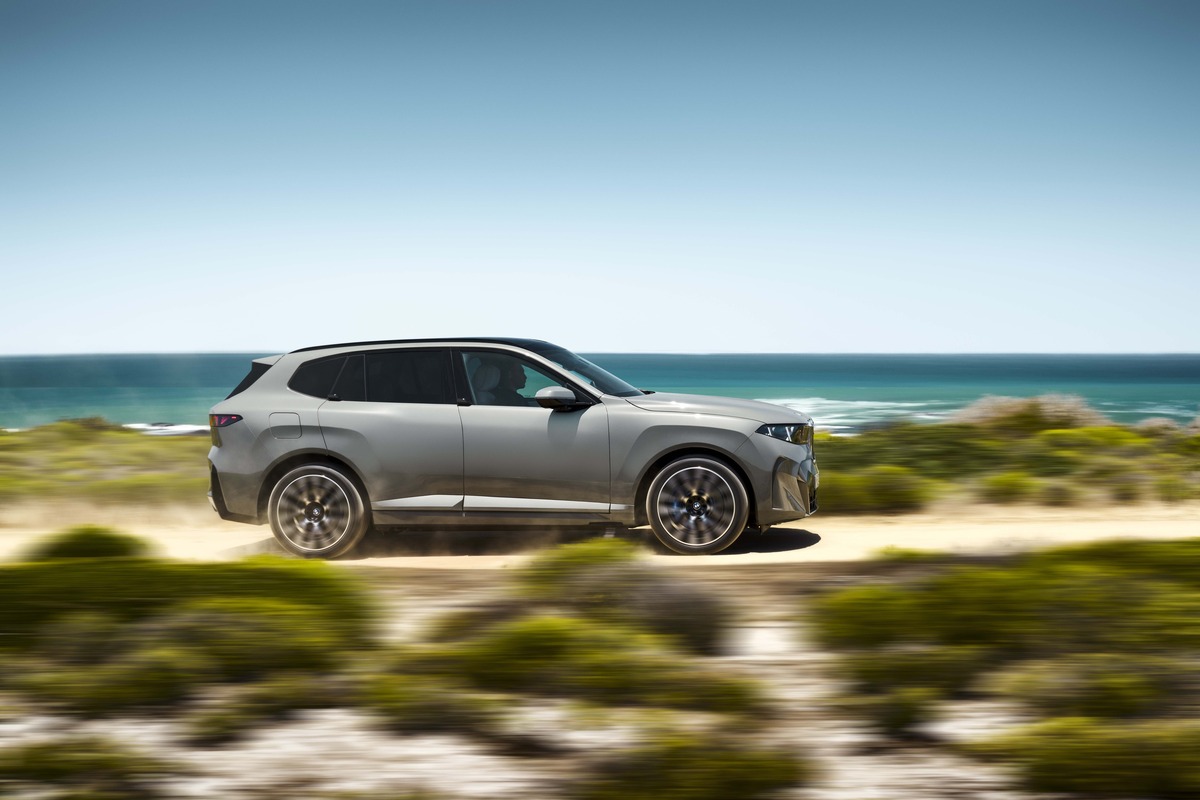
The new SUV was revealed this week with a diesel featuring mild-hybrid tech, two plug-in hybrids, a fully electric version, and, from 2028, the hydrogen modeldeveloped alongside Toyota. A petrol version exists as well, though it won’t be sold in the UK.
Book Test Drive BMW X5 powertrains: diesel, hybrid, electric and hydrogen explained
 Newspress: BMW X5
 This spread of options looks less like indecision and more like a deliberate strategy, and it says something about where buyers and the wider industry currently stand on the shift to electric.
#mc_embed_signup { background: #fff; clear: left; font: 14px Helvetica, Arial,sans-serif; width: 100%; max-width: 600px; margin: 20px 0; } #mc-embedded-subscribe-form { margin: 20px 0 !important; } .newsletter-form-flex { display: flex; gap: 0; align-items: center; margin-top: -10px; } .newsletter-form-flex input[type=”email”] { flex: 1; padding: 2px 10px; border: 1px solid rgb(18, 22, 23) !important; border-radius: 12px 0 0 12px !important; } .newsletter-form-flex input[type=”submit”] { padding: 4px 10px !important; margin: 0 !important; background-color: rgb(18, 22, 23) !important; color: rgb(255, 255, 255) !important; border: 1px solid rgb(18, 22, 23) !important; border-radius: 0 12px 12px 0 !important; } .newsletter-banner-content { margin-bottom: 15px; } .newsletter-banner-content h2 { margin: 0 0 10px 0; font-size: 18px; font-weight: 600; } .newsletter-banner-content p { margin: 0 0 10px 0; line-height: 1.5; } .newsletter-banner-content ul, .newsletter-banner-content ol { margin: 0 0 10px 20px; } .newsletter-banner-content a { color: #0073aa; text-decoration: none; } .newsletter-banner-content a:hover { text-decoration: underline; } .newsletter-banner-content img { max-width: 100%; height: auto; margin: 10px 0; } #mc_embed_signup #mce-success-response { color: #0356a5; display: none; margin: 0 0 10px; width: 100%; } #mc_embed_signup div#mce-responses { float: left; top: -1.4em; padding: 0; overflow: hidden; width: 100%; margin: 0; clear: both; }
A few years ago this approach would have looked strange. Car brands were racing to promise all-electric futures, some with firm deadlines attached to them. Jaguar said it would go electric-only. Volvo hinted at doing the same. The direction seemed settled, even if nobody had quite worked out the timing.
Things haven’t gone entirely to plan since. UK electric car sales have grown, but more slowly than many expected, particularly among buyers who can afford a premium SUV. Charging points remain patchy once you leave big cities, used EV prices have swung around considerably, and plenty of buyers still want to be able to fill up in five minutes at a motorway services rather than plan a journey around finding a working charger.
BMW’s response has been to stop guessing which future wins and sell all of them instead. It resembles an investment strategy more than a traditional product decision. If you don’t know which option will pay off, you hold a bit of everything.
Read more New BMW M3: why the next one arrives as both a 1,000bhp EV and a petrol straight-six Which model should buyers choose?
Most buyers at this price point tend to make practical choices rather than emotional ones. A fair number will pick the diesel X5, since BMW says it can return over 40mpg and can also run on a lower-carbon fuel called HVO, which matters if you cover long distances and would rather not think about charging stops. Others, company car drivers especially, will go for the plug-in hybrid or the fully electric iX5, which BMW claims can travel up to 525 miles on a single charge from a 140kWh battery.
Both groups are being sensible rather than ideological. The switch to electric cars looks considerably messier in practice than it does in the headlines, and BMW’s product planners appear to have worked that out before some governments did.
Book Test Drive BMW X5 hydrogen model: what we know so far
 Newspress: BMW X5 Interior
The most telling detail in all of this is the hydrogen version, arriving in 2028 and built with Toyota, a company that has spent twenty years arguing hydrogen still has a future when very few others agreed with them. Building a hydrogen SUV today doesn’t make obvious short-term sense. There’s barely any refuelling infrastructure across the UK or Europe, and producing clean hydrogen at scale remains an unsolved problem.
For BMW, though, it functions as cheap insurance. If hydrogen ever proves useful, even primarily for trucks or heavy vehicles rather than everyday cars, BMW keeps a foothold in the technology. That’s roughly what sensible risk management looks like when nobody can say for certain how things will play out, and it means BMW has built flexibility into the car itself rather than betting everything on one outcome for the next decade.
BMW X5 engine options, specs and UK price
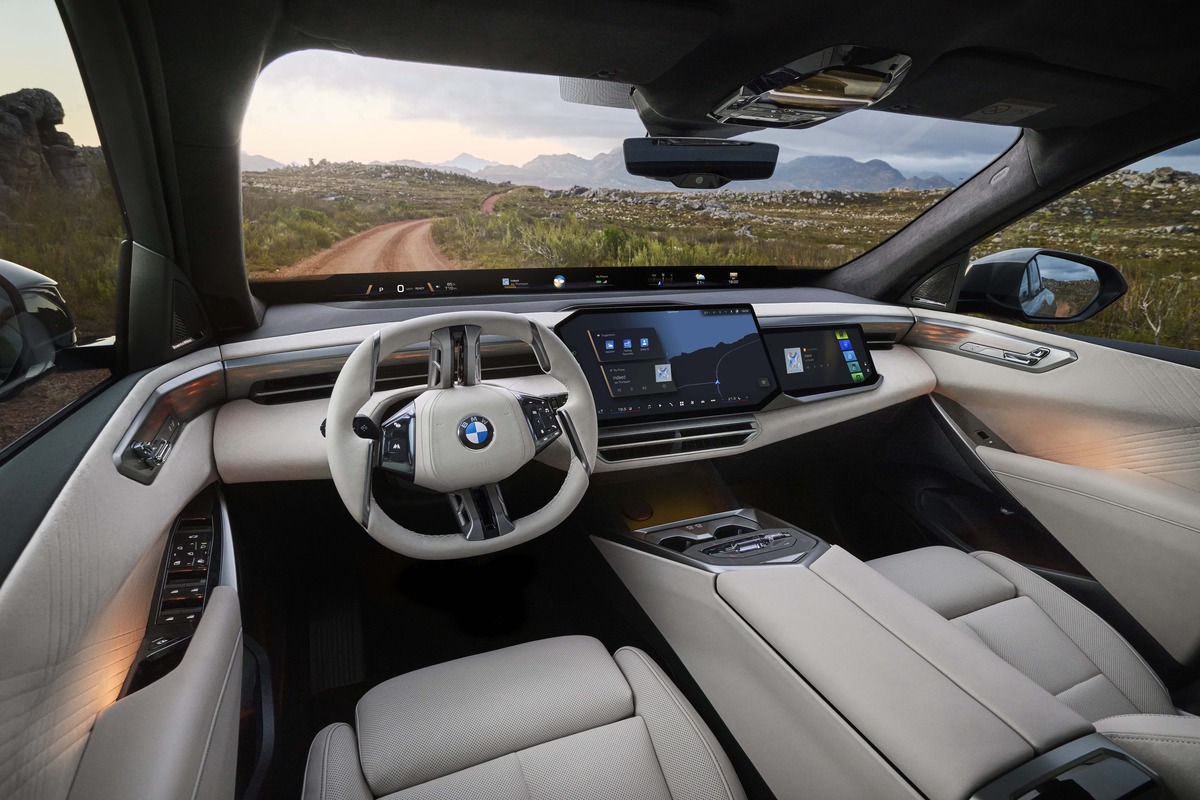
The new BMW X5 may not reinvent the luxury SUV, but its wide choice of powertrains makes it one of the most flexible premium SUVs on sale. Its updated styling, the Panoramic iDrive display and the 17.8-inch touchscreen are refinements rather than reinventions. UK prices are expected to start from around £80,000, with deliveries due to begin in early 2027, broadly in line with where you’d expect a car in this class to sit, though BMW hasn’t yet confirmed final UK pricing.
As a piece of business thinking, though, there’s something worth taking from it. BMW hasn’t bet the company on a single future. It’s letting buyers pick whichever future they already believe in and leaving the market to sort out the winner over time, rather than trying to call it now. Whether you choose the BMW X5 diesel, BMW X5 hybrid, BMW X5 electric or future BMW X5 hydrogen model will depend on how your driving habits evolve over the next decade.
Create your Regit account Read more The Executive Ledger: Is the company car consigned to history?
Similarly tagged content: Sections Categories People & Organisations Related Topics