
Nearly one million people are being dragged into higher tax bands as the government’s “stealth” freezes take effect, according to new analysis. Data crunched by the Taxpayers’ Alliance has shown that fiscal drag – where freezes on tax bands mean workers are forced to pay more into HMRC as wages
 Mauricio Alencar



Wednesday 22 July 2026 7:00 pm | Updated: Wednesday 22 July 2026 2:40 pm
Nearly one million people are being dragged into higher tax bands as the government’s “stealth” freezes take effect, according to new analysis.
Data crunched by the Taxpayers’ Alliance has shown that fiscal drag – where freezes on tax bands mean workers are forced to pay more into HMRC as wages grow – will impact 1m Brits this year.
The group’s analysis shows that around 500,000 more people will pay the basic rate of tax, which is 20 per cent for earnings between £12,571 and £50,270 this year.
Research also showed that 410,000 more people will fall under the higher rate of 40 per cent on income up to £125,140 and another 70,000 further Brits would be struck by the 45 per cent additional tax rate.
The anti-tax campaign group warned that the number of additional rate taxpayers has multiplied by five times. Those paying the additional rate of tax and higher rate make up 72.9 per cent of total income tax generated by the government.
#mc_embed_signup { background: #fff; clear: left; font: 14px Helvetica, Arial,sans-serif; width: 100%; max-width: 600px; margin: 20px 0; } #mc-embedded-subscribe-form { margin: 20px 0 !important; } .newsletter-form-flex { display: flex; gap: 0; align-items: center; margin-top: -10px; } .newsletter-form-flex input[type=”email”] { flex: 1; padding: 2px 10px; border: 1px solid rgb(18, 22, 23) !important; border-radius: 12px 0 0 12px !important; } .newsletter-form-flex input[type=”submit”] { padding: 4px 10px !important; margin: 0 !important; background-color: rgb(18, 22, 23) !important; color: rgb(255, 255, 255) !important; border: 1px solid rgb(18, 22, 23) !important; border-radius: 0 12px 12px 0 !important; } .newsletter-banner-content { margin-bottom: 15px; } .newsletter-banner-content h2 { margin: 0 0 10px 0; font-size: 18px; font-weight: 600; } .newsletter-banner-content p { margin: 0 0 10px 0; line-height: 1.5; } .newsletter-banner-content ul, .newsletter-banner-content ol { margin: 0 0 10px 20px; } .newsletter-banner-content a { color: #0073aa; text-decoration: none; } .newsletter-banner-content a:hover { text-decoration: underline; } .newsletter-banner-content img { max-width: 100%; height: auto; margin: 10px 0; } #mc_embed_signup #mce-success-response { color: #0356a5; display: none; margin: 0 0 10px; width: 100%; } #mc_embed_signup div#mce-responses { float: left; top: -1.4em; padding: 0; overflow: hidden; width: 100%; margin: 0; clear: both; }
On average, Brits will pay £640 more in income tax this year compared to in the financial year ending in 2025 and £1,040 more than they did in 2024.
London and the South East also make up more than a quarter of additional and higher rate taxpayers, compared to 14.4 per cent in the North East of England.
Read more IHT receipts hit record high as Rachel Reeves’ frozen bands raid plague Brits Stealth tax ‘looked at’ by Burnham
Fiscal drag, widely referred to as a stealth tax, is set to continue onto April 2031 after former Chancellor Rachel Reeves extended a freeze on personal tax thresholds in order to increase the size of her fiscal headroom and enable further welfare spending.
Prime Minister Andy Burnham has signalled that he will look to address the tax burden weighing on British workers. He has doubled down on a recent suggestion that he wanted to revise the £12,571 personal allowance band after facing a grilling on doorsteps during his by-election campaign in Makerfield.
His spokesman had insisted that there were no plans being drawn up for a tax cut this year though the new Prime Minister said on Wednesday morning that he would “look at that at the Budget”.
He told broadcasters that he preferred to answer questions about tax cuts “honestly without then people reading everything else into it”, though the poor state of public finances may mean that investors become alarmed by the potential for unfunded promises being made.
Burnham’s government has appeared to make pledges on the UK economy that would rack up to billions of pounds in costs. The independent economist Julian Jessop said tax hikes at the Budget this year were “pretty much guaranteed” as a result of a host of pledges on raising defence spending, cutting VAT on energy bills, tackling rough sleeping and offering higher pay to junior doctors.
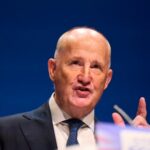
Sir Mel Stride, the shadow Chancellor, said Burnham was “rapidly heading towards” hiking taxes further, even after Reeves raised £65bn in government revenue over her two Budgets.
Stride said: “His announcements so far just don’t add up. He’s not taking the hard choices because Labour MPs won’t get on top of welfare spending. That means borrowing will increase and taxes will rise.”
Read more Wealthy Brits fear Burnham tax consequences
Similarly tagged content: Sections Categories People & Organisations