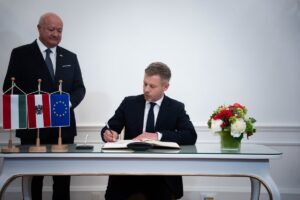
Officials say that, to appease the US, ‘burden-shifting’ rather than simply ‘burden-sharing’ will be one of the main themes in Ankara as the EU and others face pressure to ramp up their own production of defence and security equipment.
 Benjamin Fox



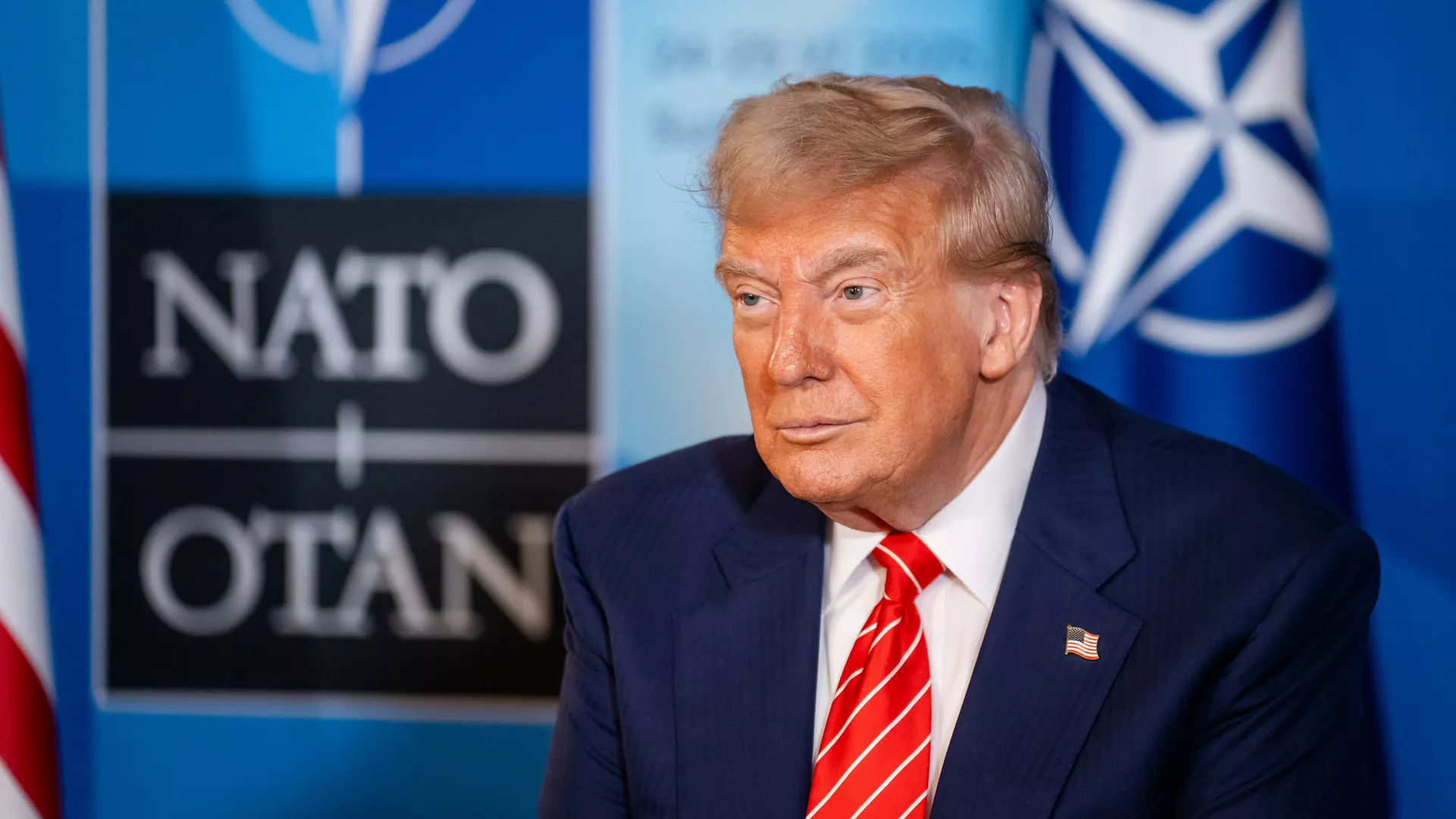
This time last year US president Donald Trump harangued the EU’s Nato members into promising a dramatic increase in defence-related spending.
But EU leaders hoping that this might have bought them Trump’s approval or, at least, a period of predictability, have been disappointed.
Having threatened to quit Nato because of European freeriding on the back of US defence spending, and then threatened fellow Nato member Denmark over its refusal to cede Greenland, Trump is now furious about the lack of support for his war against Iran.
“They were not there for us!!!” Trump wrote on his Truth Social account ahead of next week’s Nato summit in Ankara (7 and 8 July).
He added that Washington’s relationship with the alliance “is not reciprocal”, and that it was ridiculous” for the US to continue its “one-sided” relationship with Nato.
Nato allies will be anxious that developments in the Middle East do not derail its agenda of higher industrial production coupled with bigger defence budgets.
In The Hague last June, Nato chiefs agreed to raise core defence spending to 3.5 percent of GDP by 2035, in addition to allocating an extra 1.5 percent for security and defence-related investments, including cybersecurity and defence infrastructure.
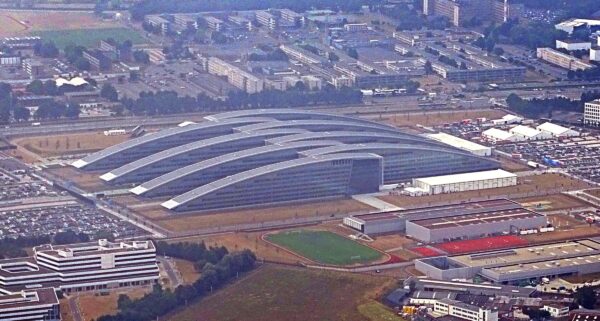
However, the Trump administration appears determined to significantly scale back its military presence in Europe, with US defence secretary Pete Hegseth last week announcing a six-month review.
Burden-shifting, not burden-sharing
Officials say that ‘burden-shifting’ rather than simply ‘burden-sharing’ will be one of the main themes in Ankara as the EU and others face pressure to ramp up their own production of defence and security equipment.
The EU, for its part, is trying to quickly and radically increase defence production and procurement across the bloc via its €800bn SAFE programme in a bid to reduce its reliance on US military kit.
Industrial production is likely to be the main priority for Nato secretary general Mark Rutte who has briefed that a series of lucrative arms deals will be signed on the sidelines of the summit.